
As our dogs age, it is natural to want to protect them from every possible risk. However, excessive isolation in ultra-sanitized environments can end up depriving a senior dog’s body of a vital factor: contact with natural micro-biodiversity. In the veterinary and pet wellness world, this contact with dirt, vegetation, and environmental microorganisms is affectionately nicknamed “Vitamin D” (Vitamin Dirt).
But how can you balance healthy exposure to natural microorganisms without exposing an older dog to real dangers? Below, we detail the pillars of microbiota, conscious hygiene, and the benefits of natural contact for your senior pet’s health.
1. The “Dust Cloud” and Strengthening the Microbiota
The concept that not all dust or dirt is harmful is increasingly backed by science. Scientific experiments demonstrate that controlled exposure to environmental dust from houses with dogs stimulates the presence of beneficial bacteria in the body, such as Lactobacillus johnsonii. This bacterium plays vital roles in strengthening the immune barrier, improving digestion, and modulating respiratory allergic responses. For senior dogs, whose immune system and gastrointestinal tract tend to become more sensitive with age, contact with natural environments rich in microbial diversity acts as a protective tonic for gut and skin flora.
2. Is Too Much Bathing Bad for Senior Dogs?
Bathing in itself is not a problem, but over-sanitizing your pet—without considering the individual needs of senior skin—can be harmful. Continuous use of hot water, harsh products, and frequent baths strips away the skin’s natural lipid layer and damages the skin barrier. Senior dogs’ skin tends to be naturally drier and thinner; therefore, unless there is a specific veterinary recommendation for therapeutic baths (in cases of infections or dermatitis), bathing frequency should be controlled to preserve natural protective oils.
3. The Danger of Antibacterial Shampoos on Healthy Skin
Another common mistake is the indiscriminate use of antiseptic or antibacterial shampoos and soaps. While these products are essential for targeted treatment of active bacterial infections, applying them to healthy skin destroys not only harmful bacteria, but also the “good” bacteria inhabiting the animal’s body. This drastic alteration in microbial composition leaves senior dogs unprotected and more vulnerable to opportunistic fungi and dermatitis. Routine hygienic baths should always be done with mild, neutral products.
4. Nature Does Not Cancel Genetics, But It Modulates Risk
It is important to emphasize that taking your dog out into nature and soil does not alter their genetic code or “cure” hereditary predispositions. A dog genetically predisposed to atopy or dermatitis will still carry that tendency. However, the natural environment has the power to significantly modulate whether the disease will manifest, when it will appear, and how severe it will be. Balanced exposure to biodiversity strengthens the organism to better manage these genetic triggers.
5. Biodiversity Is Not Contamination: Watch Out for Harmful Dirt
Offering “Vitamin D” does not mean letting your dog play in unsanitary places. There is a huge difference between the healthy biodiversity of clean park soil and urban contamination. Vacant lots, standing water, or areas with sewage can contain serious threats such as leptospirosis, parasites, harmful fungi, pesticides, synthetic fertilizers, broken glass, drug residues, and spoiled food. The goal is to seek clean parks and preserved natural grounds.
6. How to Safely Offer “Vitamin D” to Your Senior Dog
To ensure your senior dog enjoys the benefits of nature 100% safely, follow these practical recommendations:
- Allow sniffing and exploring: Smell is a dog’s primary sense. Let them explore at their own pace, which stimulates the mind and reduces stress.
- Choose clean parks and ground: Opt for well-maintained parks, woods, and grassy areas free from trash or standing water.
- Keep vaccinations and parasite control up to date: Immunization and individual protection against fleas, ticks, and worms are essential before any outing.
- Do not compulsively clean their paws: Avoid scrubbing their paws with harsh antiseptic products after a healthy walk; a simple wipe with a damp cloth or water is sufficient for healthy paws.
To dive deeper into this topic, check out this related article: https://logicalbark.com/what-is-the-best-dog-walking-leash-understand-why-walks-are-one-of-the-most-important-moments-of-your-dogs-day/c
7. Natural Environmental Enrichment for Cats
Although dogs are the most frequent park visitors, cats also benefit immensely from contact with nature—as long as this contact is managed safely and controlled, without free access to the street. Providing cat grass, natural wood logs, leaves, and various substrates on screened balconies or catios stimulates their brain and natural behavior without exposing them to risks like traffic, fights, or diseases such as FIV, FeLV, and sporotrichosis.
Here is a highly recommended option for pet parents:https://amzn.to/45tedwr
My Personal Experience: Goe’s Walks in Bosque de Portugal
In practice, I was able to experience all these benefits firsthand in my daily life with my dog Goe. When he was already a senior, I used to take him frequently to a cozy park called Bosque de Portugal. We took calm, steady walks together through the area.
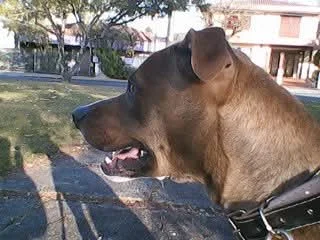
Constant contact with the clean soil of the woods, vegetation, and fresh air transformed his routine. These walks stimulated Goe’s mind, kept his joints gently active, and provided that daily dose of “Vitamin D” that kept his immune system and overall well-being high. This daily connection with nature was fundamental to ensuring a healthy, happy, and vibrant senior life for him.
You may also like

Lusiane Costa is a digital writer with degrees in Marketing and English Literature.
Creator of Latido Lógico and Logical Bark, she develops evidence-based content on canine aging, wellness, and senior-dog health.
The project was inspired by Goe — a senior dog whose longevity and resilience shaped a grounded, compassionate view on the challenges of aging in pets.
Each article reflects her commitment to transforming real experiences into accessible knowledge, helping owners understand, prevent, and care better for their animals at every stage of life.
Goe remains the heartbeat of this project.
[…] 👉 See also this complementary content on canine quality of life: https://logicalbark.com/what-is-vitamin-d-vitamin-dirt-for-senior-dogs-and-how-to-treat-your-senior-… […]
[…] 👉 If this topic piqued your interest, you might also like this article: https://logicalbark.com/what-is-vitamin-d-vitamin-dirt-for-senior-dogs-and-how-to-treat-your-senior-… […]
[…] 👉 If you wish to expand your knowledge on this subject, check out this complementary content: https://logicalbark.com/what-is-vitamin-d-vitamin-dirt-for-senior-dogs-and-how-to-treat-your-senior-… […]