augusto 7, 2026
When we welcome a puppy into our home, it is natural to focus on the present: first vaccines, basic training, and adjusting to the routine. However, understanding that canine aging begins in puppyhood is the first step toward ensuring a pet’s longevity. From the perspective of immunology and integrative medicine, an adult dog’s health is strictly shaped during the first months of life, in what is known as the window of opportunity.
During this vital phase, a puppy’s system must learn to differentiate real threats (such as viruses and pathogenic bacteria) from harmless elements (such as food proteins and environmental allergens). The master conductor of this learning process is the gut microbiota. When this ecosystem of intestinal microorganisms is properly colonized and strengthened, it directly helps prevent future chronic conditions, such as atopy, dermatitis, and the development of an allergic dog profile.
                        ┌──────────────────────────────────────────┐
                        │          WINDOW OF OPPORTUNITY           │
                        │         (Early Canine Puppyhood)         │
                        └────────────────────┬─────────────────────┘
                                             │
                                             ▼
                        ┌──────────────────────────────────────────┐
                        │         MICROBIOTA TRAINING              │
                        │    (Differentiates danger vs. harmless)  │
                        └────────────────────┬─────────────────────┘
                                             │
                      ┌──────────────────────┴──────────────────────┐
                      ▼                                             ▼
     ┌───────────────────────────────────┐       ┌───────────────────────────────────┐
     │        POSITIVE STIMULI           │       │       DISRUPTIVE FACTORS          │
     ├───────────────────────────────────┤       ├───────────────────────────────────┤
     │ • Natural birth & nursing         │       │ • Early antibiotic use            │
     │ • Diversified diet / Fresh food   │       │ • Ultra-processed/monotonous diet │
     │ • Contact with dirt, grass & pets │       │ • Ultra-sterile environments      │
     │ • Strategic supplementation       │       │ • Stress and early weaning        │
     └─────────────────┬─────────────────┘       └─────────────────┬─────────────────┘
                       │                                           │
                       ▼                                           ▼
     ┌───────────────────────────────────┐       ┌───────────────────────────────────┐
     │    RESILIENT ADULT MICROBIOTA     │       │   DYSBIOSIS & RISK OF ATOPY       │
     │ (Foundation for healthy longevity)│       │  (Need for continuous support)    │
     └───────────────────────────────────┘       └───────────────────────────────────┘
The Deep Microbiological Footprint: Why Puppyhood Shapes the Future
Science shows that the microbiological profile built during early puppyhood establishes a kind of “trademark” in the animal’s organism. This population structure of beneficial bacteria reaches a state of stability that stays with the dog throughout its adult life. Changes made to an adult animal’s gut patterns occur subtly and require continuous effort.
If a puppy grows up with a poor or depleted microbiota, management in adulthood becomes a constant challenge. The dog will likely display an unstable digestive pattern, requiring frequent interventions to maintain gut integrity. Three main factors act as destroyers of this healthy colonization during puppyhood:
- Indiscriminate Use of Antibiotics: Broad-spectrum medications administered during the development phase eliminate both pathogens and beneficial bacteria, devastating the architecture of the developing gut ecosystem.
- Extremely Restrictive or Monotonous Diets: A lack of nutritional variety limits the metabolic diversity of good bacteria, weakening the mucosa and the maturation of GALT (Gut-Associated Lymphoid Tissue).
- Excessively Aseptic Environments: An obsession with absolute hygiene prevents the puppy from coming into contact with harmless environmental microorganisms, depriving the immune system of the necessary stimuli to develop tolerance.
The Pillars of Healthy Colonization
To ensure a balanced gut microbiota and an aging process backed by a strong immune system, veterinary literature and integrative practices point to essential protective factors that should be encouraged from birth:
- Natural Birth and Nursing: Natural birth and colostrum intake provide the first and most powerful batch of beneficial bacteria and maternal antibodies.
- Contact with Nature: Controlled access to dirt, grass, and outdoor environments exposes the puppy to a rich microbial biodiversity essential for immunomodulation.
- Multi-Species Coexistence: Contact with other balanced animals expands the diversity of environmental microorganisms to which the dog is exposed.
- Diversified Diet and Probiotics: The gradual introduction of real food, combined with the strategic use of probiotics and prebiotics, nourishes gut flora and protects the gastric barrier.
Goe used probiotics under veterinary guidance. As a point of interest, here is an example of what was used: https://amzn.to/4hkEPXU
Important: Always consult your dog’s veterinarian before using any supplement!
The Practice in Our Family: Goe’s Early Puppyhood
When we look back at Goe’s story, we see these concepts applied in practice. Ever since he arrived as a puppy, building his health was treated as a preventive investment for his adult and senior years.
As soon as initial safety protocols allowed, Goe was encouraged to have direct contact with the soil and grass in the yard, exploring the scents and rich biodiversity of the natural environment. In addition to nature exposure, his development included the presence of Sofia, a cat who already lived in our home.
This daily multi-species interaction, combined with environmental stimulation and mindful nutrition, helped shape Goe’s immune resilience. The balanced gut ecosystem he developed during that early stage was reflected in stable digestion, healthy skin, and great energy throughout his growth.
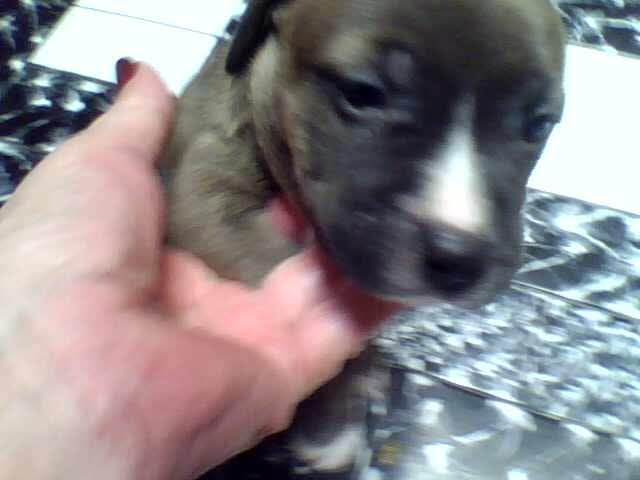
Goe in the palm of my mother’s hand. Canine aging begins in puppyhood.
Final Considerations
Recognizing that canine aging begins in puppyhood transforms the way we care for our animals from day one at home. True preventive medicine is established in the nest, in contact with the soil, and in the nutritional choices made during the window of opportunity. Offering diversity, contact with nature, and microbiological support in puppyhood is the guarantee of a resilient adult dog and a vital senior.
👉 See also this complementary content on canine quality of life: https://logicalbark.com/what-is-vitamin-d-vitamin-dirt-for-senior-dogs-and-how-to-treat-your-senior-dog/
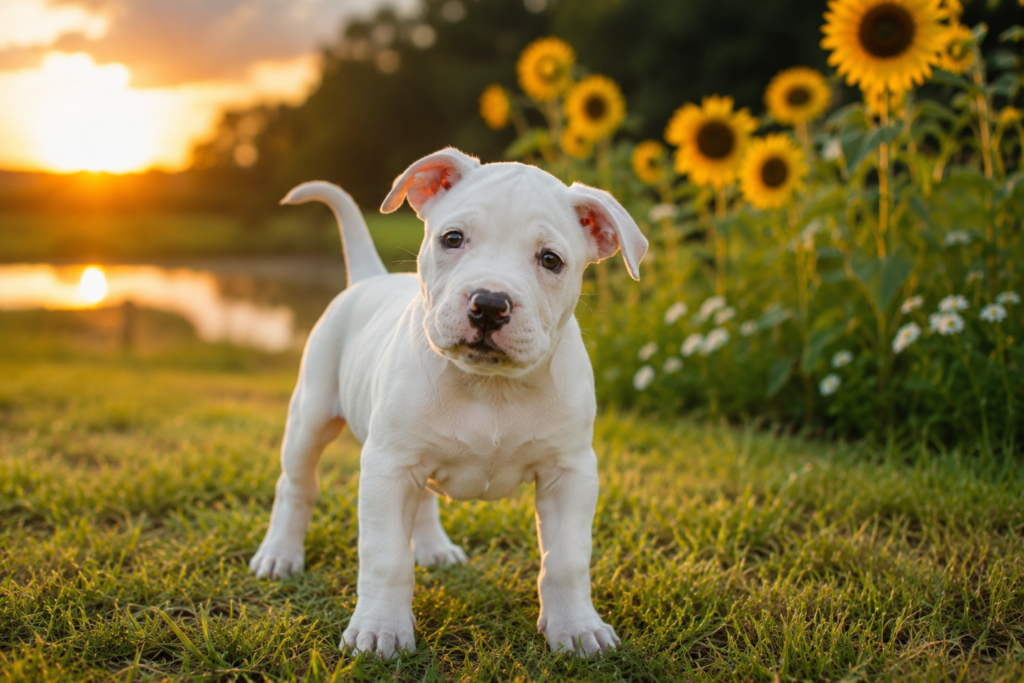
Canine aging begins in puppyhood
Legal Notice / Disclaimer:
This content is strictly educational, informative, and preventive, based on management literature and practical experience. Any changes to your puppy’s diet, immunization protocol, introduction of supplements, or sanitary management should be evaluated, recommended, and monitored by a trusted veterinarian. The information contained herein does not replace specialized professional consultation or diagnosis. is the first step toward ensuring a pet’s longevity. From the perspective of immunology and integrative medicine, an adult dog’s health is strictly shaped during the first months of life, in what is known as the window of opportunity.
During this vital phase, a puppy’s system must learn to differentiate real threats (such as viruses and pathogenic bacteria) from harmless elements (such as food proteins and environmental allergens). The master conductor of this learning process is the gut microbiota. When this ecosystem of intestinal microorganisms is properly colonized and strengthened, it directly helps prevent future chronic conditions, such as atopy, dermatitis, and the development of an allergic dog profile.
                        ┌──────────────────────────────────────────┐
                        │          WINDOW OF OPPORTUNITY           │
                        │         (Early Canine Puppyhood)         │
                        └────────────────────┬─────────────────────┘
                                             │
                                             ▼
                        ┌──────────────────────────────────────────┐
                        │         MICROBIOTA TRAINING              │
                        │    (Differentiates danger vs. harmless)  │
                        └────────────────────┬─────────────────────┘
                                             │
                      ┌──────────────────────┴──────────────────────┐
                      ▼                                             ▼
     ┌───────────────────────────────────┐       ┌───────────────────────────────────┐
     │        POSITIVE STIMULI           │       │       DISRUPTIVE FACTORS          │
     ├───────────────────────────────────┤       ├───────────────────────────────────┤
     │ • Natural birth & nursing         │       │ • Early antibiotic use            │
     │ • Diversified diet / Fresh food   │       │ • Ultra-processed/monotonous diet │
     │ • Contact with dirt, grass & pets │       │ • Ultra-sterile environments      │
     │ • Strategic supplementation       │       │ • Stress and early weaning        │
     └─────────────────┬─────────────────┘       └─────────────────┬─────────────────┘
                       │                                           │
                       ▼                                           ▼
     ┌───────────────────────────────────┐       ┌───────────────────────────────────┐
     │    RESILIENT ADULT MICROBIOTA     │       │   DYSBIOSIS & RISK OF ATOPY       │
     │ (Foundation for healthy longevity)│       │  (Need for continuous support)    │
     └───────────────────────────────────┘       └───────────────────────────────────┘
The Deep Microbiological Footprint: Why Puppyhood Shapes the Future
Science shows that the microbiological profile built during early puppyhood establishes a kind of “trademark” in the animal’s organism. This population structure of beneficial bacteria reaches a state of stability that stays with the dog throughout its adult life. Changes made to an adult animal’s gut patterns occur subtly and require continuous effort.
If a puppy grows up with a poor or depleted microbiota, management in adulthood becomes a constant challenge. The dog will likely display an unstable digestive pattern, requiring frequent interventions to maintain gut integrity. Three main factors act as destroyers of this healthy colonization during puppyhood:
- Indiscriminate Use of Antibiotics: Broad-spectrum medications administered during the development phase eliminate both pathogens and beneficial bacteria, devastating the architecture of the developing gut ecosystem.
- Extremely Restrictive or Monotonous Diets: A lack of nutritional variety limits the metabolic diversity of good bacteria, weakening the mucosa and the maturation of GALT (Gut-Associated Lymphoid Tissue).
- Excessively Aseptic Environments: An obsession with absolute hygiene prevents the puppy from coming into contact with harmless environmental microorganisms, depriving the immune system of the necessary stimuli to develop tolerance.
The Pillars of Healthy Colonization
To ensure a balanced gut microbiota and an aging process backed by a strong immune system, veterinary literature and integrative practices point to essential protective factors that should be encouraged from birth:
- Natural Birth and Nursing: Natural birth and colostrum intake provide the first and most powerful batch of beneficial bacteria and maternal antibodies.
- Contact with Nature: Controlled access to dirt, grass, and outdoor environments exposes the puppy to a rich microbial biodiversity essential for immunomodulation.
- Multi-Species Coexistence: Contact with other balanced animals expands the diversity of environmental microorganisms to which the dog is exposed.
- Diversified Diet and Probiotics: The gradual introduction of real food, combined with the strategic use of probiotics and prebiotics, nourishes gut flora and protects the gastric barrier.
Goe used probiotics under veterinary guidance. As a point of interest, here is an example of what was used: https://link.amazon/B02SYY2Ma
Important: Always consult your dog’s veterinarian before using any supplement!
The Practice in Our Family: Goe’s Early Puppyhood
When we look back at Goe’s story, we see these concepts applied in practice. Ever since he arrived as a puppy, building his health was treated as a preventive investment for his adult and senior years.
As soon as initial safety protocols allowed, Goe was encouraged to have direct contact with the soil and grass in the yard, exploring the scents and rich biodiversity of the natural environment. In addition to nature exposure, his development included the presence of Sofia, a cat who already lived in our home.
This daily multi-species interaction, combined with environmental stimulation and mindful nutrition, helped shape Goe’s immune resilience. The balanced gut ecosystem he developed during that early stage was reflected in stable digestion, healthy skin, and great energy throughout his growth.
Goe in the palm of my mother’s hand. Canine aging begins in puppyhood.
Final Considerations
Recognizing that canine aging begins in puppyhood transforms the way we care for our animals from day one at home. True preventive medicine is established in the nest, in contact with the soil, and in the nutritional choices made during the window of opportunity. Offering diversity, contact with nature, and microbiological support in puppyhood is the guarantee of a resilient adult dog and a vital senior.
👉 See also this complementary content on canine quality of life: https://latidologico.me/o-que-e-vitamina-s-para-caes-idosos-e-como-melhorar-a-vida-do-seu-cao-senior/
Canine aging begins in puppyhood
Legal Notice / Disclaimer:
This content is strictly educational, informative, and preventive, based on management literature and practical experience. Any changes to your puppy’s diet, immunization protocol, introduction of supplements, or sanitary management should be evaluated, recommended, and monitored by a trusted veterinarian. The information contained herein does not replace specialized professional consultation or diagnosis.
You may also like
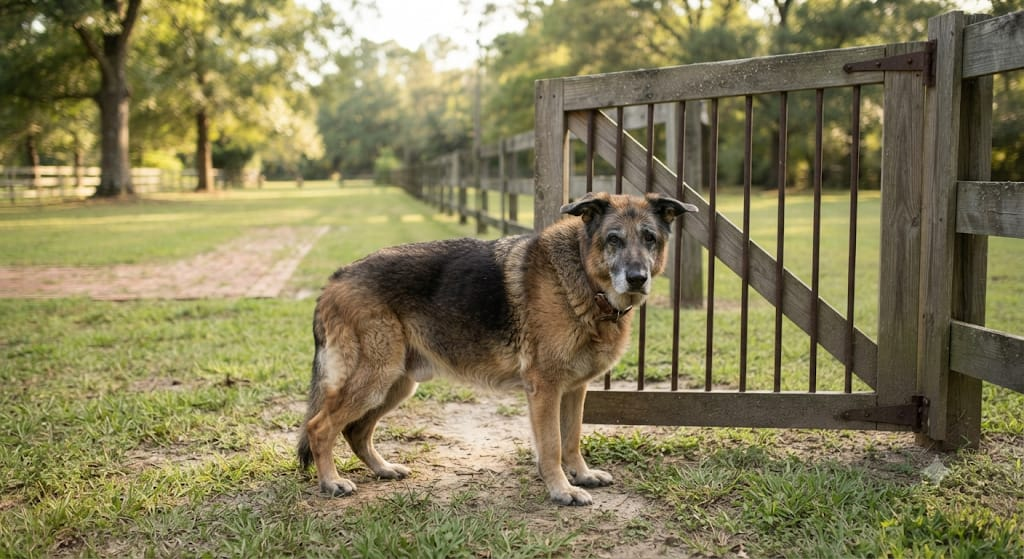

Lusiane Costa is a digital writer with degrees in Marketing and English Literature.
Creator of Latido Lógico and Logical Bark, she develops evidence-based content on canine aging, wellness, and senior-dog health.
The project was inspired by Goe — a senior dog whose longevity and resilience shaped a grounded, compassionate view on the challenges of aging in pets.
Each article reflects her commitment to transforming real experiences into accessible knowledge, helping owners understand, prevent, and care better for their animals at every stage of life.
Goe remains the heartbeat of this project.
[…] 👉 Learn more about this topic in the related article below: https://logicalbark.com/canine-aging-begins-in-puppyhood-the-window-of-opportunity-and-the-microbiot… […]