
June 2, 2026
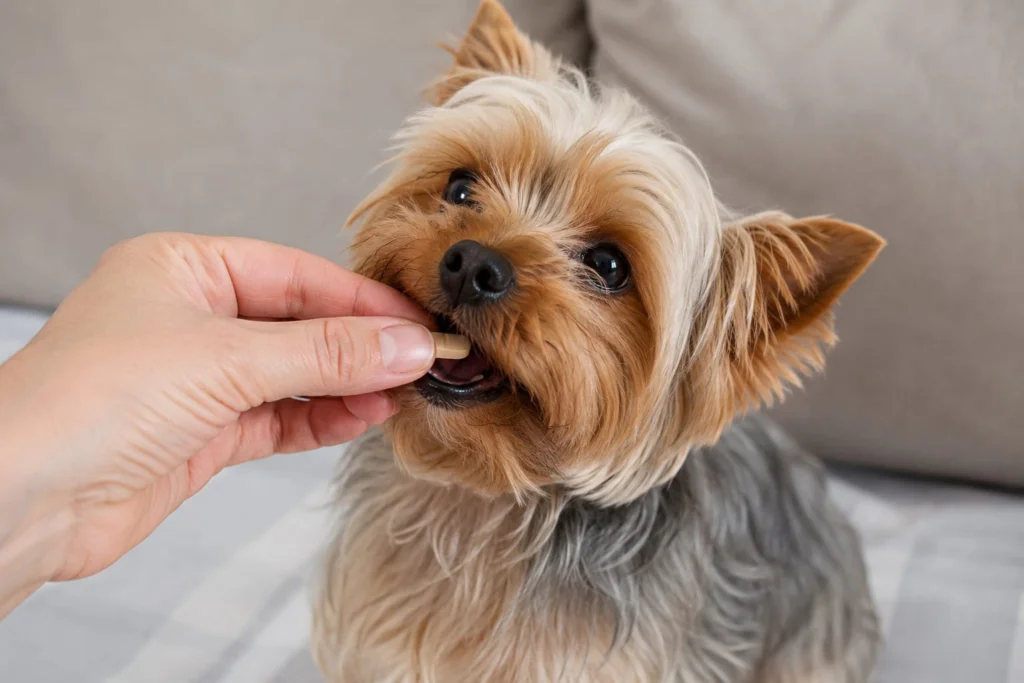
The 4 active ingredients for senior dogs have been increasingly used in care routines focused on mobility, joint comfort, and quality of life during aging.
The 4 active ingredients for senior dogs most commonly discussed today when it comes to mobility, joints, and healthy aging usually include Boswellia, turmeric, Omega-3 (EPA and DHA), and type II collagen. These ingredients have been used as complementary support in protocols focused on joint comfort, inflammation, cognition, and quality of life in senior dogs.
As dogs age, many begin to experience stiffness when getting up, reduced willingness to walk, difficulty climbing stairs, and gradual changes in mobility. In many cases, these signs end up being attributed only to age, when they may actually indicate joint wear and the need for closer monitoring.
Because of this, many pet owners begin researching supplements and complementary strategies that may help aging dogs live with more comfort and quality of life.
Why can senior dogs lose mobility?
Aging causes natural changes in the joints, muscles, and body support structures.
Over the years, dogs may develop:
- joint wear
- reduction in muscle mass
- chronic low-grade inflammation
- increased body stiffness
- discomfort while walking
- reduced physical stamina
- difficulty climbing stairs or getting up
These signs do not always appear intensely at first. Very often, they develop gradually and end up being normalized.
Today, some natural ingredients and specific supplements are widely used as complementary support to help mobility and comfort during aging.
1. Boswellia
Boswellia is mainly known for its potential natural anti-inflammatory support.
It commonly appears in protocols focused on mobility and joint comfort, especially in senior dogs with stiffness or difficulty walking.
Many veterinarians use this ingredient as a complementary strategy for dogs experiencing joint wear and age-related mobility decline.
2. Turmeric
Turmeric, especially through curcumin, is well known for its antioxidant and anti-inflammatory support.
It has been studied in contexts related to cellular aging, inflammation, and joint support.
In senior dogs, turmeric is often associated with complementary strategies focused on comfort, mobility, and quality of life.
3. Omega-3 (EPA and DHA)
Omega-3 is one of the most recognized supplements for senior dogs.
The fatty acids EPA and DHA are commonly associated with support for:
- joints
- cognition
- inflammation
- cardiovascular health
- skin and coat health
Many healthy aging protocols use EPA and DHA as complementary support for quality of life.
If you are curious to explore some supplements that many pet owners commonly use in senior dog care routines, it may be worth looking at some widely discussed options containing Omega-3 (EPA and DHA): https://amzn.to/4uKNKp7
4. Type II Collagen
Type II collagen is directly related to cartilage structure.
For this reason, it is commonly used in supplements focused on joint support and mobility.
In senior dogs, this ingredient frequently appears in protocols associated with locomotion comfort and joint preservation.
Do supplements replace veterinary monitoring?
No.
Even natural ingredients require veterinary evaluation, especially in senior dogs with pre-existing conditions or continuous medication use.
Each dog has individual needs, and supplementation should be adjusted according to weight, age, clinical history, and overall health condition.
Continue reading related content about your dog’s well-being: https://logicalbark.com/how-to-improve-dogs-joint-health-nutrition-supplements-and-what-really-makes-a-difference/
What else can help senior dogs?
In addition to supplementation, some adjustments can greatly support quality of life:
- weight control
- non-slip rugs
- moderate physical activity
- more comfortable beds
- safe environments
- regular veterinary follow-up
In many senior dogs, small routine changes can make a significant difference in daily comfort.
Conclusion
The 4 active ingredients for senior dogs most commonly used today in complementary joint support strategies include Boswellia, turmeric, Omega-3, and type II collagen.
Although they do not replace veterinary treatment, these ingredients may become part of protocols focused on mobility, comfort, and quality of life during aging.
The most important thing to remember is that every dog ages differently and deserves individualized monitoring throughout this stage of life.
Disclaimer
This content is intended exclusively for informational and educational purposes and does not replace professional veterinary evaluation. Any supplement, natural ingredient, or dietary change should be individually evaluated by a veterinarian, especially in senior dogs or dogs with pre-existing conditions.

Many senior dogs tend to rest better when they experience more joint comfort, less stiffness, and a care routine adapted to aging.
You may also like

Lusiane Costa is a digital writer with degrees in Marketing and English Literature.
Creator of Latido Lógico and Logical Bark, she develops evidence-based content on canine aging, wellness, and senior-dog health.
The project was inspired by Goe — a senior dog whose longevity and resilience shaped a grounded, compassionate view on the challenges of aging in pets.
Each article reflects her commitment to transforming real experiences into accessible knowledge, helping owners understand, prevent, and care better for their animals at every stage of life.
Goe remains the heartbeat of this project.
[…] To learn more about this topic, check out this related article: https://logicalbark.com/4-active-ingredients-for-senior-dogs-supplements-that-may-support-joints-mob… […]
[…] 👉 This content can help expand your understanding of the topic: https://logicalbark.com/4-active-ingredients-for-senior-dogs-supplements-that-may-support-joints-mob… […]