
July 22, 2026
One of the biggest mistakes I see pet owners make when searching for information online is using generic terms. When you simply type something broad like “senior dog care,” search engines return standardized answers that ignore the genetic traits, myoskeletal predispositions, and specific nutritional needs of each canine group. Learning how to research your senior dog’s breed-specific needs is the turning point between delivering effective preventive management or dealing with unpleasant surprises in your companion’s old age.
Recently, I came across a very illustrative image on social media about the mistake of “not researching your dog’s specific breed needs.” The post made it clear: every breed has unique characteristics regarding diet, exercise routine, and healthcare. Ignoring these specificities directly compromises your pet’s well-being and longevity. That is why I decided to structure this article to show you how to conduct this search intelligently, targeted, and focused on delivering the best quality of life for senior dogs.
Why Generic Searches Fail for Senior Dogs
When dogs enter their senior phase, their organisms undergo a natural metabolic slowdown. However, how aging manifests varies drastically depending on the breed and size of the animal. A small breed dog faces completely different anatomical wear and tear compared to the challenges faced by a large or giant breed dog.
Knowing exactly how to research your senior dog’s breed needs allows you to anticipate diagnoses and adopt preventive measures instead of merely reacting once pain or illness has already set in. Searching with long-tail keywords (longer, more specific search phrases on Google) helps you find technical articles, veterinary literature recommendations, and practical management reports that truly apply to your pet’s biological profile.
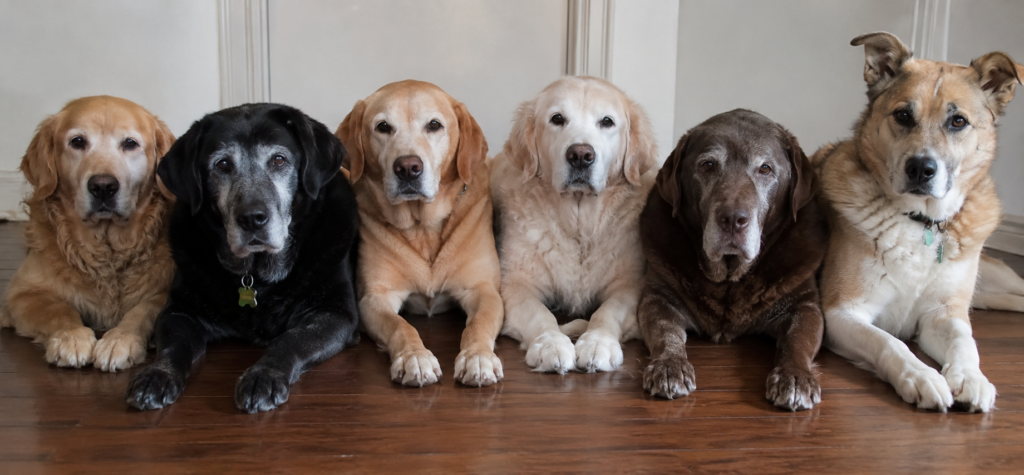
Understanding how to research your senior dog’s breed needs is the secret to transforming senior care into effective and happy longevity.
The Importance of Breed-Specific Diet and Routine
Nutrition and physical exercise cannot be treated identically for all senior dogs. Each breed group demands close attention to different areas of the body:
- Caloric and Metabolic Adjustment: Breeds prone to obesity require strict caloric and protein management to prevent joint overload, while breeds prone to severe loss of lean muscle mass (sarcopenia) require more nutrient-dense diets rich in highly absorbable amino acids.
- Targeted Supplementation: Dogs predisposed to joint problems benefit from early use of chondroprotectors (such as chondroitin, glucosamine, and type II collagen), while breeds prone to heart disease require reinforcement with taurine, L-carnitine, and omega-3.
- Adapted Physical Exercise: The impact level and length of walks must respect the breed’s skeletal structure. High-impact activities should be completely eliminated for breeds prone to dysplasia or intervertebral disc disease.
Practical Examples in Small Breeds
To illustrate the importance of narrowing down your search and demonstrating how to research your senior dog’s breed needs in practice, look at how old age affects small breeds in completely different ways:
- Pugs and French Bulldogs: Being brachycephalic dogs (short-muzzled), aging worsens respiratory stress. In their senior years, they require extra care regarding room temperature control, strict body weight management to avoid compromising the trachea, and foods designed for easier oral apprehension.
- Dachshunds: Due to their long spinal column and short legs, research should focus heavily on preventing Intervertebral Disc Disease (IVDD). Ramps around the house, a complete ban on jumping off furniture, and core muscle strengthening are vital during this phase.
- Toy Poodles and Yorkshire Terriers: They have exceptional longevity, but present a strong predisposition to tracheal collapse, rapid accumulation of dental calculus (tartar), and heart issues like mitral valve endocardiosis. Search efforts should focus on rigorous dental care and periodic cardiac checkups.
In the Case of My Senior Dog Goe: The Specifics of a Senior Pitbull
Applying this concept to my own reality with Goe, my senior dog—a Pitbull—the focus of my research and management is tailored specifically to his size and structural breed characteristics.
The Pitbull is a medium-to-large, extremely muscular dog with heavy bone density and a natural physical explosion that usually accompanies the dog throughout youth. By understanding how to research senior dog breed needs tailored to the Pitbull profile, I realized that extra attention must be paid to the following areas:
- Joint Preservation and Muscle Mass: Due to their large muscle mass and history of high activity, senior Pitbulls are strong candidates for developing severe osteoarthritis in elbows and hips. Research focuses on non-slip flooring, continuous joint supplementation, and preventive physical therapy.
- Skin Sensitivity and Allergies: Pitbulls are notoriously prone to atopic dermatitis and food allergies. In old age, as local immunity naturally declines, the skin barrier becomes even more fragile, requiring strict attention to natural feeding, therapeutic baths, and skin hydration.
- Oral Health and Bite Strength: Even in old age, Pitbulls maintain strong jaw muscles. Offering toys that are too soft can lead to accidental ingestion of pieces, while excessively hard bones can fracture teeth worn down by time. Choosing the right chew toys requires a perfect balance between flexibility and durability.
Want to know which joint supplements I use for Goe?
Since I get many questions about what helps with his mobility, here are the top-rated ones as a search example:
Note: Every dog has unique needs. This recommendation is only an example; always consult your veterinarian.
👉 This content can help expand your understanding of the topic: https://logicalbark.com/4-active-ingredients-for-senior-dogs-supplements-that-may-support-joints-mobility-and-quality-of-life/
Conclusion
By learning how to research your senior dog’s breed needs using specific, long-tail terms, you stop being a passive pet owner and become an active manager of your pet’s health. Respecting genetics, anatomy, and your dog’s history—whether a small Yorkshire or a strong Pitbull like my Goe—is the key to providing a comfortable, pain-free old age filled with well-being.
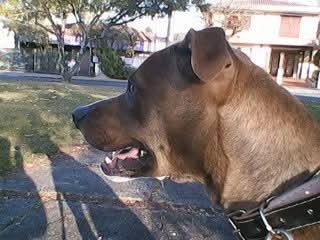
Goe in a special outdoor moment: each walk reflects the marks of his journey and shows why knowing how to research your senior dog’s breed needs ensures a vibrant old age.
You may also like


Lusiane Costa is a digital writer with degrees in Marketing and English Literature.
Creator of Latido Lógico and Logical Bark, she develops evidence-based content on canine aging, wellness, and senior-dog health.
The project was inspired by Goe — a senior dog whose longevity and resilience shaped a grounded, compassionate view on the challenges of aging in pets.
Each article reflects her commitment to transforming real experiences into accessible knowledge, helping owners understand, prevent, and care better for their animals at every stage of life.
Goe remains the heartbeat of this project.