
June 5, 2026
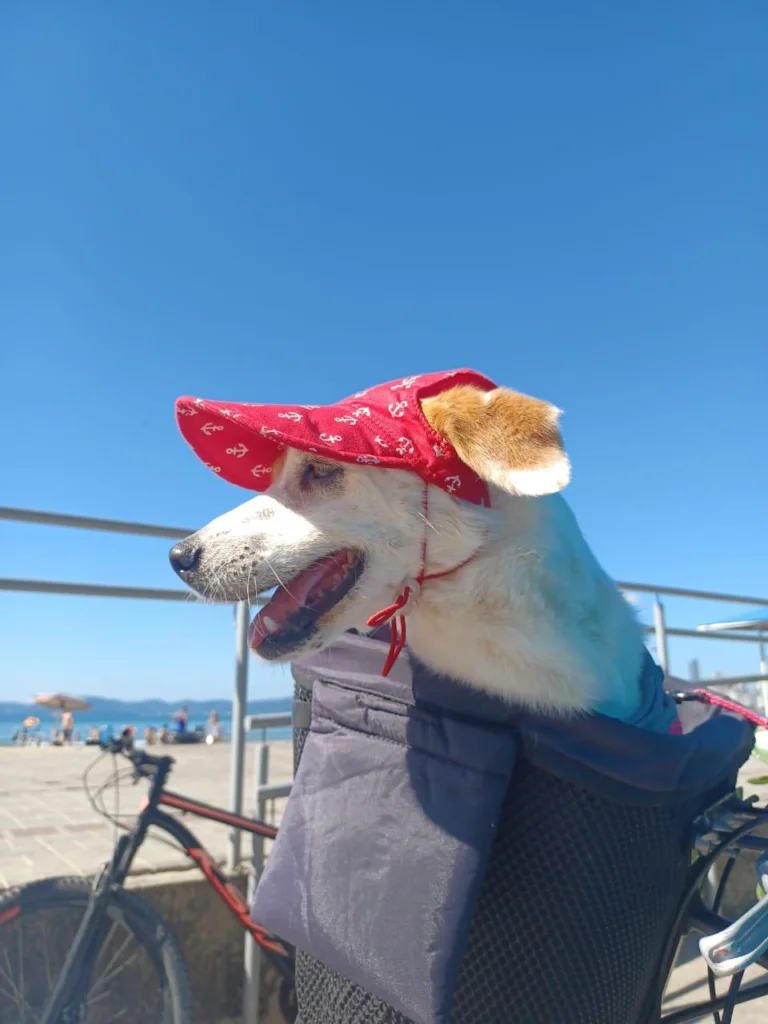
LOLI enjoying one of her favorite moments.
Dog walking leash: much more than simply walking — a true quality-of-life experience.
Dog walking leash is far more than just an accessory used for safe walks. It is part of an essential routine for a dog’s physical, mental, and emotional well-being. Daily walks represent movement, exploration, stimulation, socialization, and quality of life.
For many dogs, the walk is the highlight of the day. It is the moment they leave the routine of the house, experience new smells, observe people, hear different sounds, and explore the world intensely. Even dogs who live in homes with large yards still need walks, because a backyard cannot replace the sensory richness of streets, parks, trails, beaches, and pet-friendly spaces.
Why Are Walks So Important for Dogs?
Dogs experience the world mainly through smell. Every tree, wall, patch of grass, sidewalk, or corner of the park brings new information. For them, sniffing is not a waste of time — it is mental activity. It is almost as if the dog is reading the environment.
That is why walks help reduce anxiety, boredom, restlessness, and destructive behaviors. A dog who walks regularly tends to spend energy in a healthier way, sleep better, and experience greater overall well-being.
Walks also strengthen the bond between the tutor and the dog. Walking together creates routine, trust, and predictability. For the animal, that moment communicates care, companionship, and participation in family life.
LOLI’s Experience With Walks
LOLI loves going on walks. Even with all the specific care involved in her routine, the necessary adaptations, and the constant attention to her well-being, walks have always become one of the absolute highlights of her day.
For LOLI, going out for a walk is not just exercise. It means feeling the breeze, observing movement, exploring smells, staying close to her family, and experiencing moments of stimulation and joy. On many days, the walk becomes the most anticipated part of her routine.
This shows something very important: even dogs who require more care, preparation, or attention can deeply benefit from walks, as long as everything is done safely and respectfully according to their individual needs and limitations.
What Is the Best Dog Walking Leash?
The best dog walking leash depends on the dog’s size, age, behavior, and the environment where the walk takes place.
| Leash Type | Best For |
|---|---|
| Traditional fixed leash | Urban walks, sidewalks, and busy places |
| Retractable leash | Large parks and safer areas with less foot traffic |
| Harness with leash | Small, senior dogs or dogs with neck sensitivity |
| No-pull harness | Dogs who pull a lot during walks |
| Double leash | Tutors walking two dogs at the same time |
In busy places, fixed leashes usually provide more control. In quieter parks, a longer leash may allow more freedom for exploration. The most important thing is that the dog remains safe, comfortable, and supervised at all times.
If you are curious about seeing some highly rated models recommended by tutors, just to complement the information in this post, see an example below: https://amzn.to/4o8ACI2
Best Time to Walk Your Dog
The best times to walk dogs are early in the morning, late afternoon, or evening, when temperatures are milder. Excessive heat can cause discomfort, exhaustion, and even burns on the paws due to hot pavement.
Before heading out, it is a good idea to place your hand on the ground for a few seconds. If it feels too hot for your hand, it is also too hot for your dog’s paws.
On very sunny days, it is important to bring water, take breaks, and avoid long walks. Short-nosed breeds such as pugs, French bulldogs, and shih-tzus require even more attention, since they may experience breathing difficulties in high temperatures.
Sun Protection: Light Clothing, Hats, and Extra Care
During walks under strong sunlight, beach outings, or trips, some extra protection may help. Lightweight UV-protection clothing, dog hats, and cooler schedules can make walks safer.
This is especially important for dogs with sensitive skin, light-colored fur, advanced age, or specific conditions that require extra care. Protection should always be comfortable, never tight, restrictive, or excessively warm.
The goal is not simply to dress the dog unnecessarily, but to protect them when the environment requires additional care. LOLI wearing a hat, for example, can be both adorable and a beautiful reminder that walks can combine affection, protection, and well-being.
Walks in Parks and Green Areas
Parks are wonderful places for dogs because they provide natural smells, grass, shade, movement, and open spaces to walk. In Curitiba, places such as Barigui Park and Tingui Park are often popular among tutors who enjoy walking with their dogs in green environments.
In parks, it is ideal to keep the dog on a leash, respect other animals, clean up after your pet, and observe their behavior carefully. Not every dog enjoys direct interactions, so socialization should always happen respectfully and gradually.
Pet-Friendly Beaches
Beaches can be amazing experiences for dogs, but they require planning. Before bringing your dog, it is important to verify whether pets are allowed, what times are permitted, and whether there are specific rules.
At the beach, it is essential to bring fresh water, avoid intense sunlight, prevent the dog from drinking seawater, and protect the paws from hot sand. It is also recommended to provide breaks in the shade and clean the dog properly after the walk to remove salt and sand from the skin.
For dogs who love water, the beach can become an unforgettable experience — always with supervision, proper leash use, and respect for the dog’s limits.
Light Trails and Nature Walks
Light trails can be excellent for active dogs, as long as the route is safe. Tutors should evaluate distance, temperature, presence of other animals, terrain conditions, and water availability.
Senior dogs, small dogs, or dogs with joint limitations should take shorter routes with more breaks. The goal is never to force performance, but to provide a healthy, enriching, and enjoyable experience.
Bicycle Rides With Dogs
Some tutors enjoy bringing their dogs along on bike rides. This can be an interesting activity, but it requires great caution. Not every dog should run alongside a bicycle, especially senior dogs, small breeds, brachycephalic breeds, or dogs with joint issues.
For small or senior dogs, safer alternatives may include baskets, pet strollers, or proper backpacks designed for pets, always ensuring ventilation, comfort, and safety.
Bike rides should never happen during intense heat or at high speeds. Dogs should never be pulled, dragged, or forced to keep up with the human pace.
What Should You Bring on a Walk?
- a safe leash;
- a comfortable harness;
- fresh water;
- waste bags;
- ID tags on the collar;
- treats, if needed;
- light clothing or a hat on sunny days;
- a towel for beach or trail outings.
Senior Dogs Also Need Walks
Senior dogs should not be excluded from walks. They simply need adaptation. Short walks, a slower pace, frequent breaks, and quiet locations can greatly improve quality of life.
Walks stimulate mobility, circulation, cognition, and emotional well-being. Even if the dog walks only a little, experiencing new smells and leaving the routine behind can still be extremely meaningful.
Continue reading with other content related to your dog’s well-being: https://logicalbark.com/separation-anxiety-in-dogs-causes-and-effective-strategies/
Conclusion
Choosing a good dog walking leash is important, but understanding the value of the walk itself is even more essential. Walking is not luxury or a minor detail — it is daily care.
Dogs need to explore, sniff, walk, observe, and participate in the world around them. Walks improve the body, stimulate the mind, and strengthen the relationship with the tutor.
Whether in the park, at the beach, on a trail, around the neighborhood, or in a pet-friendly space, the most important thing is that the walk is safe, respectful, and adapted to the dog.
Because for many dogs, that simple moment when the leash appears already announces the best part of the day.
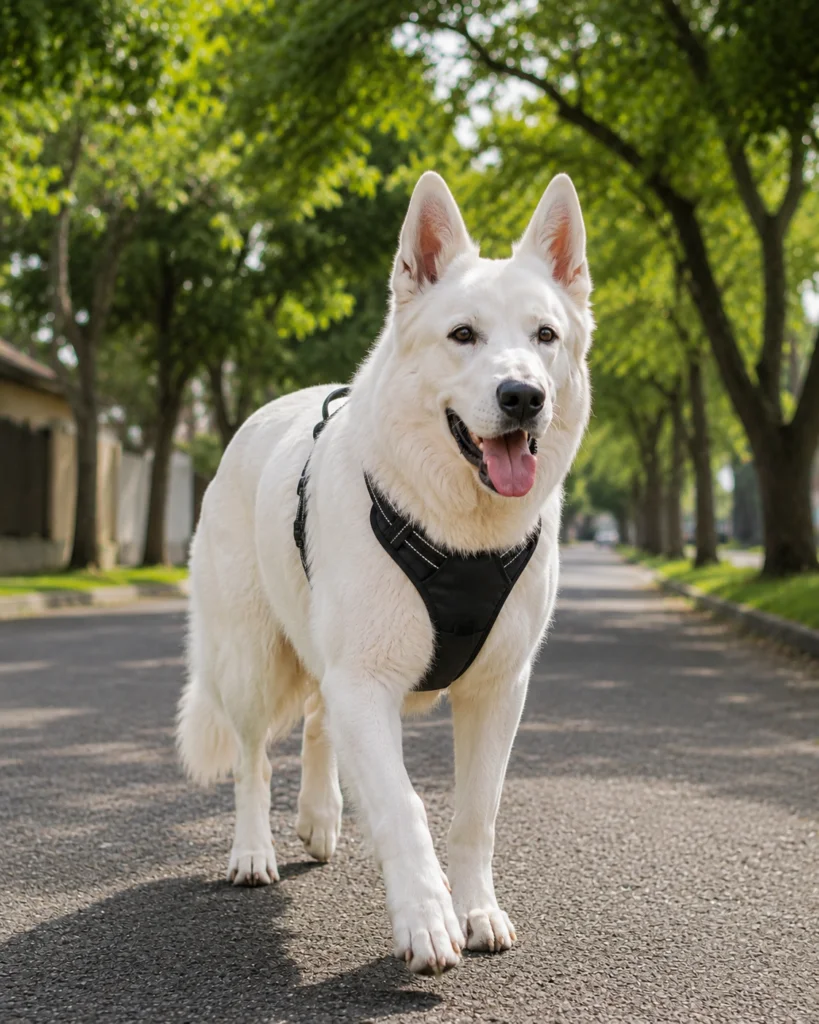
Some of the happiest moments in a dog’s life fit into a simple walk.
You may also like


Lusiane Costa is a digital writer with degrees in Marketing and English Literature.
Creator of Latido Lógico and Logical Bark, she develops evidence-based content on canine aging, wellness, and senior-dog health.
The project was inspired by Goe — a senior dog whose longevity and resilience shaped a grounded, compassionate view on the challenges of aging in pets.
Each article reflects her commitment to transforming real experiences into accessible knowledge, helping owners understand, prevent, and care better for their animals at every stage of life.
Goe remains the heartbeat of this project.
[…] 👉 To learn about other aspects related to canine aging, visit the article below: https://logicalbark.com/what-is-the-best-dog-walking-leash-understand-why-walks-are-one-of-the-most-… […]