April 20, 2026
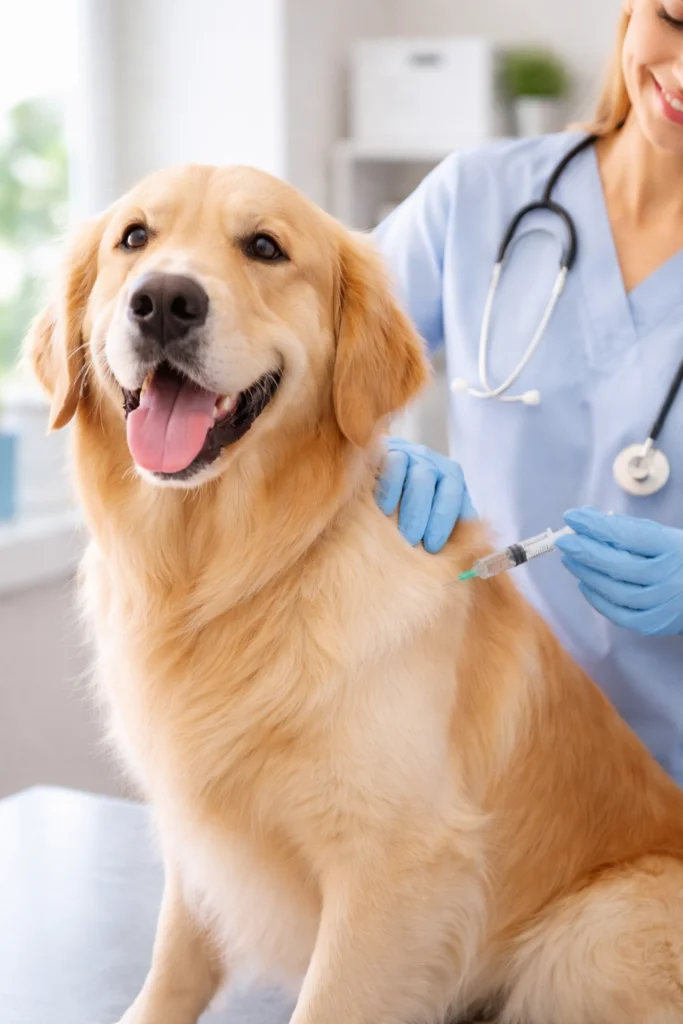
Required vaccines for dogs: a simple form of care that offers lasting protection.
Many pet owners search for what vaccines are required for dogs because they want to protect their dog from serious diseases and avoid mistakes in the vaccination schedule. This is one of the most important questions in preventive veterinary care. Proper vaccination reduces risks, strengthens collective protection, and helps dogs live more safely.
If you also want to understand what vaccines are required for dogs, this practical and complete guide will explain the main vaccines, when they should be given, how many doses are usually needed, and what can happen when vaccination is neglected.
What Vaccines Are Required for Dogs Early in Life?
When discussing what vaccines are required for puppies, the protocol usually begins with the canine combination vaccine, commonly known as V8 or V10, followed by the rabies vaccine at the time recommended by the veterinarian.
The early stage of life requires special attention because the immune system is still developing. For this reason, respecting the correct dates and intervals between doses is essential.
Canine Combination Vaccine (V8 or V10)
The combination vaccine is considered the foundation of preventive veterinary medicine. Depending on the formulation, it helps protect against important infectious diseases. Many people asking what vaccines are required for dogs are advised to begin with V8 or V10.
Rabies Vaccine
The rabies vaccine is essential both for dogs and for public health. In many places, it is the best-known answer when people ask what vaccines are required for dogs.
How Many Doses Does a Dog Need?
The number of doses depends on the age at which the vaccination schedule begins, previous vaccination history, and clinical evaluation. In puppies, a series of combination vaccine doses is common.
| Stage | Common Protocol |
|---|---|
| 6 to 8 weeks | 1st combination dose |
| 3 to 4 weeks later | 2nd dose |
| 3 to 4 weeks later | 3rd dose |
| After the minimum recommended age | Rabies vaccine |
After that, periodic boosters are usually required. That is why, when researching what vaccines are required for dogs, it is important to understand that vaccination is not a one-time event for life.
What Happens If a Dog Is Not Vaccinated?
Ignoring what vaccines are required for dogs may increase a dog’s vulnerability to preventable diseases. Some illnesses can become severe and lead to suffering, hospitalization, and high treatment costs.
Vaccination does not eliminate every possible risk, but it significantly reduces the chances of several serious infectious diseases.
What Should You Do If an Adult Dog Has Never Been Vaccinated?
If the dog is already an adult and has never been vaccinated, it is still possible to create an appropriate vaccination plan. The veterinarian will evaluate age, general condition, environment, exposure, and clinical history.
Many people think that only puppies need vaccines, but unprotected adult dogs also require attention. In this context, the question what vaccines are required for dogs remains highly relevant.
Do Senior Dogs Need Vaccines?
Senior dogs also need preventive evaluation. The protocol may not be identical to that of a puppy, because advanced age, chronic conditions, and medications may require individualized adjustments.
Rather than generalizing, the best approach is responsible clinical evaluation.
See related content →
Five Signs of Aging in Dogs That Many Owners Do Not Notice
Can a Dog with Epilepsy Receive Vaccines?
This is a common question. In many cases, yes — but the protocol should be personalized. Seizure frequency, clinical stability, medications in use, and the dog’s current condition must all be considered.
When a neurological condition is present, professional decision-making becomes even more important.
See related content here if it feels relevant →https://logicalbark.com/5-signs-of-aging-in-dogs-that-many-owners-do-not-notice/
Practical Experience Observed in Veterinary Care
Through veterinary care routines observed with GOE over the years, it became clear that prevention is not simply about giving vaccines on random dates. Proper care involves clinical evaluation, the dog’s context, life stage, comfort, and responsible professional guidance.
During more delicate periods, decisions involving food, supplementation, and management were integrated into veterinary follow-up. This reinforces a central point: every dog must be seen as an individual.
What Vaccines Are Required for Dogs Besides V10?
In addition to V8/V10 and rabies, some dogs may receive additional vaccines depending on lifestyle and exposure risk. Vaccination protocols vary by region and by each dog’s reality.
That is why, when someone asks what vaccines are required for dogs, the correct answer includes preventive basics plus veterinary individualization.
How to Avoid Mistakes in the Vaccination Schedule
* keep the vaccination card updated
* follow booster dates carefully
* do not delay vaccines without professional guidance
* consult a veterinarian if the dog is ill
* review the vaccination protocol annually
Final Summary: What Vaccines Are Required for Dogs?
In general, the main answers to what vaccines are required for dogs include:
* canine combination vaccine (V8 or V10)
* rabies vaccine
* periodic boosters
* adjustments according to age and health condition
Vaccination is one of the smartest ways to protect your dog. The cost of prevention is often lower than the emotional and clinical burden of treating preventable diseases.
Disclaimer: This content is for informational purposes only and does not replace veterinary consultation. The ideal vaccination protocol depends on individual veterinary evaluation.

Prevention also expands futures.
You may also like


Lusiane Costa is a digital writer with degrees in Marketing and English Literature.
Creator of Latido Lógico and Logical Bark, she develops evidence-based content on canine aging, wellness, and senior-dog health.
The project was inspired by Goe — a senior dog whose longevity and resilience shaped a grounded, compassionate view on the challenges of aging in pets.
Each article reflects her commitment to transforming real experiences into accessible knowledge, helping owners understand, prevent, and care better for their animals at every stage of life.
Goe remains the heartbeat of this project.
[…] 👉 Learn more in the related article: https://logicalbark.com/what-vaccines-are-required-for-dogs-a-complete-guide-to-protect-your-dog/ […]