
June 22, 2026

Protect your pet: dog cough in winter is contagious and there is a vaccine!
As the colder seasons approach, human health care tends to increase. We take out heavier coats, sanitize blankets, and increase vitamin intake to avoid flu and colds. However, a very common mistake among pet owners is believing that pets are completely immune to climate changes and sudden temperature drops. The truth is that our four-legged companions also suffer greatly from weather variations, and dog cough in winter is one of the most frequent and concerning complaints in veterinary clinics across the country during this time of year.
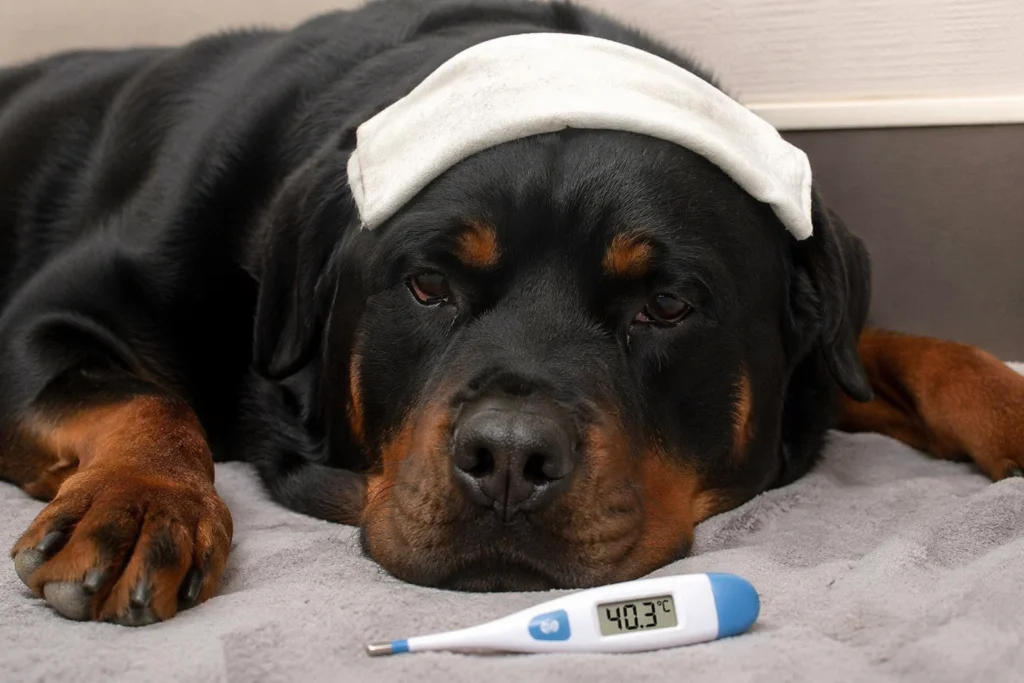
If you start noticing your dog producing a dry, repetitive sound that often resembles chronic gagging—like something sharp or bulky is stuck in the throat—it is essential to raise an alert. Cold weather, combined with low humidity, creates the perfect environment for the suspension and spread of pathogenic microorganisms that attack the upper respiratory system of dogs. To help you protect your best friend, we have prepared this complete guide explaining everything you need to know about dog cough in winter, its main causes, how to identify symptoms, and the best prevention methods.
What Causes Dog Cough in Winter? Understanding Kennel Cough (Bordetellosis)
The main cause behind the exponential increase in coughing dogs during cold months is Canine Infectious Tracheobronchitis (CIT), commonly known as “Kennel Cough” or simply Bordetellosis. This is a complex, dynamic, and highly contagious respiratory disease that affects dogs of all ages, breeds, and sizes.
This condition is not caused by a single agent, but rather by a dangerous combination of viruses and bacteria. Among the most common viruses are Canine Parainfluenza Virus and Canine Adenovirus Type 2. The main bacterial agent involved is Bordetella bronchiseptica. In winter, dogs’ airways suffer from drying of the mucosal lining due to cold air. This drying temporarily paralyzes the tiny protective cilia of the respiratory system, which normally help clear impurities. With this natural barrier weakened, viruses and bacteria can easily attach and multiply in the trachea and bronchi.
How Do Dogs Get Infected? The Danger of Crowding
Transmission of Bordetellosis occurs directly and very quickly, similar to the human flu virus. It spreads through contact with saliva droplets or respiratory secretions expelled by an infected dog through coughing or sneezing. These microscopic particles can remain suspended in the air or settle on shared surfaces.
During winter, people tend to keep environments closed to block cold winds, reducing fresh air circulation. If your dog visits places with high pet concentration such as daycare centers, dog hotels, grooming salons, or parks, the risk of exposure increases significantly. A single asymptomatic or incubating dog can transmit the infection to many others within minutes of interaction.
Clear Symptoms That Your Dog Is Sick
Recognizing early clinical signs is essential to prevent worsening of the condition. The most characteristic symptom is a dry, harsh, and persistent cough. Many owners believe their dog is choking, as the body movements during coughing mimic an attempt to expel a foreign object.
Other symptoms may include:
- Foamy discharge: After intense coughing, the dog may expel a whitish or transparent foam-like mucus.
- Sneezing and runny nose: Nasal discharge may start clear and become thicker over time.
- Eye symptoms: Red, watery eyes or discharge similar to conjunctivitis.
- Lethargy: Reduced interest in play and more time resting.
- Loss of appetite: Throat inflammation makes swallowing painful, reducing food intake.
Severity of the Disease: Risk of Progression to Pneumonia
Although many cases are mild and self-limiting, neglect can lead to severe complications. In vulnerable dogs, the disease may progress to pneumonia, requiring urgent medical intervention, hospitalization, oxygen therapy, and intravenous antibiotics.
High-risk groups include puppies, elderly dogs, and brachycephalic breeds such as Pugs, French and English Bulldogs, Shih Tzus, and Boxers, which have naturally compromised respiratory systems.
Diagnosis and Treatment Options
Diagnosis is mainly clinical, based on recent exposure history and symptoms. Veterinarians may perform a tracheal reflex test, gently pressing the neck area to trigger coughing.
Treatment may include:
- Antibiotics: To combat Bordetella bronchiseptica and secondary infections.
- Anti-inflammatory drugs and cough suppressants: To reduce inflammation and discomfort.
- Nebulization: Helps humidify airways and loosen mucus.
- Immune support: Vitamins and supplements to strengthen recovery.
Effective Prevention: Vaccination as Protection
Prevention is always the best choice. Vaccination is the most effective tool against Bordetellosis and associated viruses. Vaccines may be injectable, oral, or intranasal.
Intranasal vaccines stimulate local immunity quickly at the respiratory entry points. Booster doses are recommended annually, ideally in autumn before colder temperatures arrive.
Daily Care During Cold Weather
- Protection from drafts: Keep sleeping areas warm and sheltered from cold wind.
- Appropriate clothing: Coats help short-haired, young, and senior dogs stay warm.
- Walking schedule: Avoid early mornings and late nights when temperatures are lower.
- Nutrition and hydration: Provide balanced food and fresh water regularly.
Some owners also use dog clothing during winter to increase comfort. Example: https://amzn.to/4vrVuNp
Conclusion: Prevention Saves Lives
Dog cough in winter should not be seen as a simple cold or harmless condition. It is a real medical issue that can cause severe discomfort and even become life-threatening if untreated.
Responsible care includes vaccination, hygiene, proper shelter, and avoiding exposure to extreme cold.
👉 Learn more in the related article: https://logicalbark.com/what-vaccines-are-required-for-dogs-a-complete-guide-to-protect-your-dog/
DISCLAIMER: This article is for informational purposes only and does not replace veterinary evaluation.

On colder days, a comfortable resting environment is one of the key factors that improve health and well-being in senior dogs.
You may also like

Lusiane Costa is a digital writer with degrees in Marketing and English Literature.
Creator of Latido Lógico and Logical Bark, she develops evidence-based content on canine aging, wellness, and senior-dog health.
The project was inspired by Goe — a senior dog whose longevity and resilience shaped a grounded, compassionate view on the challenges of aging in pets.
Each article reflects her commitment to transforming real experiences into accessible knowledge, helping owners understand, prevent, and care better for their animals at every stage of life.
Goe remains the heartbeat of this project.
[…] See also this related article: https://logicalbark.com/dog-cough-in-winter-complete-guide-to-causes-symptoms-and-prevention/ […]