August 25, 2026
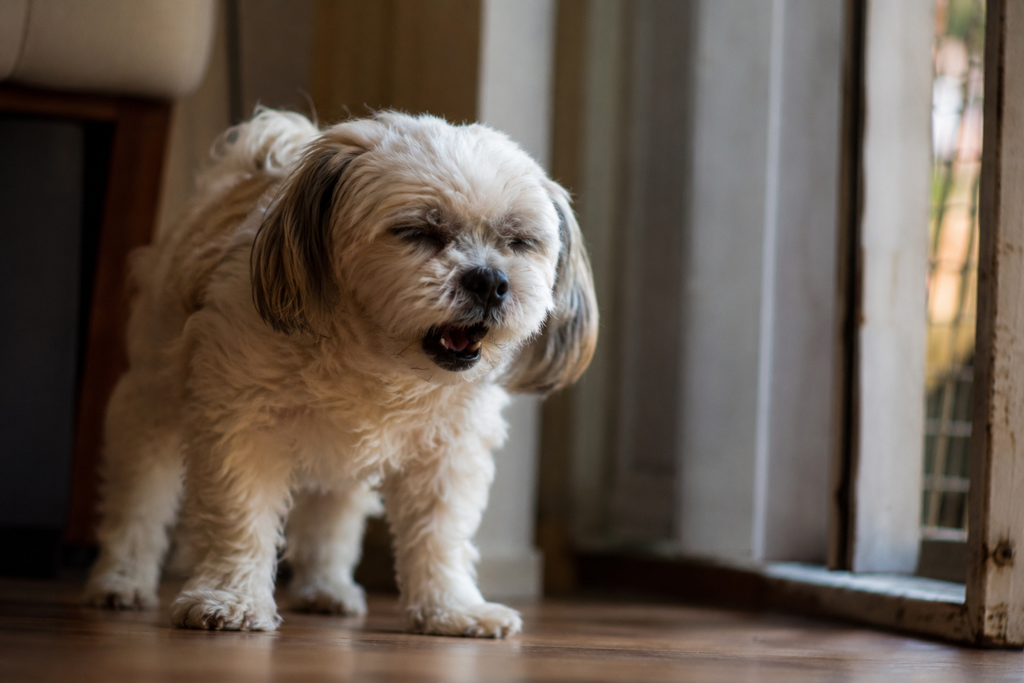
Canine cough in senior dogs is one of the most critical and complex topics in modern geriatric veterinary medicine. When an animal reaches the advanced stage of life, any change in respiratory pattern is no longer a mere passing inconvenience and begins to require rigorous clinical investigation. Unlike young dogs, which frequently manifest mild, self-limiting coughs associated with superficial upper airway infections, the senior patient presents an organism subjected to the natural wear and tear of multiple organic systems. Understanding the true nature of this symptom is the first step to safeguarding the pet’s well-being and longevity, avoiding negligence that could mask progressive and severe diseases.
In daily clinical practice, canine cough in senior dogs acts as a warning signal emitted by the body. The respiratory system and the cardiovascular system work in close harmony, so structural dysfunctions in one inevitably impact the other. Ignoring recurrent episodes or attributing them solely to natural aging is a dangerous mistake that delays the diagnosis of serious pathologies. The attentive owner must view the cough not as the disease itself, but as the messenger of profound physiological alterations that demand the immediate intervention of a qualified professional to ensure a favorable prognosis and preserve the animal’s quality of life.
What It Can Be: Main Causes and What It Represents
When we deeply investigate what canine cough in senior dogs means, we encounter a wide range of conditions that afflict the canine third age. Among the most common and relevant etiologies in specialized veterinary clinics, the following conditions stand out:
- Congestive Heart Failure (CHF): With advancing age, the heart valves—especially the mitral valve—undergo progressive degenerative processes, causing an increase in heart volume. This volumetric increase exerts direct mechanical pressure on the main bronchi, generating a dry, persistent cough that typically intensifies during rest periods or at night.
- Tracheal Collapse: A very frequent degenerative condition in small-breed senior dogs, in which the tracheal cartilaginous rings lose their natural structural rigidity, flattening during air passage and causing a chronic and characteristic cough, frequently compared to a honking sound.
- Chronic Bronchitis: Characterized by a prolonged and persistent inflammation of the lower airways, stimulating mucus hypersecretion. The dog coughs repeatedly to try to clear the respiratory tract, also presenting easy fatigue and intolerance to light physical activities.
- Secondary Infections and Respiratory Complex: Viral and bacterial agents that make up the infectious respiratory picture find a propitious terrain in the weakened immune system of the senior dog to evolve into severe bronchopneumonia.
- Environmental Irritants and Presence of Foreign Bodies: Chronic inhalation of pollutants, cigarette smoke, household dust, and microparticles, in addition to the accidental aspiration of foreign bodies, triggers intense reflex crises of coughing and defensive sneezing.
- Advanced Dental and Periodontal Affections: Severe periodontal diseases in the maxilla can generate deep infectious foci capable of extending to the nasal cavities and sinuses, stimulating sneezing and related secretions.
What to Do and How to Properly Solve the Problem
Conduct in the face of persistent episodes of canine cough in senior dogs requires technical rigor, categorically ruling out any attempt at self-medication or empirical home treatments. The biggest mistake made by owners is resorting to human syrups, inappropriate herbal products, or leftovers of old medications in an attempt to stop the symptom. The irresponsible use of drugs without a veterinary prescription can mask serious heart conditions, depress the animal’s central nervous system, or aggravate irreversible lung lesions.
To resolve the condition in a safe, ethical, and scientifically grounded manner, the correct procedure involves the following fundamental steps:
- Immediate Veterinary Evaluation: Taking the animal to a qualified professional for high-precision complementary exams, such as thoracic radiographs, an echocardiogram to evaluate cardiac function, and complete laboratory tests.
- Treatment Focused on the Root Cause: Therapeutic conduct should never aim only at the mechanical suppression of the cough, but rather at controlling the underlying primary disease, whether it be a heart condition, chronic bronchitis, or tracheal collapse.
- Rigorous Environmental Management: Eliminating from the pet’s routine any exposure to cigarette smoke, excessive dust, cleaning products with strong odors, and sudden thermal variations, ensuring a clean and ventilated environment.
- Continuous Clinical Monitoring: Closely monitoring the animal’s respiratory rate at rest and strictly following the pharmacological and management guidelines prescribed by the responsible veterinarian.
Some pet owners opt for environmental management by using a paw cleaner for dogs, which contributes to a cleaner environment free from dirt and dust. Complementing the post, here is an example: https://amzn.to/4it1wcI
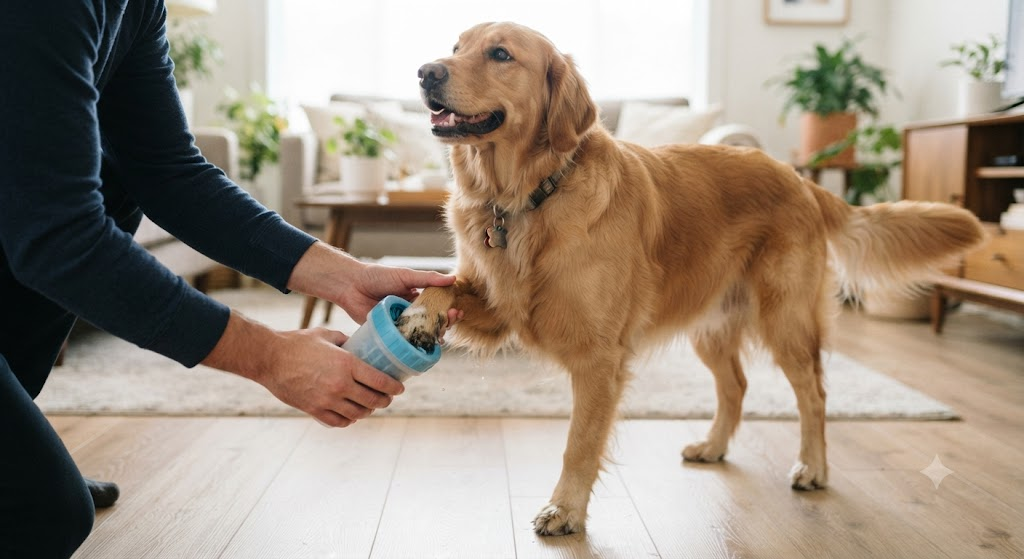
The use of a paw sanitizer after walks is an excellent alternative to remove street dust, dirt, and allergens before the dog walks around the house. This prevents microparticles from remaining suspended in the air or accumulating on carpets, helping to keep the environment cleaner and free of agents that could worsen canine cough in senior dogs.
Goe’s Experience: Clinical Reality
To concretely illustrate how canine cough in senior dogs manifests in daily life and how proper management makes all the difference, we can analyze Goe’s clinical history. Even dealing with the challenges inherent to advanced age and dynamic coexistence between internal and external environments—which naturally exposed him to thermal variations and everyday allergens—Goe presented only punctual, light, and limited episodes of intermittent coughing and sneezing, without ever developing a disabling chronic condition.
Unlike destructive pathological scenarios, Goe’s lung parenchyma remained structurally preserved and functional over the years, without severe compromise of lung tissues. This favorable and stable outcome, even in the face of multiple health challenges associated with seniority, was achieved strictly because the adopted management avoided any hasty home intervention, prioritizing attentive clinical monitoring, respect for the animal’s limits, and specialized veterinary guidance from the earliest signs.
See also this related article: https://logicalbark.com/dog-cough-in-winter-complete-guide-to-causes-symptoms-and-prevention/
Clinical and Animal Health Disclaimer
This content is exclusively informative and educational, not replacing under any circumstances the consultation, diagnosis, and prescription performed by a duly qualified veterinarian. In the face of any respiratory change, persistent cough, apathy, or difficulty breathing in your pet, seek immediate professional attention. The use of medications without veterinary guidance represents a severe risk to the animal’s life.
You may also like

Lusiane Costa is a digital writer with degrees in Marketing and English Literature.
Creator of Latido Lógico and Logical Bark, she develops evidence-based content on canine aging, wellness, and senior-dog health.
The project was inspired by Goe — a senior dog whose longevity and resilience shaped a grounded, compassionate view on the challenges of aging in pets.
Each article reflects her commitment to transforming real experiences into accessible knowledge, helping owners understand, prevent, and care better for their animals at every stage of life.
Goe remains the heartbeat of this project.