When we think about our dogs’ health, we usually pay attention to their eyes, ears, weight, and coat. However, there is an extremely important body part that often gets noticed only superficially in our daily routine: their paws. Understanding what a dog’s paw pads (coxins) indicate about their health is essential to ensuring the well-being, mobility, and quality of life of your four-legged companion.
The coxins — popularly known as “paw pads” or “plantar pads” — act like the soles of a dog’s shoes. They are complex anatomical structures made up of fatty tissue, connective tissue, and a thick layer of pigmented, durable skin. In addition to protecting bones and joints against mechanical shock, they play vital roles in balance, thermal insulation, and the animal’s sensory perception.
Natural Functions and the Cushioning Power of Paw Pads
To understand changes in the paws, we first need to recognize the importance of these structures’ natural functions. Paw pads are true systems of high natural engineering. The primary role of the pads is shock absorption. With every step, jump, or run, the pads absorb the force exerted against the ground, reducing the strain on the dog’s joints, tendons, and spine.
Furthermore, the natural wear and tear from daily walking creates resistance that protects the animal against rough surfaces. Another vital function is thermal insulation: the inner fat layer helps protect internal tissues from both cold and hot ground. Paw pads also contain sweat glands, which help regulate body temperature and release territorial scents, as well as nerve receptors that inform the brain about the type of surface the dog is walking on.
When the health of these pads is compromised, cushioning is drastically reduced, which can lead to changes in gait, compensatory joint pain, and severe discomfort while walking.
What the Appearance of Paw Pads Reveals About Dog Health
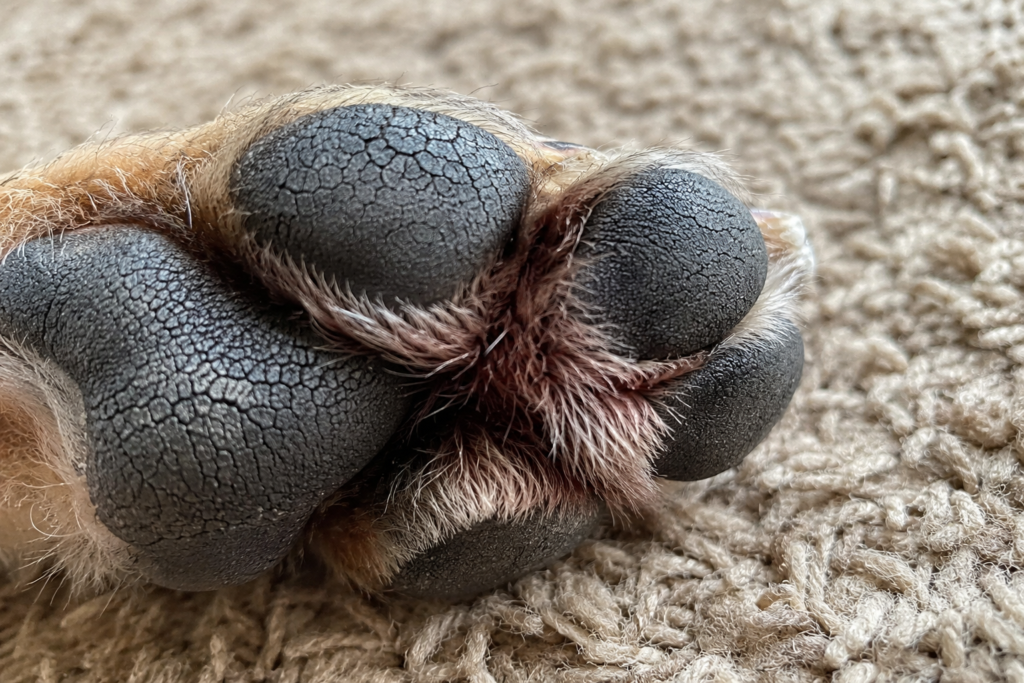
Frequently observing the state of your dog’s paws is an excellent form of prevention. Knowing how to assess what a dog’s paw pads (coxins) indicate about their health can help identify problems early. Here is what each aspect may signal:
1. Healthy Paw Pads
A healthy paw pad is firm to the touch, yet flexible and slightly soft under pressure. The skin should be intact, without fissures, cuts, peeling, or bleeding. In young dogs that rarely walk on rough surfaces, the texture tends to be smoother; in adult or active dogs, it is normal for the surface to be slightly rough due to constant friction, but never injured or painful.
2. Cracks and Dryness
Excessive dryness and the presence of cracks on the pads are very common complaints. This can be caused by walking on surfaces that are too hot or too cold, contact with household cleaning chemicals, or a lack of proper hydration. In some cases, severe dryness may indicate nutritional deficiencies (such as a lack of zinc or essential fatty acids) or dermatological and autoimmune conditions, such as hyperkeratosis — when the body produces excess keratin, leaving the paw hard and brittle.
3. Redness and Swelling
Checking for redness between the toes or on the pad itself usually indicates inflammatory or infectious processes. The most frequent causes include food or environmental allergies (atopic dermatitis), fungal (such as Malassezia) or bacterial infections, insect bites, or burns caused by hot asphalt. Localized swelling can also be a sign of a foreign object embedded in the area, such as thorns, dry grass, or glass fragments.
Signs That Your Dog Has a Paw Pad Problem
A dog won’t always whine to show pain in their paws. Many times, the changes are behavioral. Keep an eye out for the following warning signs:
- Constantly licking or chewing paws: This is the most classic sign of pain, itching, burns, or irritation on the pads.
- Licking paws after a walk: May indicate the ground was too hot or there was contact with irritating products.
- Limping or intermittent limping: The dog avoids placing weight on the affected paw.
- Reluctance to walk or run: The pet freezes during walks or refuses to get up and play.
- Difficulty gripping smooth floors: Severely dried or injured pads lose their natural traction.
- Sensitivity to touch: The dog pulls their paw away or reacts defensively when you try to examine the area.
- Strong odor or color change in paw fur: Constant saliva can stain surrounding fur, and excessive moisture encourages fungal growth with a distinct smell.
What to Do When a Dog Cuts Their Paw Pad?
Cuts and accidents on paw pads are relatively common, as dogs walk on varied terrain where sharp stones, broken glass, nails, or cans may be present. Because the pad is a highly vascularized area under constant pressure with every step, injuries here tend to bleed significantly and take longer to heal.
If your dog has cut their paw pad, follow these first aid steps calmly and safely:
- Stay calm and protect yourself: Dogs in pain may try to bite out of reflex. If necessary, ask someone else to gently hold them.
- Wash the area immediately: Use clean running water and mild soap to remove dirt, soil, or debris around the wound. Do not scrub hard.
- Stop the bleeding: Press the area gently with a clean gauze or dry cloth for a few minutes. If bleeding is heavy, maintain continuous pressure.
- Assess cut depth:
- Superficial cuts: If it’s just a light scratch with no active bleeding, keep the area clean and dry, avoiding dirty surfaces until healed.
- Deep cuts or persistent bleeding: Require immediate veterinary care. Stitches (sutures) or special dressings may be needed to close the wound.
- Do not apply human ointments or home remedies: Using inappropriate products can cause toxicity (since the dog will lick it) or delay healing.
- Protect the wound: Using an Elizabethan collar (cone) or a protective sock is essential to stop the pet from licking the area and reopening the wound.
History and Care in Our Routine with Goe
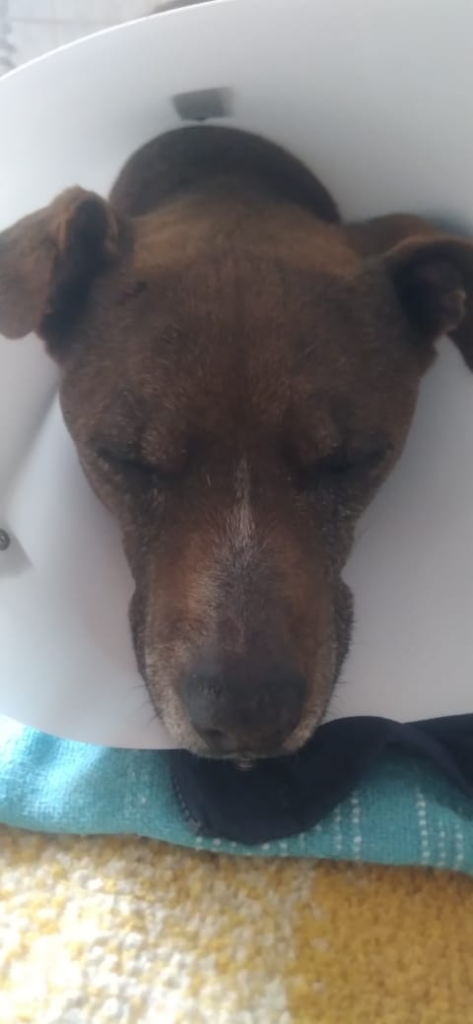
Around here, we’ve experienced this situation firsthand. At one point, Goe developed quite severe dryness on his paws, with cracks that caused noticeable discomfort. The irritation was so intense that he started compulsively licking his paws to try and get relief, which only worsened the skin inflammation.
At the time, to break that cycle and prevent further injury, we had to temporarily resort to using an Elizabethan collar. With our veterinarian’s guidance and monitoring, we started the appropriate treatment to hydrate and restore the skin barrier of his paw pads. Gradually, the skin regenerated, the discomfort vanished, and his paws returned completely to normal. This experience showed us, in practice, how much prompt attention and daily care make all the difference for our dogs’ well-being.

🐾 Daily paw care tip:
Some pet parents highly rate using dog-specific balms and moisturizers, which help create a protective barrier against dryness and floor heat. As a supplement to the article, here is an example: https://amzn.to/4xKPrnS
Preventive Care to Keep Paws Protected
The best way to care for your senior dog’s paws is through prevention and daily routine. Incorporating small habits ensures that natural cushioning and protection continue working without pain or complications.
Always test asphalt temperature with the palm of your hand for 7 seconds before walking: if it’s too hot for you, it’s too hot for your dog. Avoid walks during peak sun hours. Additionally, keep paws dry after walks on rainy days, and use vet-approved moisturizers if you notice early signs of dryness.
Learning what a dog’s paw pads (coxins) indicate about their health is one of the most efficient and affectionate ways to show daily care. By regularly inspecting your friend’s paws, you ensure they continue running, jumping, and exploring the world by your side in total comfort and safety!
👉 To learn about other aspects related to canine aging, check out the article below: https://logicalbark.com/itchy-paws-in-senior-dogs-how-to-ensure-comfort-and-quality-of-life-in-their-golden/
⚠️ IMPORTANT DISCLAIMER
This content is purely educational and informational. Observing your dog’s paw pads does not replace a veterinary consultation or prescribed diagnosis. If you notice deep wounds, bleeding, severe swelling, intense pain, or persistent changes in your pet’s pads, seek immediate veterinary care.
You may also like
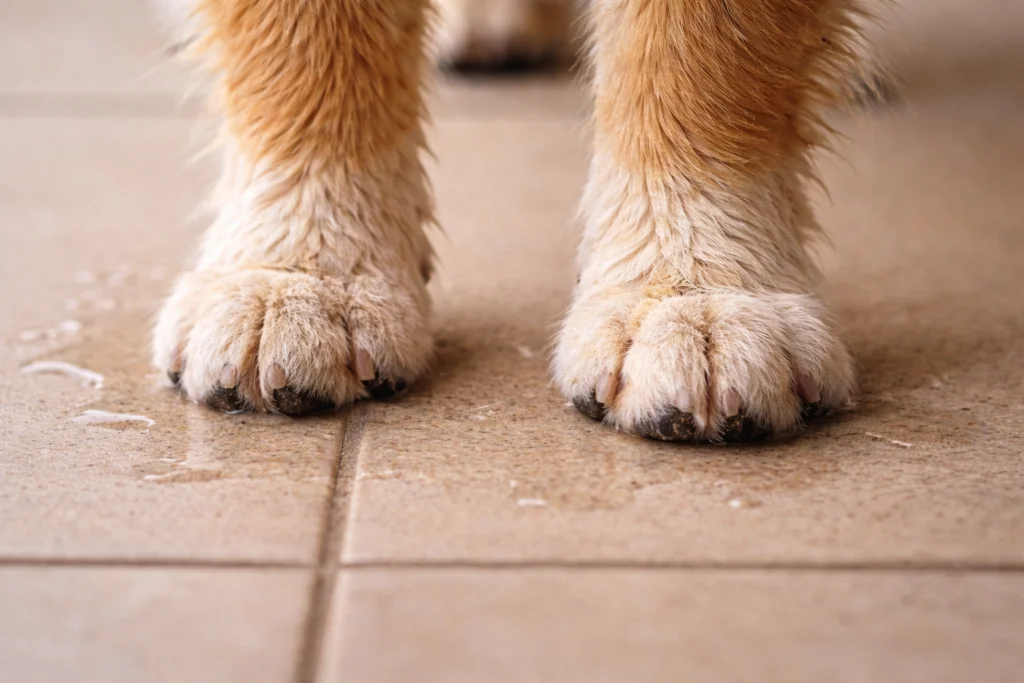

Lusiane Costa is a digital writer with degrees in Marketing and English Literature.
Creator of Latido Lógico and Logical Bark, she develops evidence-based content on canine aging, wellness, and senior-dog health.
The project was inspired by Goe — a senior dog whose longevity and resilience shaped a grounded, compassionate view on the challenges of aging in pets.
Each article reflects her commitment to transforming real experiences into accessible knowledge, helping owners understand, prevent, and care better for their animals at every stage of life.
Goe remains the heartbeat of this project.