May 26, 2026
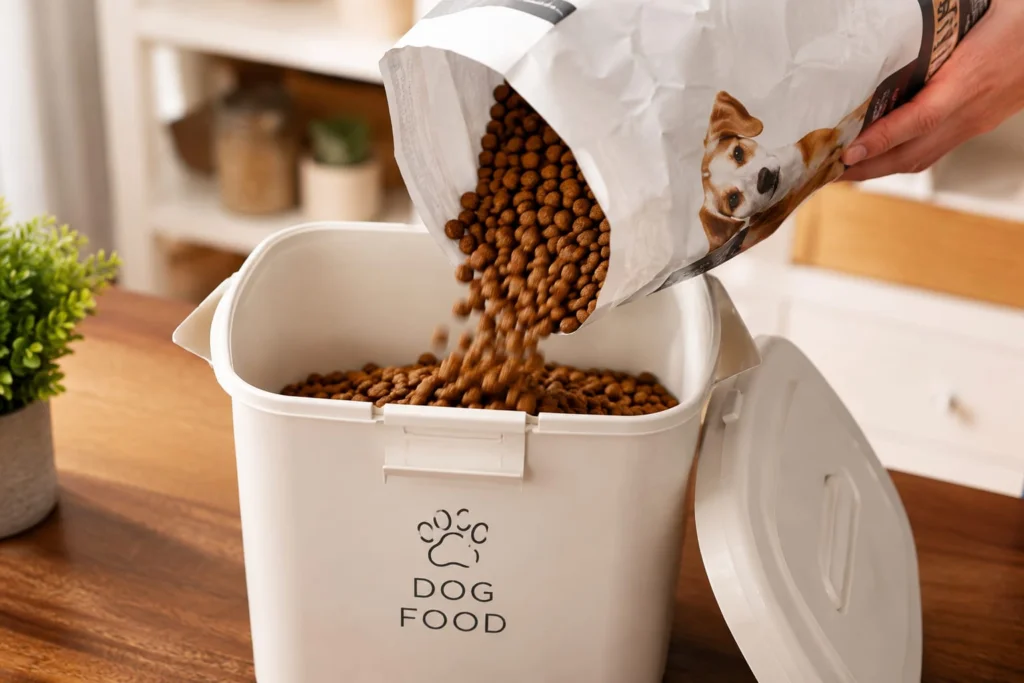
How to store pet food properly makes a difference in preservation, aroma, and even the nutritional quality of your pet’s diet
Knowing how to store pet food properly is one of the most common questions among dog and cat owners. Many people invest in high-quality food for their pets but do not realize that the way the food is stored also directly affects its preservation, aroma, texture, and even its nutritional value.
Exposure to heat, humidity, and air can accelerate nutrient loss, alter the smell of the food, and promote contamination. For this reason, understanding how to store pet food correctly is an important part of caring for dogs and cats.
How should pet food be stored?
The safest recommendation is usually to:
keep the food in a cool place;
away from direct sunlight;
protected from humidity;
and far from excessively hot or poorly ventilated areas.
Many people leave pet food bags directly on the floor in laundry rooms, garages, or kitchens, but this is not ideal. Contact with damp surfaces or enclosed spaces may contribute to changes in the food over time.
Ideally, pet food should be stored:
in a dry place;
with good ventilation;
and preferably elevated off the floor.
Can pet food stay in the original bag?
Yes. In fact, many veterinarians recommend keeping pet food inside its original packaging even when placed inside larger storage containers.
This is because the original bag was specifically designed to help protect the food from light, oxidation, and humidity. In addition, the packaging preserves:
expiration date;
batch number;
ingredients;
and manufacturer guidelines.
A very common practice is placing the entire original bag inside the storage container or pet food bin, avoiding direct contact between the food and different surfaces.
What is the best container for storing dog food?
A pet food storage container can be a good option when used properly.
There are several types available on the market:
airtight containers;
larger storage bins;
organizers;
and pet food-specific storage systems.
If you are interested or curious, some pet owners who choose pet food containers often recommend certain models quite frequently: https://amzn.to/49TFJG4
However, some precautions are important.
The container should always be:
clean;
dry;
properly sealed;
and protected from heat.
In addition, some professionals recommend avoiding transparent plastic containers constantly exposed to light and heat, especially in very warm kitchens or outdoor areas.
The most important thing is understanding that the container alone does not solve everything. The storage environment also matters.
Can dog food be stored in the refrigerator?
This is a very common question.
In the case of dry food, refrigeration is usually unnecessary. Depending on temperature and humidity changes, it may even contribute to unwanted alterations in the food.
Wet food, however, requires different care. Once opened, it should be refrigerated and consumed according to the manufacturer’s recommendations.
How to store a 10 kg bag of pet food properly?
Larger bags require even more attention.
Many owners purchase giant bags seeking savings, but depending on the pet’s consumption, the food may remain open for too long.
To store a 10 kg bag properly:
keep the package tightly sealed;
use appropriate clips or sealers;
avoid excessive heat;
and never leave the food fully exposed to air.
It is also important to avoid mixing new food directly over old leftovers without cleaning the container first.
How should treats be stored?
Treats also require similar care.
After opening, they should:
remain tightly sealed;
be protected from humidity;
and stored in dry places.
Changes in smell, texture, or appearance deserve attention.
How to preserve the nutritional quality of pet food?
Simple precautions help greatly in preserving food quality:
avoid heat and humidity;
keep the food protected from air exposure;
respect expiration dates;
store it properly;
and avoid leaving large quantities open for many months.
In GOE’s case, under veterinary guidance, the food always remained inside the original bag. Since he used specialized nutrition and several supplements during certain stages of life, excessively large packages were avoided. Smaller quantities were usually chosen specifically to better preserve the food’s nutritional quality throughout use.
In addition, all supplements and feeding-related care were organized and protected from heat and humidity.
Many times, small details in the way food is stored make a difference in the nutritional routine of dogs, especially those with specific health needs.
Taking care of your best friend’s nutrition is also a bond of responsibility, affection, and care for the health of the one who trusts you every single day — especially when it comes to one of the most important parts of life for them: eating.
Also check out other content about balanced nutrition and dog care: https://logicalbark.com/bones-for-dogs-how-to-choose-safer-and-healthier-options-for-your-dog/
This content is intended for informational purposes only and does not replace guidance from a veterinarian.
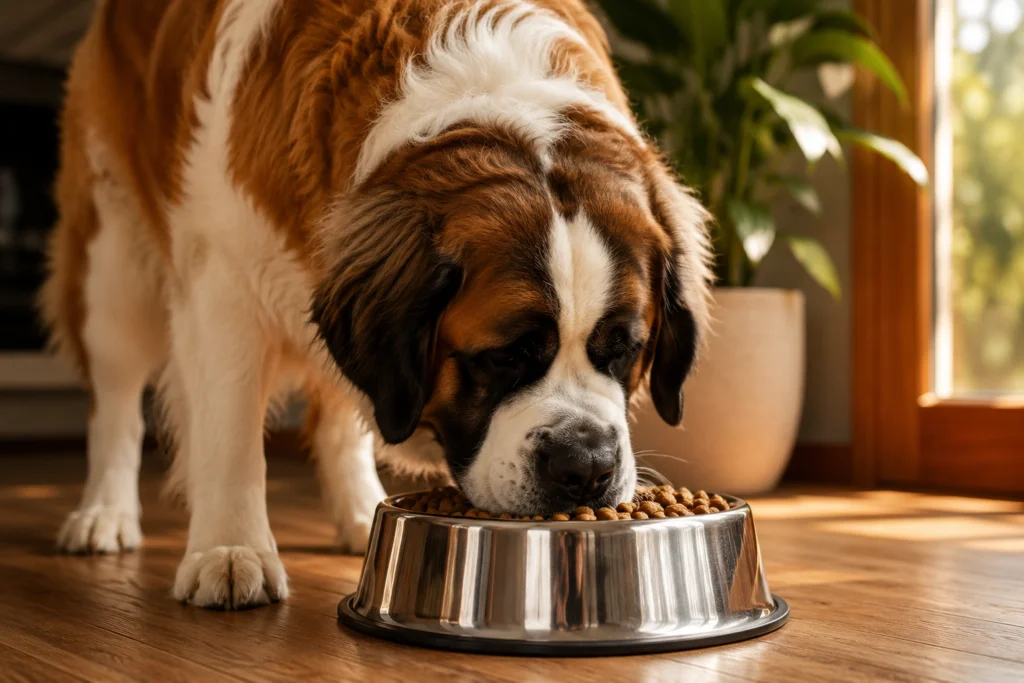
A happy senior dog enjoying one of the moments he appreciates most during the day: mealtime. Balanced nutrition, properly stored and prepared with care, is often what makes all the difference in a dog’s well-being and quality of life.
You may also like

Lusiane Costa is a digital writer with degrees in Marketing and English Literature.
Creator of Latido Lógico and Logical Bark, she develops evidence-based content on canine aging, wellness, and senior-dog health.
The project was inspired by Goe — a senior dog whose longevity and resilience shaped a grounded, compassionate view on the challenges of aging in pets.
Each article reflects her commitment to transforming real experiences into accessible knowledge, helping owners understand, prevent, and care better for their animals at every stage of life.
Goe remains the heartbeat of this project.
[…] 👉 Here is a complementary article that may help you better understand this topic: https://logicalbark.com/how-to-store-pet-food-properly-learn-how-to-preserve-the-nutritional-quality… […]