
Loli enjoying one of the bones for dogs she likes most: resistant, dehydrated, and always offered with supervision.
Bones for dogs are part of the routine of many pet owners who want to offer entertainment, natural chewing, and environmental enrichment. However, not every bone sold in pet shops is truly safe. There are important differences between natural bones, cooked bones, pressed rawhide, industrial chews, and toys made specifically for chewing.
With so many options available today, many pet owners wonder which bones for dogs are safer and which options require more attention.
Besides entertainment, chewing may help reduce boredom, stimulate natural behaviors, and support the mechanical cleaning of teeth in some dogs. However, inappropriate choices may increase the risk of choking, intestinal obstruction, and injuries.
Which bones for dogs are more recommended?
In general, raw bones and some natural dehydrated bones are often considered safer options when offered under supervision and according to the dog’s size.
- beef femur;
- beef shin bone;
- beef knee bone;
- beef hooves;
- natural dehydrated bones made for dogs;
- some meaty bones suitable for smaller dogs.
These bones usually keep dogs entertained for a longer time and stimulate the natural behavior of chewing and gnawing.
In routines observed with GOE, for example, some natural frozen bones were offered under supervision. Chewing often kept him entertained for a long time, especially during moments when he needed more environmental distraction.
Loli also shows great interest in some dehydrated bones made for dogs, especially the more resistant and natural options.
Why do many dogs enjoy chewing bones?
Chewing is part of a dog’s natural behavior. Gnawing on appropriate items may help dogs:
- relieve boredom;
- reduce anxiety;
- spend mental energy;
- stimulate focus and concentration;
- occupy resting periods;
- explore smells and textures.
For this reason, many dogs spend a long time involved with natural bones and suitable chews.
Are beef hooves good for dogs?
Beef hooves are one of the well-known natural chewing options for dogs.
Because they contain keratin, they tend to be more resistant and durable, which can keep many dogs entertained for a long time.
Possible benefits include prolonged entertainment, intense chewing, reduced boredom in some dogs, behavioral stimulation, and natural mechanical tooth wear.
Even so, supervision is essential, especially for dogs with very strong chewing behavior.
Cooked bones are not recommended
One of the most common mistakes is offering cooked bones to dogs.
When bones are cooked, they become more brittle and may break into sharp splinters.
These fragments may increase the risk of choking, internal injuries, mouth wounds, perforations, and intestinal obstruction.
For this reason, many specialists recommend avoiding cooked bones.
Rawhide bones require attention
Traditional dehydrated rawhide bones require caution.
Many of these products contain preservatives and other industrial components.
In addition, when mixed with the dog’s saliva, these bones may soften, form sticky masses, be swallowed in large pieces, stick to the digestive tract, and increase the risk of intestinal obstruction.
For this reason, it is important to observe chewing carefully and remove the product when it starts to deform excessively.
Chew toys also require care
Not every chew toy is safe for every dog.
Toys that are too small or fragile may break easily, release pieces, be swallowed, or cause choking.
Non-toxic nylon toys and resistant materials are usually safer when chosen according to the dog’s size and bite strength.
It is also important to check regularly whether the toy has started to crack, deform, or release pieces.
Bone size matters
The size of the bone should always match the dog’s size.
Bones that are too small may be swallowed quickly, increasing choking risks.
Larger dogs usually need more resistant and robust options.
For smaller dogs, some softer meaty bones may make chewing easier.
If you are interested in discovering some well-rated bones for dogs, here are some options often chosen for chewing and environmental enrichment: https://amzn.to/4txWw8y
Another option that has been gaining space among pet owners is ready-made bone broth for dogs, especially versions without artificial preservatives and formulated specifically: https://amzn.to/4uLpB1t
Senior dogs require extra attention
Senior dogs or dogs with dental changes may have more difficulty chewing very hard objects.
In these cases, some chews may cause discomfort, pain, dental fractures, gum sensitivity, or difficulty chewing.
For this reason, it is important to observe the dog’s behavior during chewing and speak with a veterinarian when there are previous dental issues.
Not every pet shop bone is safe
Many industrial treats look attractive, but this does not mean they are the best option for every dog.
Before choosing bones for dogs, observe the composition, preservatives, origin, resistance, size, dog’s age, and chewing strength.
Supervision remains one of the most important safety measures during any type of chewing.
Bones may help with environmental enrichment
Besides flavor and chewing, many bones may help with environmental enrichment for dogs.
Environmental enrichment involves stimuli that make the dog’s routine more active and interesting.
In many cases, offering an appropriate chew may help the dog stay entertained, spend mental energy, reduce destructive behaviors, occupy resting periods, and stimulate natural behaviors.
Can dogs have natural bones?
This is one of the most common questions among pet owners.
In many cases, raw natural bones or dehydrated bones made specifically for dogs may be used with proper supervision.
However, each dog has individual characteristics, such as bite strength, age, dental health, eating behavior, and gastrointestinal history.
For this reason, observing the dog’s reaction and adapting the type of chew makes a significant difference.
How to choose bones for dogs more safely
When choosing bones for dogs, some precautions are helpful:
- prefer products made specifically for dogs;
- avoid cooked bones;
- supervise chewing;
- choose the appropriate size;
- remove broken pieces;
- avoid excessively soft chews;
- watch for signs of discomfort.
More important than choosing the most commonly used product is observing how the dog reacts to and chews each item.
Bones for dogs: should you offer them or not?
This remains one of the biggest questions among pet owners. The answer depends mainly on the type of bone, the way it is offered, and the dog’s profile.
Some raw natural bones and dehydrated bones may be part of many dogs’ routines when offered with proper supervision.
However, other types of bones may increase risks, especially when they are cooked, brittle, splinter easily, too small, or swallowed too quickly.
Safety depends more on correct choice and supervision than on the product name alone.
Safer ways to offer bones for dogs
Some measures help make chewing safer:
- always offer bones under supervision;
- remove very small pieces;
- avoid leaving the dog alone with the bone;
- choose bones proportional to the dog’s size;
- discard cracked or broken bones;
- respect dental limitations.
Many pet owners also choose to offer some frozen natural bones, especially on warmer days. Freezing may increase chewing time and make the activity last longer for some dogs.
In situations similar to what GOE experienced, some natural frozen bones were offered under supervision to extend environmental enrichment and stimulate chewing for a longer time.
Never offer cooked, roasted, or fried bones
This is one of the most important safety points.
Cooked, roasted, or fried bones present increased risks because they may become brittle, splinter, form sharp edges, increase the risk of internal injuries, and cause choking.
Many veterinary emergencies involving bones happen after dogs consume cooked bones offered inappropriately.
Prohibited bones and higher-risk situations
Some bones and chews require special attention.
The most commonly mentioned in veterinary warnings include cooked bones, very small bones, extremely brittle bones, heavily processed rawhide bones, products with many preservatives, and fragile chew objects.
Very anxious dogs or dogs that try to swallow quickly also need even closer supervision.
Beef kneecap bone: a well-known natural option
The beef kneecap bone, known in some butcher shops as a patella bone, is often sought by pet owners who offer natural bones to dogs.
It usually has good resistance, a robust structure, prolonged chewing time, and strong interest from many dogs.
Even so, supervision remains essential, especially for dogs with intense chewing behavior.
Bones for dogs: what are the best options?
There is no single perfect bone for every dog. The best bone depends on size, age, bite strength, dental health, eating behavior, and anxiety level.
Among the options many pet owners look for are raw natural bones, natural dehydrated bones, beef kneecap bones, beef hooves, and some meaty bones made for dogs.
Artificial pressed rawhide bones require more attention because they may soften and form sticky masses during chewing.
Safety always comes first
Regardless of the type of bone chosen, safety should always come first.
Simple precautions make a significant difference: supervise the dog, observe bone wear, avoid objects that are too small, monitor intestinal changes, and remove damaged products.
When used responsibly and with proper supervision, many natural bones may support environmental enrichment and healthy entertainment for many dogs.
To deepen this topic, also read this complementary post: https://logicalbark.com/what-fruits-can-dogs-eat-a-safe-guide-to-including-fruit-in-your-dogs-diet/
This content is for informational purposes only and does not replace guidance from a veterinarian.
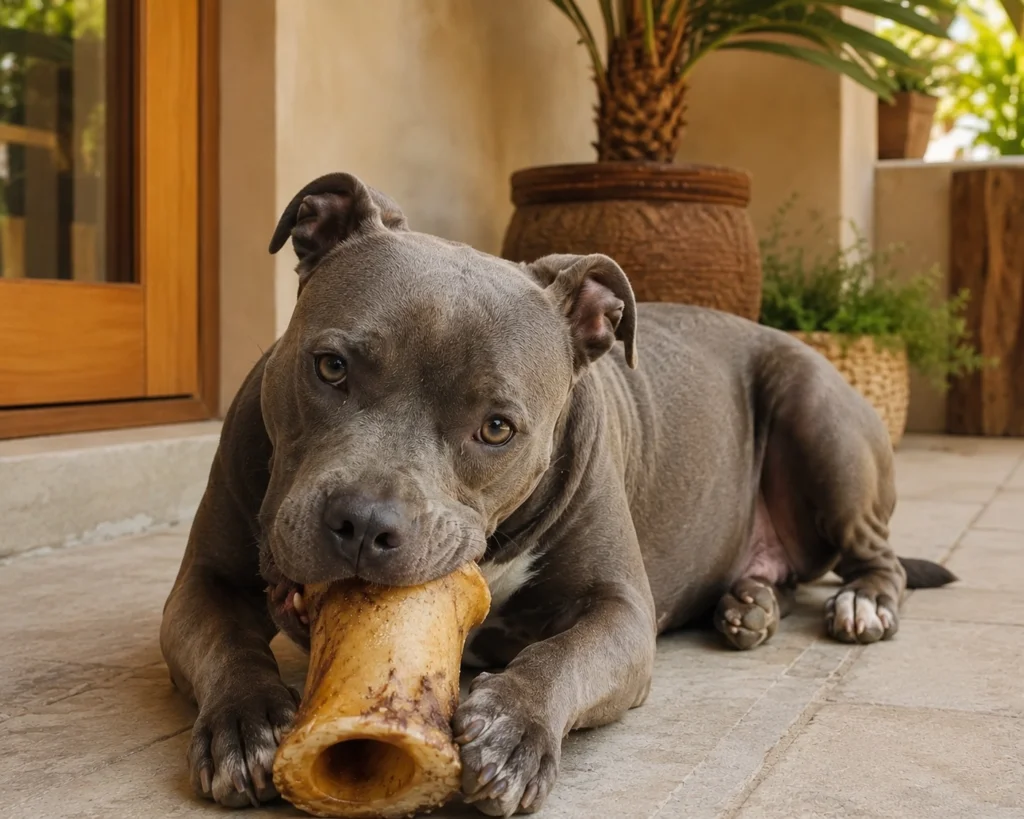
Some dogs spend a long time entertained with more resistant and natural bones for dogs.
You may also like
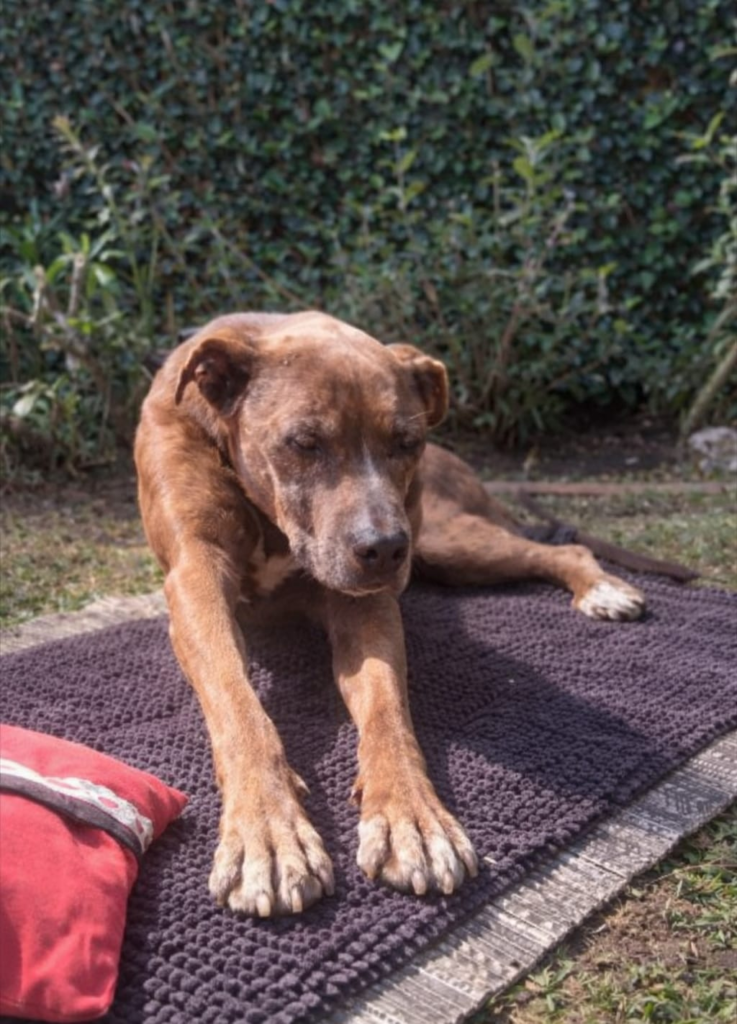

Lusiane Costa is a digital writer with degrees in Marketing and English Literature.
Creator of Latido Lógico and Logical Bark, she develops evidence-based content on canine aging, wellness, and senior-dog health.
The project was inspired by Goe — a senior dog whose longevity and resilience shaped a grounded, compassionate view on the challenges of aging in pets.
Each article reflects her commitment to transforming real experiences into accessible knowledge, helping owners understand, prevent, and care better for their animals at every stage of life.
Goe remains the heartbeat of this project.
[…] Also check out other content about balanced nutrition and dog care: https://logicalbark.com/bones-for-dogs-how-to-choose-safer-and-healthier-options-for-your-dog/ […]
[…] 👉 This subject is also related to the content presented in this article: https://logicalbark.com/bones-for-dogs-how-to-choose-safer-and-healthier-options-for-your-dog/ […]