May 25, 2026
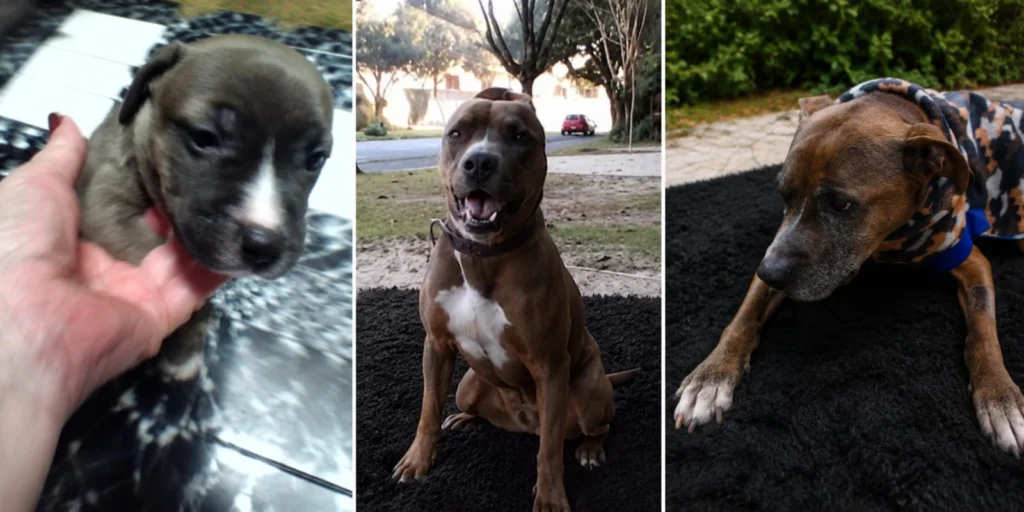
Dogs are living longer today, and perhaps this is one of the most beautiful ways life has found to extend love.
GOE and his aging journey at 16 years old.
Dogs live longer today than they did decades ago. This is a reality observed both by veterinarians and by tutors who have followed the evolution of veterinary medicine, animal nutrition, and preventive care over the years.
Vaccines, exams, surgeries, medications, clinical monitoring, and greater attention to pet health have significantly increased canine life expectancy.
But there is an important question beginning to emerge alongside this increase in longevity:
Dogs are living longer today… but are they living better?
Perhaps one of the greatest reflections about canine aging is not only in the number of years a dog reaches, but in the quality of life built throughout that journey.
In daily life alongside GOE, a pit bull who surpassed an unusual longevity for the breed, it became impossible not to reflect on how canine aging is also shaped by the experiences accumulated throughout a dog’s life.
Because aging begins long before old age.
Canine aging does not begin only when mobility difficulties, joint pain, or physical limitations appear. It begins in habits, routine, emotional environment, nutrition, stimulation, and in the way that dog learns to live from its earliest years.
Perhaps the greatest achievement of modern veterinary medicine was not only extending dogs’ lives, but understanding how to help them age with greater dignity and quality.
How Long Do Dogs Live Today?
Canine life expectancy varies according to several factors: size, genetics, breed, environment, nutrition, emotional health, veterinary monitoring, and physical and mental stimulation.
Small breeds usually live longer. A Chihuahua, for example, may surpass 18 years in some cases.
Giant breeds, on the other hand, often have a shorter life expectancy, frequently between 7 and 10 years.
Mixed-breed dogs often present greater longevity due to genetic diversity.
Even so, there is no exact formula.
There are large dogs that surprise people with their longevity and small dogs that develop early diseases.
That is why the discussion about canine longevity goes far beyond genetics alone.
Why Are Dogs Living Longer Today?
Dogs are living longer today mainly because of advances in veterinary and preventive care.
Today there are early diagnoses, advanced laboratory tests, vaccines, cardiac monitoring, pain management, orthopedic treatments, complementary therapies, greater access to information, and continuous monitoring of animal health.
Many dogs that years ago would not have survived certain illnesses can now live for many years with proper care.
This represents enormous progress.
But at the same time, the modern dog has also undergone profound lifestyle changes.
And perhaps one of the most important reflections of today lies exactly there.
The Modern Dog’s Routine Has Completely Changed
A dog’s body remains biologically very similar to what it was decades ago.
But the environment has changed radically.
Today many dogs live in apartments, with little physical activity, less environmental exploration, less interaction with other dogs, excessive artificial stimulation, sedentary routines, long periods alone, increasing anxiety, and emotional overstimulation.
Many tutors deeply love their dogs but, without realizing it, end up offering a lifestyle distant from the species’ natural needs.
Not because of a lack of affection or care.
Often because of overprotection and lack of proper guidance.
Dogs still need to sniff, explore, chew, play, spend energy, rest properly, develop mental stimulation, and experience life in ways compatible with their nature.
Perhaps part of healthy longevity lies precisely in this balance between modern veterinary medicine and the preservation of more natural habits.
With canine aging and increasingly urban routines, many dogs spend most of their time in apartments and reduced spaces. In some cases, even while receiving love and protection, they still need stimulation related to sniffing, curiosity, chewing, and play.
As an alternative, some tutors try to enrich this routine with interactive toys, chew toys, and snuffle mats, attempting to create a more stimulating environment for dogs that spend more time indoors.
If you would like to explore some of these resources, and if it interests you, here is a model that has been well reviewed by tutors: https://amzn.to/43eY6ln
There Is a Difference Between Living Longer and Living Well
This may be one of the most important discussions about canine aging today.
Because living longer does not automatically mean living better.
Today many dogs reach old age while dealing with obesity, anxiety, chronic inflammation, sedentary lifestyles, early joint deterioration, excessive stress, emotional difficulties, extreme dependency, and low cognitive stimulation.
At the same time, there are senior dogs that remain emotionally active, curious, connected to the household routine, and functionally preserved.
And this rarely happens by accident.
In the experience built alongside GOE and also Loli, it became very evident how healthy aging seems to arise from a combination of factors accumulated throughout life: veterinary monitoring, constant observation, routine adaptation, balanced nutrition, a more stable emotional environment, stimulation, bonding, predictability, and respect for the time of a life that carries so much history and affections that remain indescribable.
There is no magic formula.
But there is conscious companionship.
Do People Who Have Dogs Live Longer?
Interestingly, this reflection does not involve only dogs.
Several studies have already observed that dog tutors tend to present benefits related to emotional and cardiovascular health.
Having a dog often encourages walking, movement, routine, socialization, reduction of loneliness, emotional connection, and companionship.
In many cases, dogs also help humans slow down emotionally.
And perhaps this is exactly what makes these bonds so profound.
Some dogs accompany such important stages of a person’s life that they become part of the very way that person learns to feel, care, and understand time.
In my own experience, accompanying GOE throughout the years became one of the most remarkable experiences of my life — perhaps the greatest of them.
Because aging alongside a dog changes the way we understand care, routine, adaptation, limits, and affection.
Canine Aging Begins Before Old Age
Perhaps one of the greatest mindset changes today is understanding that caring for a senior dog begins long before old age itself.
It begins in emotional management, daily habits, stimulation, nutrition, quality of routine, preventive care, balance between protection and freedom, and in the way we allow dogs to continue being dogs.
To deepen the understanding of this topic, also check this related post: https://logicalbark.com/mental-stimulation-for-dogs-how-to-stimulate-your-dogs-brain-in-everyday-life/
Dogs are living longer today.
But perhaps the greatest question today is not simply how many years they can reach.
Perhaps the most important question is:
How are we helping these dogs live each one of those years?
Because living beside a dog may be one of the greatest emotional treasures life can allow us to experience.
This content is for informational purposes only and does not replace guidance from a veterinarian or a specialized professional in canine health and behavior.
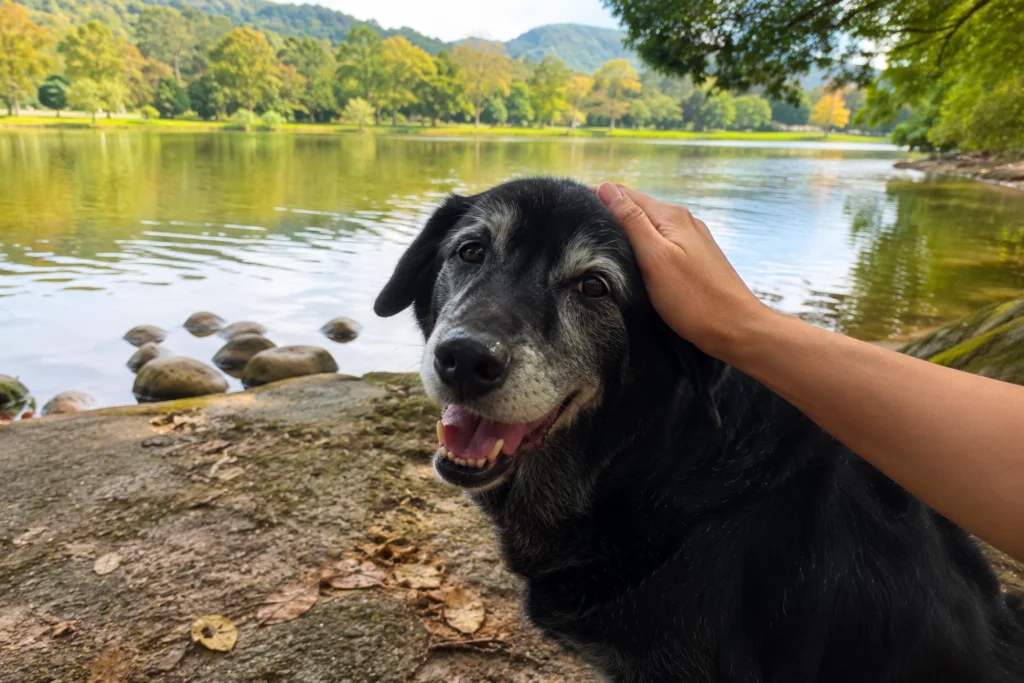
Enjoying meaningful moments beside a senior dog may be one of the most beautiful ways to understand the true value of time.
You may also like

Lusiane Costa is a digital writer with degrees in Marketing and English Literature.
Creator of Latido Lógico and Logical Bark, she develops evidence-based content on canine aging, wellness, and senior-dog health.
The project was inspired by Goe — a senior dog whose longevity and resilience shaped a grounded, compassionate view on the challenges of aging in pets.
Each article reflects her commitment to transforming real experiences into accessible knowledge, helping owners understand, prevent, and care better for their animals at every stage of life.
Goe remains the heartbeat of this project.