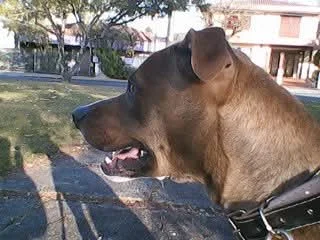
GOE in contact with natural stimuli, observing movements, sounds, and elements of the environment during an outdoor walk.
Mental stimulation for dogs is essential for dogs’ emotional, cognitive, and behavioral health. Many people believe that walks and physical exercise alone are enough, but a dog’s brain also needs challenges, novelty, and active participation in the environment.
Dogs living without proper mental stimulation may develop:
- Anxiety
- Excessive boredom
- Frequent barking
- Destructive behavior
- Constant agitation
- Compulsive behaviors
- Apathy
- Stress
- Excessive attention-seeking
Many times, the dog is not only “full of energy.” They may also be mentally frustrated.
Just like humans, dogs need to use their brains daily.
What Is Mental Stimulation for Dogs?
Mental stimulation for dogs involves activities that encourage reasoning, memory, perception, learning, scent work, curiosity, and social interaction.
A dog’s brain needs to work through:
- Environmental exploration
- Scent activities
- Command training
- Cognitive games
- Social interaction
- Positive routine changes
- Light challenges
Many owners focus only on physical exercise, but mental fatigue is also extremely important for a dog’s emotional balance.
Why Is Mental Stimulation Important?
When a dog receives proper mental stimulation, they tend to:
- Become more emotionally balanced
- Sleep better
- Reduce anxiety
- Show less destructive behavior
- Become more confident
- Learn more easily
- Interact better with the family
Intelligent and active dogs especially need frequent cognitive enrichment.
Even senior dogs can benefit greatly from mental stimulation for dogs, while respecting their physical limitations.
Challenging Feeding Activities to Stimulate Your Dog’s Brain
One of the most effective ways to work a dog’s brain is by turning feeding time into a mental challenge.
Instead of simply placing food in the bowl the same way every day, owners can encourage dogs to think and search for their food.
You can:
- Hide treats around the house
- Use stuffed enrichment toys
- Create small scent trails
- Offer meals inside interactive toys
- Use snuffle mats
A dog’s sense of smell is one of their most important cognitive abilities.
Sniffing requires concentration, environmental awareness, and problem-solving.
Even a few minutes of scent-based activities can mentally tire a dog in a healthy way.
Snuffle Mats and Scent Activities
Snuffle mats have become very popular among mental stimulation for dogs activities.
With these mats, owners hide treats between fabric layers, and the dog must search using their nose.
This type of activity helps:
- Reduce anxiety
- Improve concentration
- Lower stress
- Improve emotional balance
- Work the brain without excessive physical effort
Besides snuffle mats, simple scent-search games also help a lot.
You can hide food in safe places and encourage the dog to search using their nose.
If you are interested in exploring snuffle mat options, this model is among the highest-rated by dog owners for scent activities, environmental enrichment, and mental stimulation for dogs: https://amzn.to/43d5pK1
Puzzle Toys for Dogs
Puzzle toys are designed to make dogs solve small challenges in order to get food or treats.
These include:
- Stuffable toys
- Treat-dispensing balls
- Sliding games
- Compartment-opening toys
- Simple dog puzzles
These toys are part of mental stimulation for dogs because they encourage problem-solving.
Many dogs become emotionally calmer after cognitive activities like these.
And expensive toys are not always necessary. Cardboard boxes, safely adapted plastic bottles, and simple homemade games can already provide excellent brain stimulation.
To continue reading about this topic, check out this related post: https://logicalbark.com/what-senior-dogs-feel-emotional-signs-and-how-to-interpret-them/
Training and Tricks Also Stimulate the Brain
Learning is one of the most important forms of mental enrichment.
Even adult and senior dogs can continue learning commands and tricks.
You can teach:
- Sit
- Lie down
- Stay
- Give paw
- Fetch objects
- Spin
- Recognize words
- Wait for commands
Short, positive, and consistent training sessions help greatly with emotional balance.
And one important detail: many dogs respond better when we use more body language and less excessive verbal communication.
Body movements, eye direction, posture, and clear gestures greatly improve communication.
Walks Are Also Mental Stimulation for Dogs
Many people see walks only as physical exercise.
But walking involves much more than movement.
During walks, dogs:
- Sniff environments
- Observe movement
- Hear different sounds
- Interact socially
- Explore new stimuli
- Work spatial memory
Changing walking routes already provides new mental stimulation for dogs.
Even shorter walks can be extremely rich cognitively.
Many specialists observe that frequent walks help anxious dogs become emotionally more balanced.
Environmental Enrichment Indoors
Environmental enrichment aims to make a dog’s environment more interesting.
This may include:
- Rotating toys
- New scents
- Different objects
- Exploration moments
- Contact with outdoor areas
- Family interaction
Dogs living in the exact same routine without novelty or challenges may develop emotional frustration.
Even small changes help significantly.
Daily Interaction Also Stimulates Your Dog’s Brain
Many people forget that interaction is also part of mental stimulation for dogs.
Dogs observe:
- Facial expressions
- Movements
- Human habits
- Daily routines
- Tone of voice
- Emotional changes
Talking to the dog, allowing participation in daily life, and encouraging interaction greatly help cognitive enrichment.
Participation itself is mental stimulation.
Senior Dogs Also Need Mental Stimulation
Many people completely reduce stimulation when dogs become older.
But senior dogs still need to use their brains.
While respecting:
- Mobility
- Pain
- Fatigue
- Physical limitations
- Individual needs
Light cognitive activities may help senior dogs:
- Reduce anxiety
- Stimulate memory
- Reduce apathy
- Improve interaction
- Maintain interest in the environment
Many senior dogs benefit greatly from gentle and consistent cognitive stimulation.
How to Know if Your Dog Is Mentally Bored
Some signs may indicate a lack of mental stimulation for dogs:
- Frequent destruction
- Excessive barking
- Constant agitation
- Repetitive behaviors
- Compulsive paw licking
- Excessive attention-seeking
- Excessive discouragement
Many times, dogs do not simply need to run more — they need to use their brains in a healthy way.
Final Reflection
With GOE, morning walks were part of this routine of stimulation and interaction. After returning home, he continued participating in the environment, observing movements, following the family’s routine, and remaining in constant contact with us.
Even in the outdoor areas of the house, there was interaction, conversation, and participation in daily life. Many times, mental stimulation for dogs happens exactly in these small moments of interaction, observation, and participation in family life.
Disclaimer: This content is for informational purposes only and does not replace professional veterinary guidance.
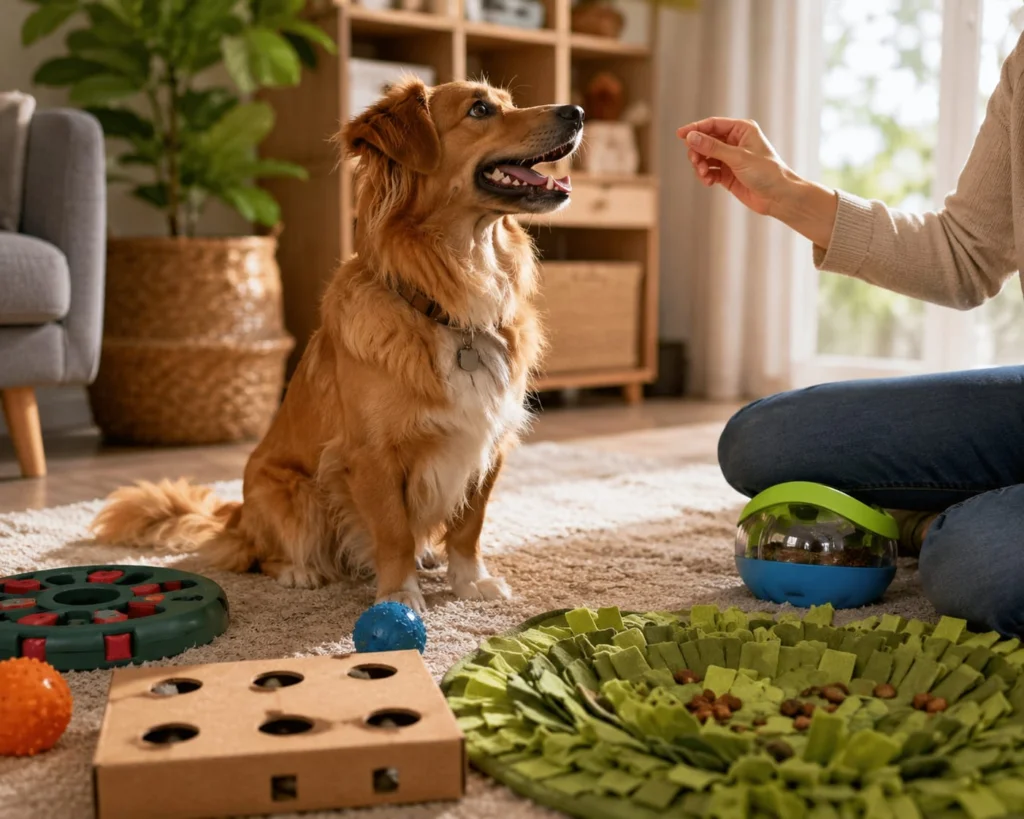
Games, commands, and cognitive challenges are also part of mental stimulation for dogs.
You may also like


Lusiane Costa is a digital writer with degrees in Marketing and English Literature.
Creator of Latido Lógico and Logical Bark, she develops evidence-based content on canine aging, wellness, and senior-dog health.
The project was inspired by Goe — a senior dog whose longevity and resilience shaped a grounded, compassionate view on the challenges of aging in pets.
Each article reflects her commitment to transforming real experiences into accessible knowledge, helping owners understand, prevent, and care better for their animals at every stage of life.
Goe remains the heartbeat of this project.
[…] To further explore this topic, also check out this complementary post: https://logicalbark.com/mental-stimulation-for-dogs-how-to-stimulate-your-dogs-brain-in-everyday-lif… […]
[…] To deepen the understanding of this topic, also check this related post: https://logicalbark.com/mental-stimulation-for-dogs-how-to-stimulate-your-dogs-brain-in-everyday-lif… […]