
June 1, 2026

Brachycephalic syndrome in dogs: when breathing stops being natural and becomes a daily struggle
Brachycephalic syndrome in dogs is a respiratory condition that mainly affects short-nosed breeds such as Pugs, French Bulldogs, English Bulldogs, and Shih Tzus. Many of these dogs live daily with difficulty breathing, excessive snoring, rapid fatigue, and heat intolerance — signs that are often considered “normal for the breed,” when in reality they may indicate continuous respiratory distress and a significant impact on quality of life.
Many people believe that the constant snoring of these dogs is simply part of their breed personality. However, in many cases, what appears to be “normal” may actually represent daily respiratory effort.
Brachycephalic syndrome affects much more than breathing alone. It can impact sleep, eating, heat tolerance, physical stamina, and even the digestive system.
What is brachycephalic syndrome?
Brachycephalic syndrome is a group of anatomical abnormalities that make breathing difficult in flat-faced dogs.
Among the most common alterations are:
- very narrow nostrils
- elongated soft palate
- narrower trachea
- excess tissue in the airways
- collapse of laryngeal structures in more severe cases
These changes make it harder for air to pass through, forcing the dog to make constant effort in order to breathe.
Which breeds are more predisposed?
The breeds most commonly associated with brachycephalic syndrome include:
- Pug
- French Bulldog
- English Bulldog
- Shih Tzu
- Boston Terrier
- Pekingese
- Boxer
Not all dogs from these breeds will have the same level of impairment. Some show mild signs, while others may develop significant respiratory difficulties at a young age.
What are the most common signs?
Many owners live daily with signs that eventually become normalized. However, several of these behaviors may indicate respiratory distress.
The most common signs include:
- excessive snoring even while awake
- very loud breathing
- rapid fatigue
- difficulty exercising
- heat intolerance
- frequent gagging
- respiratory crises
- difficulty sleeping comfortably
- constant panting
- bluish tongue during exertion
In more severe cases, the dog may experience fainting, respiratory collapse, and the need for emergency care.
Does brachycephalic syndrome affect only breathing?
No.
This is one of the most important aspects of the condition.
The constant effort to breathe increases pressure inside the chest and abdomen. Over time, this may also contribute to digestive problems such as:
- gastroesophageal reflux
- frequent vomiting
- regurgitation
- gastritis
- hiatal hernia
In addition, many dogs sleep poorly, show increased anxiety, and have low tolerance to hot environments.
For this reason, brachycephalic syndrome should not be viewed only as an “esthetic” or “breed-specific” issue.
Why can heat be so dangerous?
Dogs regulate much of their body temperature through breathing. Since brachycephalic dogs already have respiratory difficulty, heat can become extremely dangerous.
During hot days, intense exercise, or stressful situations, the body requires more ventilation. However, compromised airways make this process more difficult.
This increases the risk of:
- overheating
- heat exhaustion
- respiratory crises
- emergency hospitalization
For this reason, many veterinarians recommend avoiding walks during hot hours, poorly ventilated environments, and excessive physical activity.
What should you do when the dog shows signs?
The first step is seeking veterinary evaluation, especially with professionals experienced in respiratory disorders and brachycephalic syndrome.
The veterinarian may assess:
- severity of signs
- degree of airway obstruction
- impact on quality of life
- need for diagnostic tests
- possibility of clinical or surgical treatment
The earlier the condition is monitored, the greater the chances of reducing future complications.
Is there treatment?
Yes. Treatment depends on the severity of the syndrome and the specific alterations present in each dog.
In some cases, lifestyle adjustments can help significantly:
- weight control
- avoiding excessive heat
- reducing intense physical exertion
- using a harness instead of a neck collar
- regular veterinary monitoring
However, dogs with more significant respiratory compromise may require corrective surgery.
If you are interested in understanding better some harness models that many owners consider more comfortable for brachycephalic dogs, it may be helpful to observe some examples commonly used in daily routines: https://amzn.to/4vfJ5eJ
How does surgery for brachycephalic syndrome work?
Many people believe the surgery is only cosmetic, but this does not reflect the reality of clinically affected dogs.
The surgery aims to improve airflow and reduce constant respiratory effort.
Depending on the case, procedures may include:
- widening the nostrils
- correcting the elongated soft palate
- removing tissues obstructing the airways
- associated laryngeal corrections
The goal is to allow the dog to breathe with less strain.
In many cases, owners report significant improvement after the procedure, including:
- reduced snoring
- fewer respiratory crises
- improved sleep
- increased energy
- less heat intolerance
- reduced gagging and reflux
However, every case must be evaluated individually.
Is the surgery common?
Yes. Currently, corrective surgery for brachycephalic syndrome is relatively common in veterinary medicine, especially in hospitals and specialized centers.
The earlier monitoring begins, the greater the chances of avoiding chronic respiratory changes and progressive damage to the airways.
In some dogs, waiting too long may allow continuous respiratory effort to worsen laryngeal structures over time.
Does every brachycephalic dog need surgery?
No.
Some dogs have mild signs and good clinical control. Others, however, experience significant impairment in quality of life.
The decision depends on factors such as:
- severity of symptoms
- age
- frequency of crises
- heat tolerance
- respiratory difficulty
- clinical tests and veterinary evaluation
For this reason, professional monitoring is essential.
Normalizing suffering may delay diagnosis
One of the biggest problems with brachycephalic syndrome is that many signs end up being seen as “normal for the breed.”
But breathing should not be a daily struggle for any dog.
When a dog snores excessively, tires easily, has respiratory difficulty, or suffers intensely from heat, these signs deserve attention.
Early care can directly contribute to greater comfort, safety, and quality of life.
See other related content that may help with your pet’s daily care routine: https://logicalbark.com/rem-sleep-in-dogs-what-happens-when-a-dog-sleeps-deeply/
Disclaimer
This content is intended exclusively for informational and educational purposes and does not replace professional veterinary evaluation. Every dog has individual clinical characteristics, and any decision regarding examinations, treatments, or surgical procedures should always be made together with a qualified veterinarian.
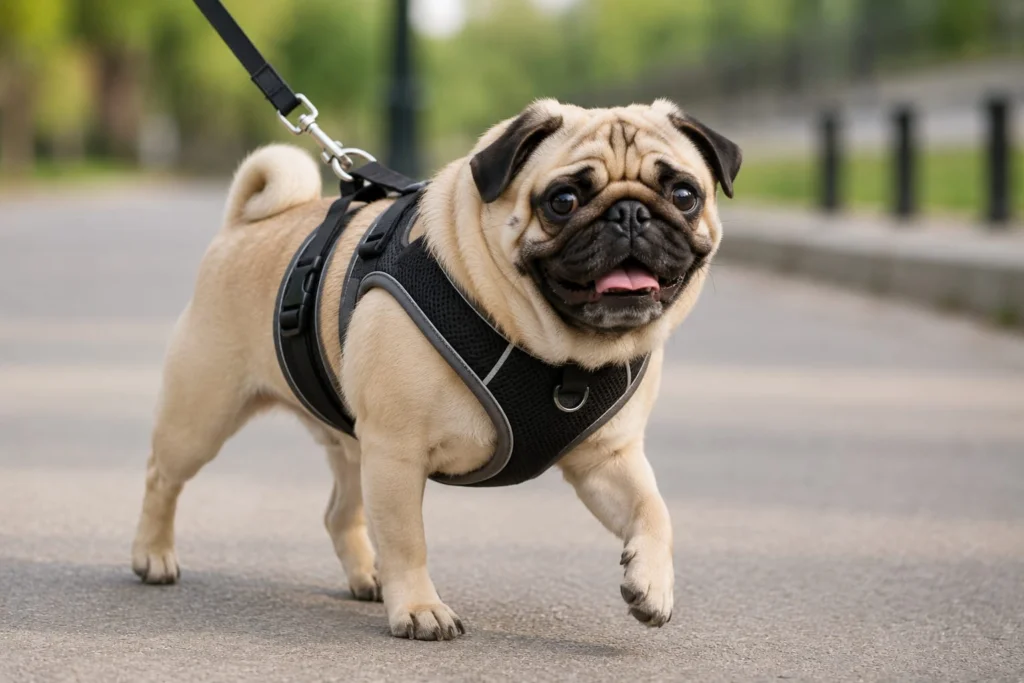
Even with brachycephalic syndrome in dogs, some simple daily care measures can make walks safer, more comfortable, and easier on breathing.
You may also like


Lusiane Costa is a digital writer with degrees in Marketing and English Literature.
Creator of Latido Lógico and Logical Bark, she develops evidence-based content on canine aging, wellness, and senior-dog health.
The project was inspired by Goe — a senior dog whose longevity and resilience shaped a grounded, compassionate view on the challenges of aging in pets.
Each article reflects her commitment to transforming real experiences into accessible knowledge, helping owners understand, prevent, and care better for their animals at every stage of life.
Goe remains the heartbeat of this project.