
May 30, 2026
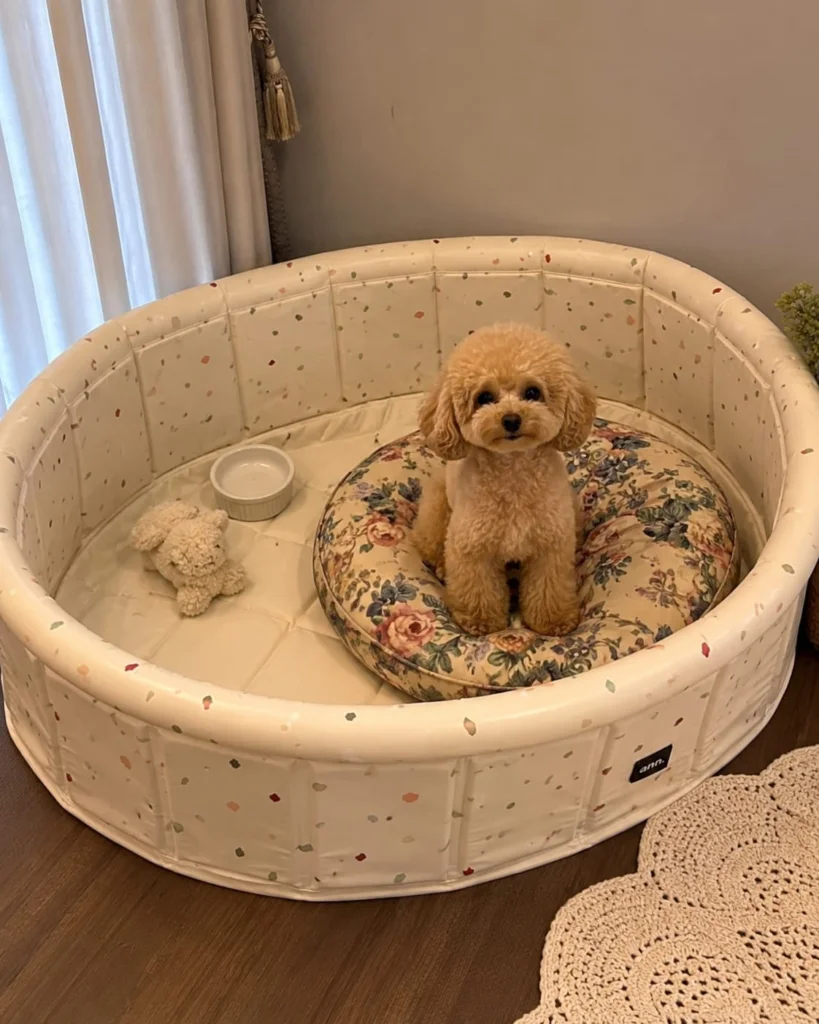
Much more than simply defining boundaries, dog playpens can represent comfort, protection, and an adaptation of daily life to the real needs of dogs. When used correctly, they become safe and calming environments, helping both the dog and the family in everyday life.
One of the main benefits of dog playpens is related to safety. Many domestic accidents happen inside the home, especially with senior dogs or dogs with mobility difficulties. Slipping on smooth floors, falls, access to stairs, furniture, and unsafe areas can cause serious injuries. A playpen helps reduce these risks by creating a more protected and controlled space.
In the case of senior dogs, the benefits tend to become even more noticeable. As dogs age, many begin to experience mobility difficulties, balance loss, cognitive changes, and greater disorientation. Some also develop nighttime anxiety, wander aimlessly through the house, or struggle to find water, beds, or pee pads during the night.
In these situations, dog playpens help organize the environment and provide greater predictability for the dog. When everything the dog needs remains nearby — bed, water, food, and pee pads — the dog tends to feel calmer and more comfortable.
Another important point is that dog playpens can assist during recovery processes. Dogs recovering from surgeries, orthopedic injuries, or veterinary treatments often need to reduce excessive movement. The playpen allows the dog to rest more safely without being completely isolated from family interaction.
In addition, many owners use dog playpens during adaptation periods. Puppies, for example, are still learning household boundaries, hygiene routines, and schedules. The playpen helps create a more organized structure, supporting learning and reducing stressful situations.
Contrary to what some people imagine, dog playpens should not be seen as punishment. The way the environment is introduced to the dog makes all the difference. When the space is associated with comfort, security, and positive experiences, many dogs begin to see it as a safe place to rest.
For this reason, preparing the environment properly is extremely important. Ideally, the playpen should be comfortable, ventilated, and positioned close to family interaction. Soft beds, blankets, non-slip mats, toys, and fresh water help make the space more pleasant.
If you would like to better understand how these models work in practice and explore some options commonly used by many dog owners, this may be a helpful reference:
https://amzn.to/4voxuud
Another important consideration is choosing the appropriate size of the playpen. The dog should be able to move, lie down, stand up, and change positions comfortably. Playpens that are too small can create discomfort and agitation.
The materials also make a difference. Today, there are foldable, removable, and differently reinforced models available. Some are better suited for puppies, while others provide greater stability for larger or senior dogs.
For senior dogs, many owners also combine the use of a playpen with orthopedic mattresses, lower foam beds, and non-slip mats around circulation areas. These small adaptations can significantly improve the dog’s daily comfort and mobility.
Another rarely discussed benefit of dog playpens is the emotional reassurance they provide for owners as well. Knowing that the dog is safe during the night, during short absences, or during recovery periods greatly reduces family concern.
In apartments and smaller environments, dog playpens also help organize the space without forcing the dog into unsuitable areas. Many owners create true resting and comfort corners inside the home.
It is important to remember that every dog has different needs. Some adapt quickly to playpens, while others require a gradual adaptation period. The process should be gentle and respectful, without forcing confinement or creating fear.
Ideally, owners should introduce the space positively, allowing the dog to explore naturally. Treats, toys, and moments of rest can help during this initial adaptation.
Dog playpens do not replace walks, interaction, attention, or family companionship. They function as a supportive tool within the routine, offering greater safety and comfort in specific situations.
If you’re curious to see some playpen models, I’ll leave a few options linked near the dog bed section below.:https://amzn.to/4o3w5Xy
As preventive care and awareness about canine aging continue to grow, many owners have come to understand that adapting the home environment is also part of caring. Small environmental changes can make a meaningful difference in a dog’s quality of life.
To continue exploring this topic, you may also enjoy this related content about mobility and joint support for dogs:
https://latidologico.me/qual-a-melhor-condroitina-para-cachorro-guia-completo-para-articulacoes-mobilidade-e-envelhecimento-saudavel/
And perhaps that is exactly what dog playpens represent in many homes: a practical adaptation that continues to provide protection, comfort, and closeness alongside those who accompany so many chapters of our lives.
Much more than simply defining boundaries, dog playpens can represent comfort, protection, and an adaptation of daily life to the real needs of dogs. When used correctly, they become safe and calming environments, helping both the dog and the family in everyday life.
One of the main benefits of dog playpens is related to safety. Many domestic accidents happen inside the home, especially with senior dogs or dogs with mobility difficulties. Slipping on smooth floors, falls, access to stairs, furniture, and unsafe areas can cause serious injuries. A playpen helps reduce these risks by creating a more protected and controlled space.
In the case of senior dogs, the benefits tend to become even more noticeable. As dogs age, many begin to experience mobility difficulties, balance loss, cognitive changes, and greater disorientation. Some also develop nighttime anxiety, wander aimlessly through the house, or struggle to find water, beds, or pee pads during the night.
In these situations, dog playpens help organize the environment and provide greater predictability for the dog. When everything the dog needs remains nearby — bed, water, food, and pee pads — the dog tends to feel calmer and more comfortable.
Another important point is that dog playpens can assist during recovery processes. Dogs recovering from surgeries, orthopedic injuries, or veterinary treatments often need to reduce excessive movement. The playpen allows the dog to rest more safely without being completely isolated from family interaction.
In addition, many owners use dog playpens during adaptation periods. Puppies, for example, are still learning household boundaries, hygiene routines, and schedules. The playpen helps create a more organized structure, supporting learning and reducing stressful situations.
Contrary to what some people imagine, dog playpens should not be seen as punishment. The way the environment is introduced to the dog makes all the difference. When the space is associated with comfort, security, and positive experiences, many dogs begin to see it as a safe place to rest.
For this reason, preparing the environment properly is extremely important. Ideally, the playpen should be comfortable, ventilated, and positioned close to family interaction. Soft beds, blankets, non-slip mats, toys, and fresh water help make the space more pleasant.
If you would like to better understand how these models work in practice and explore some options commonly used by many dog owners, this may be a helpful reference:
https://amzn.to/4voxuud
Another important consideration is choosing the appropriate size of the playpen. The dog should be able to move, lie down, stand up, and change positions comfortably. Playpens that are too small can create discomfort and agitation.
The materials also make a difference. Today, there are foldable, removable, and differently reinforced models available. Some are better suited for puppies, while others provide greater stability for larger or senior dogs.
For senior dogs, many owners also combine the use of a playpen with orthopedic mattresses, lower foam beds, and non-slip mats around circulation areas. These small adaptations can significantly improve the dog’s daily comfort and mobility.
Another rarely discussed benefit of dog playpens is the emotional reassurance they provide for owners as well. Knowing that the dog is safe during the night, during short absences, or during recovery periods greatly reduces family concern.
In apartments and smaller environments, dog playpens also help organize the space without forcing the dog into unsuitable areas. Many owners create true resting and comfort corners inside the home.
It is important to remember that every dog has different needs. Some adapt quickly to playpens, while others require a gradual adaptation period. The process should be gentle and respectful, without forcing confinement or creating fear.
Ideally, owners should introduce the space positively, allowing the dog to explore naturally. Treats, toys, and moments of rest can help during this initial adaptation.
Dog playpens do not replace walks, interaction, attention, or family companionship. They function as a supportive tool within the routine, offering greater safety and comfort in specific situations.
As preventive care and awareness about canine aging continue to grow, many owners have come to understand that adapting the home environment is also part of caring. Small environmental changes can make a meaningful difference in a dog’s quality of life.
To continue exploring this topic, you may also enjoy this related content about mobility and joint support for dogs:
Why Does an Elderly Dog Start Choosing One Spot in the House? What I Observed in My Dog Who Reached 16 Years of Age
And perhaps that is exactly what dog playpens represent in many homes: a practical adaptation that continues to provide protection, comfort, and closeness alongside those who accompany so many chapters of our lives.
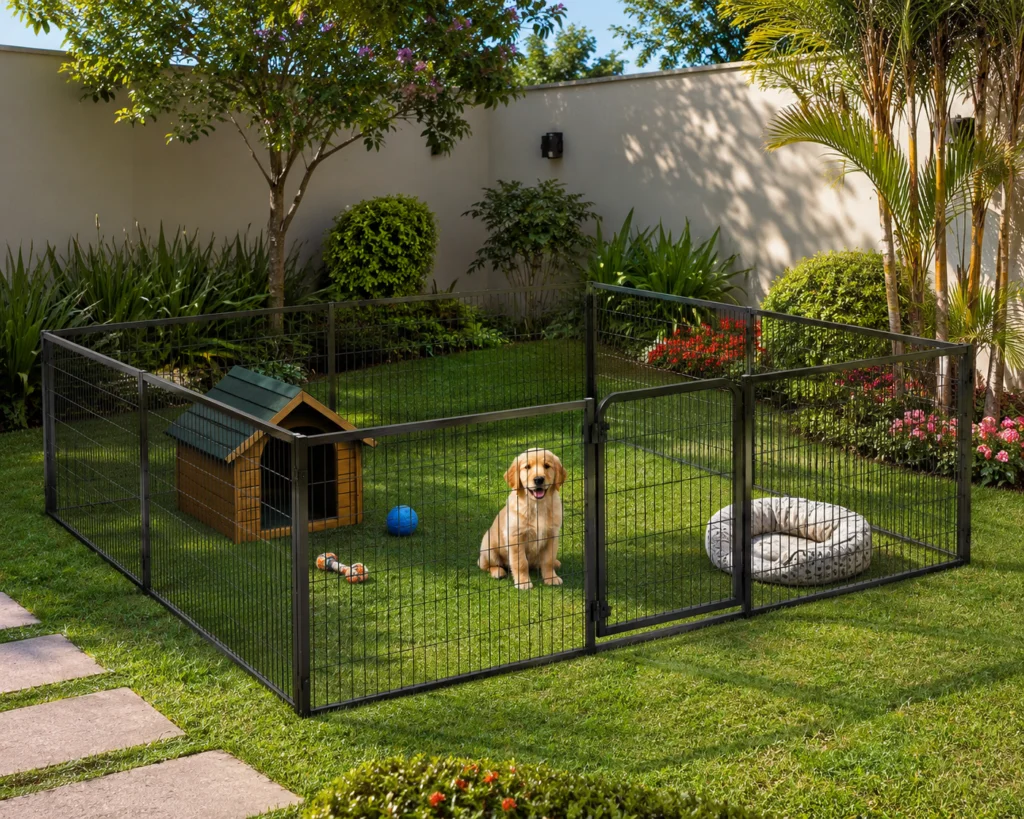
Safe moments for shaded afternoons and paws on the grass. 🐾🌿
You may also like

Lusiane Costa is a digital writer with degrees in Marketing and English Literature.
Creator of Latido Lógico and Logical Bark, she develops evidence-based content on canine aging, wellness, and senior-dog health.
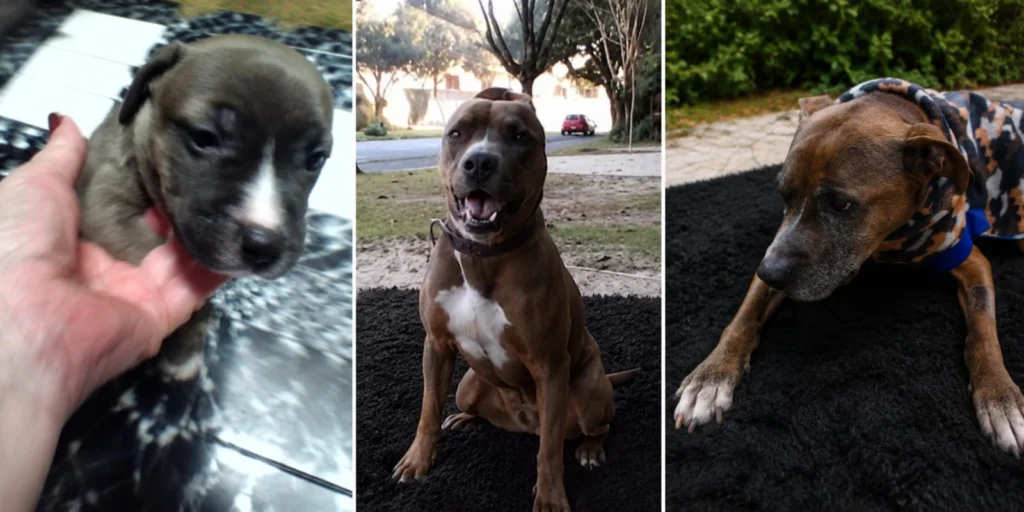
The project was inspired by Goe — a senior dog whose longevity and resilience shaped a grounded, compassionate view on the challenges of aging in pets.
Each article reflects her commitment to transforming real experiences into accessible knowledge, helping owners understand, prevent, and care better for their animals at every stage of life.
Goe remains the heartbeat of this project.