
October 6, 2026
As our dogs age, their nutritional needs change drastically. The immune system may slow down, joints begin to show the wear and tear of the years, and general vitality can decline. It is precisely at this stage of life that natural, high-nutrient-density supplements take center stage. Among them, Spirulina for senior dogs has claimed the top spot on the list of superfoods recommended by integrative veterinarians.
But what exactly is this blue-green microalga? What are the secrets that make it a true elixir for canine longevity? Is it safe for the liver? We will answer all of this and much more below.
What is Spirulina?
Spirulina is a unicellular microalga (a cyanobacterium) that grows in alkaline freshwaters. Scientifically known as Arthrospira platensis, it has a millennia-old history of human consumption and, in recent decades, has been studied and successfully applied in integrative veterinary medicine.
Despite being popularly called an “alga,” its cell wall is composed of soft mucopolysaccharides (rather than hard cellulose like land plants). This means that a dog’s organism—especially that of a senior dog, which often has a more sensitive and slower digestive system—can digest and absorb nearly 100% of its nutrients in an incredibly fast and efficient manner.
What Does Spirulina Contain? (Nutritional Profile)
The true power of Spirulina for senior dogs lies in its dense and diverse nutritional composition, making it frequently considered one of the most complete foods on the planet. Among its main components, the following stand out:
- High-Quality Protein: Contains all essential amino acids, fundamental for preserving lean muscle mass and combating sarcopenia (muscle loss common in old age).
- Chlorophyll: Responsible for its vibrant green color, it acts as a powerful internal antioxidant, helping to oxygenate the blood and promote a natural detoxification of the body.
- Essential Fatty Acids: Such as gamma-linolenic acid (GLA), which possesses potent anti-inflammatory properties.
- B-Complex Vitamins: High concentrations of bioavailable vitamin B12, B1, B2, and B6, essential for energy metabolism and nervous system health.
- High-Absorption Minerals: Iron, zinc, magnesium, potassium, and calcium, which support bones, teeth, and enzymatic processes.
- Phycocyanin: The exclusive pigment responsible for the alga’s bluish hue, globally studied for its antioxidant, immunomodulatory, and protective properties.
The Secrets of Spirulina for Pets: What Nobody Tells You
Beyond the basic nutrients shown on any nutritional table, Spirulina holds some fascinating secrets that explain why it works true miracles in the daily routine of senior pets:
- The Power of Phycocyanin in Cellular Regeneration: Spirulina’s great secret is phycocyanin. It is not just an ordinary antioxidant; studies suggest it has the unique ability to stimulate stem cell production in the bone marrow, aiding in cell renewal and combating oxidative damage caused by advanced aging.
- Silent Prebiotic Effect: Aging alters dogs’ intestinal microbiome, reducing good bacteria. Spirulina acts as a high-efficiency prebiotic, selectively feeding beneficial gut flora without causing gas or irritation, which directly improves immunity (since a large part of a dog’s immunity resides in the gut).
- Mild Natural Chelation: Due to its porous structure and chemical affinity, Spirulina helps bind to toxins and heavy metals mildly in the digestive tract, facilitating the elimination of these substances before they overload the animal’s excretory organs.
Main Benefits of Spirulina for Senior Dogs
For dogs already accumulating a few years under their belt, the inclusion of this superfood brings very clear clinical advantages:
- Advanced Immune Support: Senior dogs’ immunity drops naturally (immunesenescence). Spirulina stimulates macrophage activity and antibody production, leaving the pet more resilient to diseases.
- Joint Relief: Osteoarthritis is the terror of canine old age. The anti-inflammatory action of fatty acids and phycocyanin helps reduce discomfort in the joints, bringing back the desire to walk and play.
- More Energy and Vigor: Thanks to highly bioavailable iron combined with B-complex vitamins, chronic fatigue and apathy give way to a more alert and willing dog in daily life.
- Hydrated Skin and Shiny Coat: Dry skin and dull coats stop being a constant problem, as the nutrients nourish hair follicles from the inside out.
👉 This subject is also related to the content we present in this article: https://logicalbark.com/4-active-ingredients-for-senior-dogs-supplements-that-may-support-joints-mobility-and-quality-of-life/
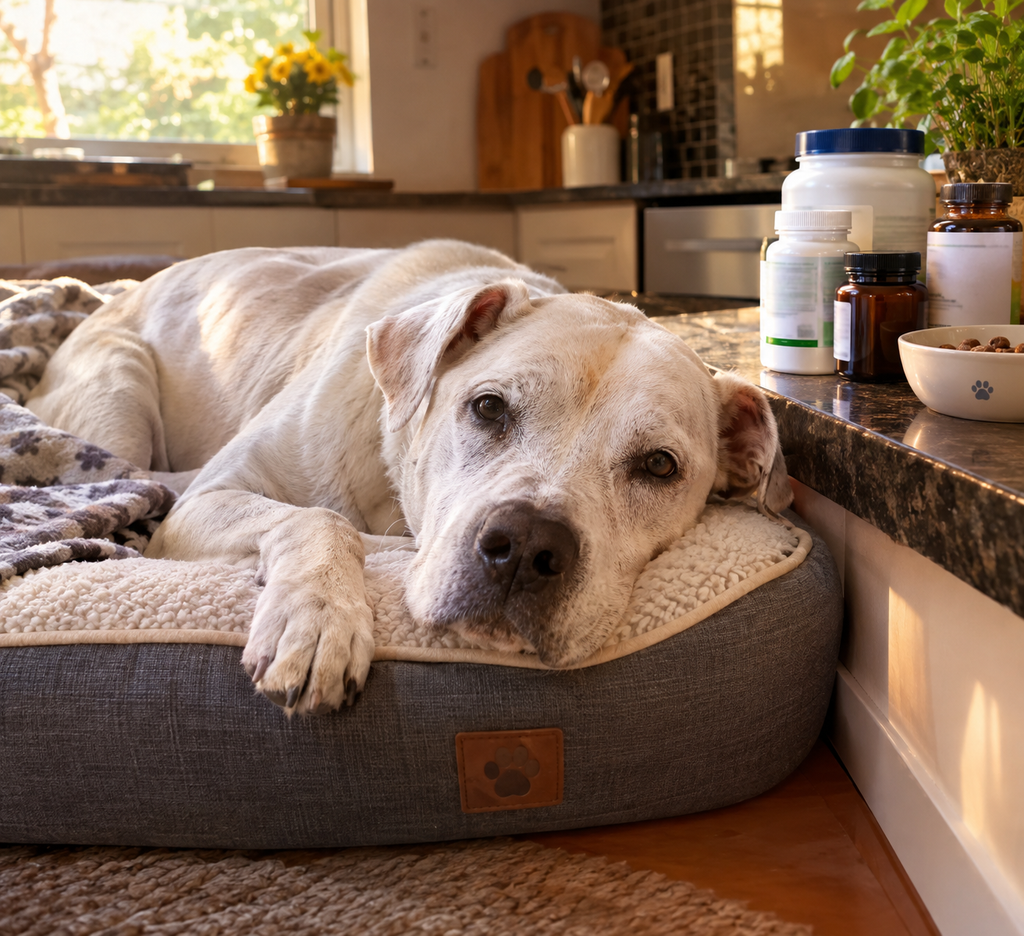
A peaceful and refreshing rest in the dog bed shows why spirulina for senior dogs is the ideal support to ensure more vitality, a strong immune system, and well-being in your best friend’s golden years.
Is Spirulina Bad for the Liver?
One of the most common doubts among cautious pet parents is whether dense supplements can overload vital organs. The direct answer is: no, pure, high-quality spirulina is not bad for the liver; on the contrary, it offers hepatoprotective support and defense.
Scientific studies demonstrate that the powerful antioxidants present in Spirulina (especially phycocyanin and chlorophyll) help protect liver tissue against oxidative stress, toxins, and inflammatory processes, assisting the liver’s natural detoxification function.
⚠️ Major warning: The only scenario in which Spirulina can pose a risk to the liver is if the product is of low quality or dubious origin. Because microalgae absorb everything present in the environment where they are cultivated, algae grown in contaminated waters can accumulate microcystins (toxins) or heavy metals. These are indeed highly hepatotoxic. Therefore, the golden rule is: buy only Spirulina from reputable brands, with purity certificates and analytical accreditation geared toward animal or human consumption.
Important Precautions When Offering Spirulina
Beyond the source, a few points require the pet parent’s attention:
- Thyroid Disorders: Dogs with thyroid problems should have veterinarian clearance before consumption, as the alga contains traces of iodine and marine minerals.
- Gradual Adaptation: Because it is highly detoxifying, starting with the full dose can cause slightly greenish or softened stools in the first few days. Introduction must always be slow.
Is There Spirulina in Dog Food?
Yes! Nowadays, there are high-end commercial foods (Super Premium) and functional treats that already list Spirulina in their composition. However, it is worth noting that in industrial pet foods, the amount tends to be low, serving as a nutritional co-adjuvant. If your goal is therapeutic support focused on old age (joints, immunity, and energy), direct supplementation with powder or compounded capsules ensures exact dose control.
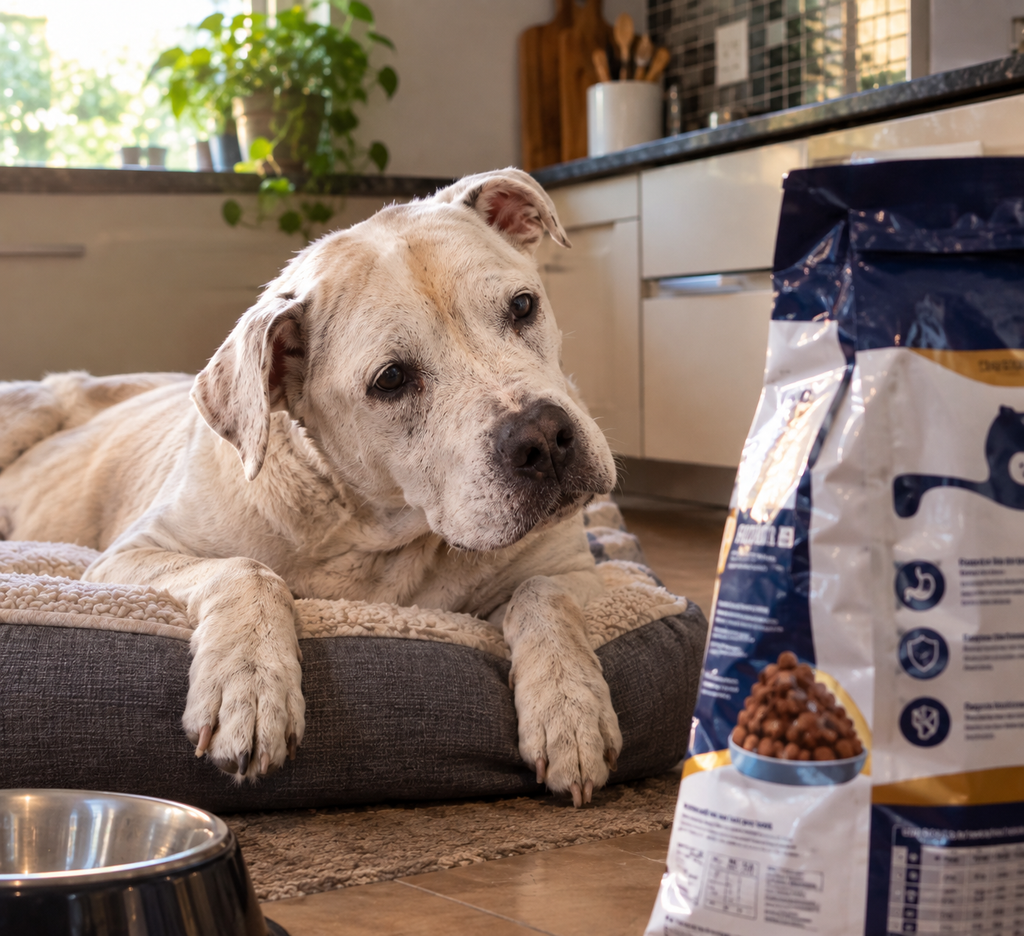
The amount of spirulina in dog food tends to be low, making direct supplementation of spirulina for senior dogs the ideal choice to ensure complete and effective therapeutic support.
What is the Dosage of Spirulina for Dogs?
The exact amount varies according to the animal’s weight and the manufacturer’s directions, but the general safety guideline for dogs usually follows this daily proportion:
- Small Dogs (up to 10 kg): 1/4 teaspoon of powder per day (about 250 mg to 500 mg).
- Medium Dogs (10 kg to 25 kg): 1/2 teaspoon of powder per day (about 1g).
- Large Dogs (above 25 kg): 1 teaspoon of powder per day (about 2g to 3g).
Golden tip: Mix the green powder directly into wet food, a little natural kefir, homemade bone broth, or coconut oil. This drastically improves palatability and makes it easier for the dog to accept.
🩺 Important Tip: As a complement to the article, here is an example featuring the necessary search through your veterinarian: always consult a trusted professional to evaluate the use of spirulina for senior dogs safely and in a personalized way: https://www.amazon.com/dp/B0F3G992L6?tag=logical0f-20
⚠️ Important Veterinary Disclaimer: The information contained in this article is strictly educational and informational in nature. It in no way replaces consultation, diagnosis, or individualized follow-up with a veterinarian. Each senior dog has a unique clinical history with its own metabolic needs and restrictions. Before starting any supplementation—including Spirulina—consult your trusted veterinarian to ensure the product is safe for your pet’s current health stage.
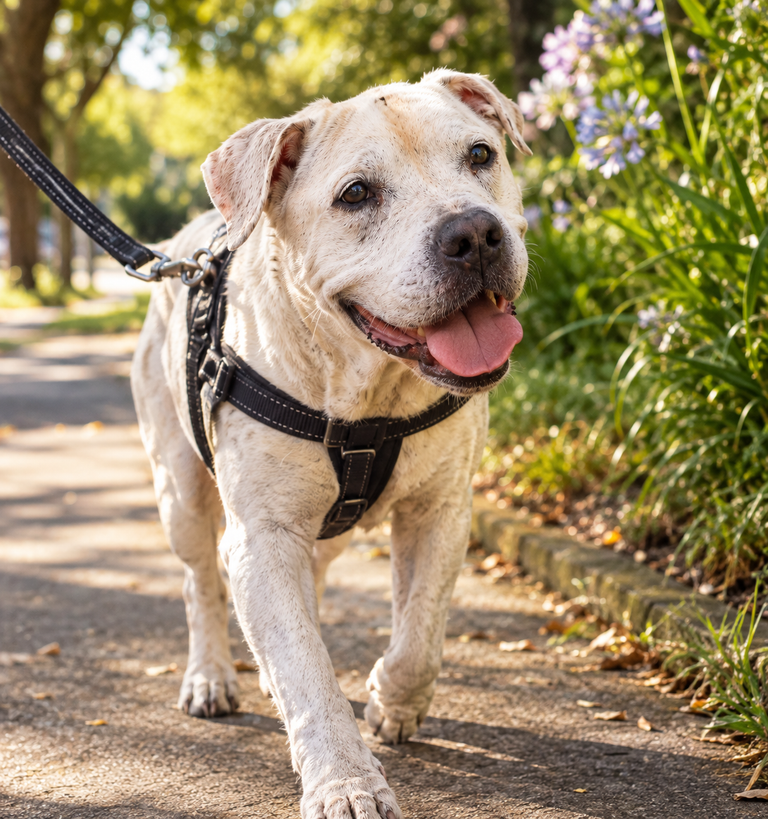
With the right supplementation and plenty of love, senior dogs gain more disposition to live days full of joy, health, and quality of life by our side.

Lusiane Costa is a digital writer with degrees in Marketing and English Literature.
Creator of Latido Lógico and Logical Bark, she develops evidence-based content on canine aging, wellness, and senior-dog health.
The project was inspired by Goe — a senior dog whose longevity and resilience shaped a grounded, compassionate view on the challenges of aging in pets.
Each article reflects her commitment to transforming real experiences into accessible knowledge, helping owners understand, prevent, and care better for their animals at every stage of life.
Goe remains the heartbeat of this project.