
Senior dog showing signs of arthritis.
In senior dogs, it is common for them to show signs of joint wear. This condition can cause pain, difficulty moving, and reduce the animal’s quality of life. Recognizing the symptoms early and adopting the right care is essential to ensure comfort and well-being for your companion.
Main symptoms in senior dogs
- Stiffness when getting up, especially after long periods of rest;
- Difficulty climbing stairs, getting into the car, or performing quick movements;
- Intermittent limping;
- Sensitivity or complaints when touched in certain areas;
- Preference for resting and avoiding active play.
In these situations, products that provide extra comfort and support can help a lot. Orthopedic beds, for example, are designed to reduce pressure points and provide more adequate rest. In addition, specific supplements such as glucosamine and chondroitin can support joint lubrication and improve mobility.
Explore this helpful item → https://amzn.to/3VO4vA8
Essential care to improve the dog’s comfort
1. Short and frequent walks
They prevent sedentary behavior without overloading the joints. Choose cooler times of the day for light walks.
2. Weight control and balanced diet
A healthy diet helps reduce stress on the joints. Excess weight increases wear and pain.
Find additional details → https://logicalbark.com/senior-dog-not-eating-discover-7-causes-and-how-to-help/
3. Supplements and medication
Consult the veterinarian about the use of chondroitin, glucosamine, or pain relievers. Never medicate your dog on your own.
Explore other recommendations →https://amzn.to/488HpeV
4. Veterinary physiotherapy and hydrotherapy
Guided exercises strengthen muscles and relieve pain. Hydrotherapy is excellent for dogs with reduced mobility.
Arthritis in senior dogs
Arthritis is inflammation of the joints that causes pain, swelling, and difficulty moving. It mainly arises from natural aging but can also be linked to genetic factors.
Tips for caring for dogs with arthritis:
- Avoid stairs and slippery floors;
- Provide comfortable beds and non-slip mats;
- Maintain light, regular exercise;
- Follow the treatment prescribed by the veterinarian, including physiotherapy or supplements, if recommended.
Understand the topic better →https://logicalbark.com/exercises-for-senior-dogs-how-to-keep-your-friend-active-and-healthy-in-their-golden-years/
Chewable joint supplements
In addition to veterinary monitoring and prescribed medications, you can ask the professional about chewable supplements with glucosamine and chondroitin. These products are designed to support joint health, helping reduce inflammation and relieve pain typical of canine arthritis.
With all this care, it is possible to improve mobility and the well-being of senior dogs.
Conclusion
The health of senior dogs’ joints depends largely on preventive actions taken throughout life. Simple measures, such as maintaining a balanced diet, offering veterinarian-approved supplements, encouraging age-appropriate exercise, and ensuring regular check-ups, can prevent or reduce the impact of joint problems in the future.
Caring for the joints from an early age is an investment in quality of life, mobility, and well-being, allowing our companions to go through old age with more comfort.
It is also important for owners to pay attention to any signs of discomfort, such as limping, difficulty standing up, or even subtle changes in behavior. Small adjustments at home — like providing softer beds, non-slip flooring, and ramps — can make a big difference to protect the joints and ensure that the senior stage is lived with joy and respect.
At Logical Bark, we believe that caring for a dog’s health is about creating a set of supportive choices that help them age with more comfort, mobility, and dignity. Every step taken today helps ensure a better tomorrow for our loyal companions.
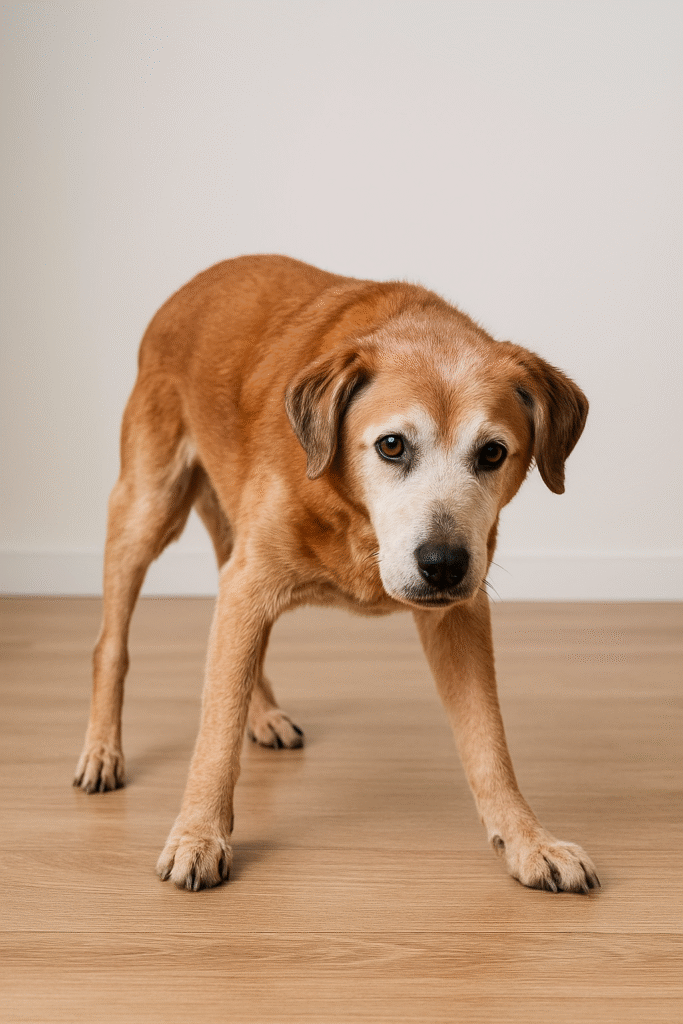
Senior Labrador showing joint stiffness

Lusiane Costa is a digital writer with degrees in Marketing and English Literature.
Creator of Latido Lógico and Logical Bark, she develops evidence-based content on canine aging, wellness, and senior-dog health.
The project was inspired by Goe — a senior dog whose longevity and resilience shaped a grounded, compassionate view on the challenges of aging in pets.
Each article reflects her commitment to transforming real experiences into accessible knowledge, helping owners understand, prevent, and care better for their animals at every stage of life.
Goe remains the heartbeat of this project.