Your dog’s golden years require heightened care. Over the years, a senior dog’s metabolism slows down, vital organs lose some efficiency, and the immune system no longer responds the same way. It is precisely in this scenario that nutrition must be treated with absolute rigor.
Although it is tempting to yield to those begging eyes during meals, many common kitchen foods act as true poisons to a senior dog’s body.
In this article, we will detail the 10 forbidden foods for senior dogs, explain why they are so dangerous, reiterate the importance of daily prevention, and show exactly what to do if accidental ingestion occurs—after all, a piece dropping on the floor can quickly turn into a veterinary emergency.
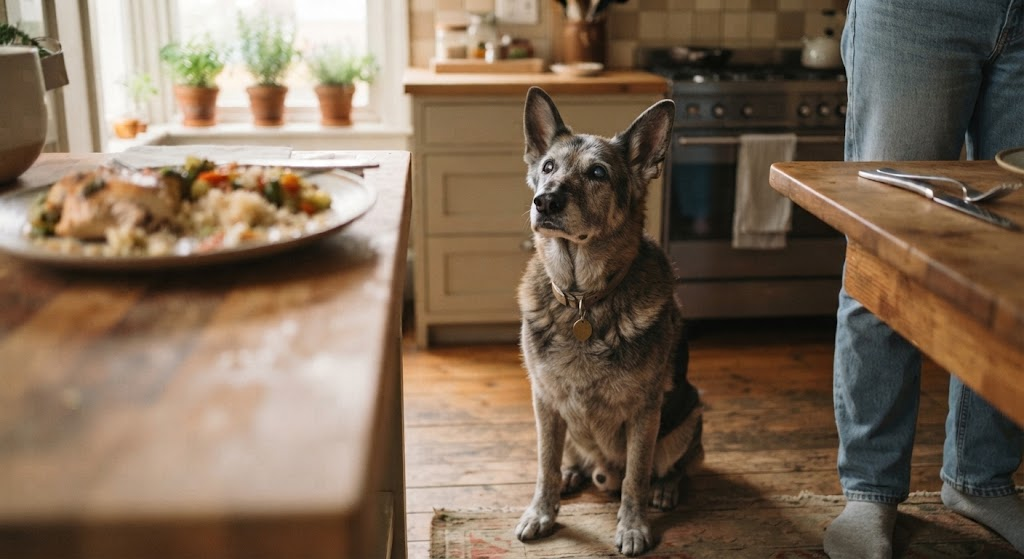
Begging eyes are irresistible, but 10 forbidden foods for senior dogs can put their health at risk.
Why Are Senior Dogs Even More Vulnerable? Before listing the forbidden items, it is important to understand the age factor. Puppies and young adult dogs have a liver and kidneys that, in most cases, can process small amounts of toxins much more easily.
However, the senior dog already shows greater organic wear and tear. A toxic food that would only cause mild discomfort in a young dog can lead to fulminant renal or hepatic failure in a senior pet. Therefore, prevention is the best weapon to guarantee longevity and quality of life.
The 10 Forbidden Foods for Senior Dogs
- Chocolate Chocolate is a classic when it comes to animal toxicity, but the danger here is real and scientific. It contains theobromine and caffeine, substances that dogs cannot metabolize efficiently. The Risk: The darker and purer the chocolate (such as dark chocolate), the higher the concentration of theobromine. In senior dogs, the cardiovascular system is already more fragile, and chocolate can cause severe cardiac arrhythmias, tremors, seizures, and even death.
- Onion and Garlic (Allium Family) Onions and garlic—raw, cooked, powdered, or dehydrated—are highly toxic to dogs. The Risk: They contain sulfur compounds that destroy red blood cells, causing hemolytic anemia. In senior dogs, who often already struggle with lower physical stamina or circulatory issues, the drop in body oxygenation can be catastrophic and silent in the first few days.
- Avocado Avocado is rich in healthy fats for humans, but terrible for pets. The Risk: The fruit contains a toxin called persin, which causes severe vomiting and diarrhea. In addition, avocado is extremely fatty, which can trigger acute pancreatitis—a very serious and painful inflammation of the pancreas, common and dangerous in elderly dogs.
- Coffee and Caffeinated Beverages Coffee, black teas, energy drinks, and sodas contain central nervous system stimulants. The Risk: A senior dog’s heart does not need an overload. Caffeine accelerates heart rate, raises blood pressure, and can provoke severe hyperactivity, muscle tremors, collapse, and heart failure.
- Grapes and Raisins Giving a little grape to your pet might seem harmless, but this is one of the most mysterious and dangerous intoxications in veterinary medicine. The Risk: Both grapes and raisins cause sudden acute kidney failure. The senior dog’s kidney, which already suffers natural wear with age, collapses rapidly after ingestion, even in small amounts.
- Macadamia Nuts Macadamia nuts are delicious for humans, but highly poisonous to dogs. The Risk: Ingestion affects the nervous system, muscles, and digestive tract. The dog may present weakness in the hind limbs (which is especially alarming in senior dogs that already have mobility issues), inability to stand, fever, and abdominal pain.
- Xylitol (Artificial Sweetener) Present in chewing gum, candies, toothpastes, and “diet” or “sugar-free” products, xylitol is a lethal poison for dogs. The Risk: When ingested, the dog’s body mistakes xylitol for glucose and releases a massive amount of insulin all at once. This triggers a drastic and rapid drop in blood sugar (hypoglycemia), leading to seizures, severe liver damage, and coma within minutes.
- Cooked Bones (Chicken, Beef, or Pork) Many pet parents still keep the old habit of giving bones for dogs to chew, but cooked ones are a mortal danger. The Risk: Cooking leaves the bone brittle and fragile. When chewing, it shatters into sharp points that can pierce the animal’s esophagus, stomach, or intestine. For a senior dog, whose healing and intestinal resistance are lower, this represents a surgical risk of extremely high severity.
- Alcohol and Raw Yeast Doughs Alcoholic beverages and raw bread or pizza doughs containing biological yeast should never be reached by the pet. The Risk: Alcohol depresses the central nervous system and causes respiratory failure. Raw dough, on the other hand, ferments inside the dog’s warm stomach, expanding rapidly and producing endogenous alcohol, causing severe gastric distension, unbearable pain, and risk of gastric torsion.
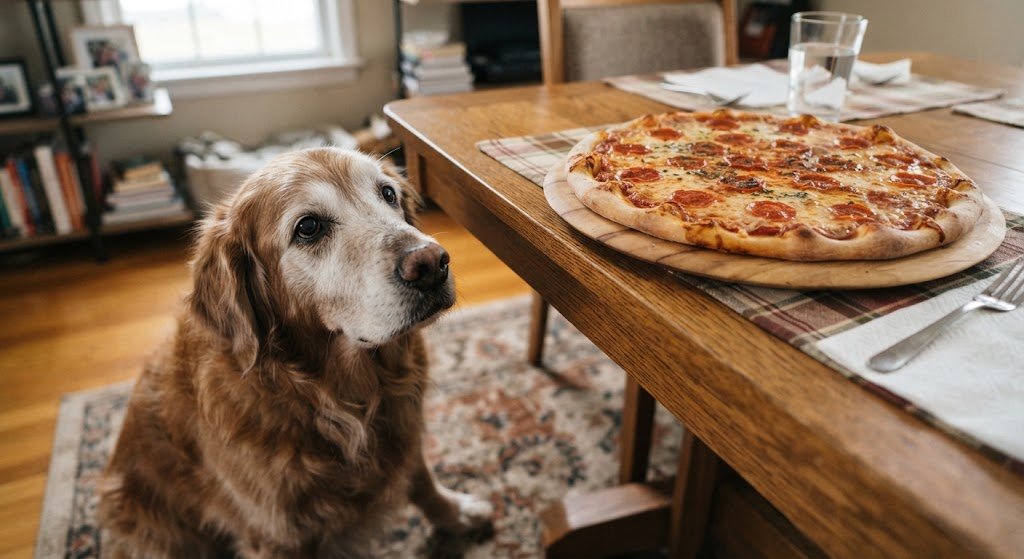
That pizza crust can hide a serious danger: yeasted doughs can generate endogenous alcohol in the stomach, making it one of the 10 forbidden foods for senior dogs.
What is Endogenous Alcohol in a Dog’s Stomach? Endogenous alcohol occurs when fermented doughs or remnants of bread and pizza enter the animal’s stomach and continue fermenting with body heat. This internal fermentation process produces ethanol (alcohol) spontaneously within the organism, causing severe intoxication, severe gastric distension, and risk of collapse, making it part of the list of the 10 forbidden foods for senior dogs.
- Excessively Fatty Foods (Fryer Fats, Cold Cuts) Barbecue leftovers, bacon, sausage, and very fatty meats are part of human menus that many dogs love, but they must stay far away from a senior dog’s bowl. The Risk: The high fat load overloads the digestive system, triggering severe cases of pancreatitis. Senior dogs with pancreatitis suffer from intense abdominal pain, incessant vomiting, and prolonged hospitalization.
The Invisible Danger: Food That Falls on the Floor In kitchen routines, it is very common for a piece of food to fall on the floor during food preparation or while the family is at the table. For a senior dog—who often has a sharp sense of smell but slower reflexes or vision problems—any crumb that falls represents a quick target.
Pieces of chopped onion falling from the cutting board, avocado peels, or a piece of candy that escaped hands can be swallowed in seconds before the pet parent can stop it. Therefore, constant cleaning of the kitchen floor and heightened attention during meals are vital preventive attitudes.
👉 To delve deeper into this topic, also check out this related article: https://logicalbark.com/activated-charcoal-for-senior-dogs-complete-guide/
Home Prevention: Some cautious pet parents always keep an emergency kit with activated charcoal at home to help in cases of accidental ingestion. Remember: use must be done only under the express guidance of your veterinarian. In case of doubt, contact the professional or seek a 24-hour emergency care clinic immediately.
For article completion, here is an example for knowledge: https://amzn.to/4jwSvQs
Our Experience with Goe: Prevention First With our beloved Goe, we took prevention seriously every day. We kept his food bowls far away from the kitchen area, always restricted to his environment and outdoors, precisely to avoid any unwanted access or finding anything along the way.
We never left any type of packaging or food leftovers within his reach. Since Goe was a very curious dog, we avoided any risk of contact with dangerous foods to the maximum. In our case, rigor and constant attention to the environment were the great secrets to ensuring his safety throughout his golden years.
What to Do If Your Senior Dog Eats Something Forbidden? If you caught your dog eating a forbidden food or found evidence that they had access to something toxic, time is the most important factor. Stay calm and follow these fundamental steps:
Keep Packaging and Leftovers: If part of the food, peel, or product packaging remains (especially for chocolates, sweeteners with xylitol, or industrialized foods), save them. This information helps the veterinarian calculate the toxicity level.
Estimate the Ingested Amount: Try to calculate as accurately as possible how much the dog ate. Was it just a small piece or a whole bar?
Note the Time: Remember or write down exactly how long ago the ingestion occurred. Knowing whether the food was consumed 10 minutes ago or 3 hours ago completely changes the medical approach.
Call the Veterinarian Immediately: Do not wait for symptoms to appear. Communicate what happened to your trusted veterinary clinic or a 24-hour emergency facility. Explain the dog’s age, approximate weight, what food it was, the amount, and the time.
DO NOT Try to Induce Vomiting on Your Own: Never force the animal to vomit using home remedies (such as salty water or hydrogen peroxide) without the direct guidance of a professional. In senior dogs, incorrect maneuvers can cause gastric contents to enter the lungs, causing highly severe aspiration pneumonia.
Protecting your four-legged companion in their golden years is an act of love and daily care. Keep dangerous foods out of reach, redouble attention to what falls on the floor, and ensure their old age is synonymous with peace and health by your side.
After all, these are accounts of care routines that demand a human vision that automated responses cannot copy.
Legal Notice (Disclaimer): This content is exclusively informative and educational, and does not substitute in any way the diagnosis, monitoring, or guidance of a veterinarian. In case of suspected ingestion of toxic foods or an emergency, immediately seek professional care.
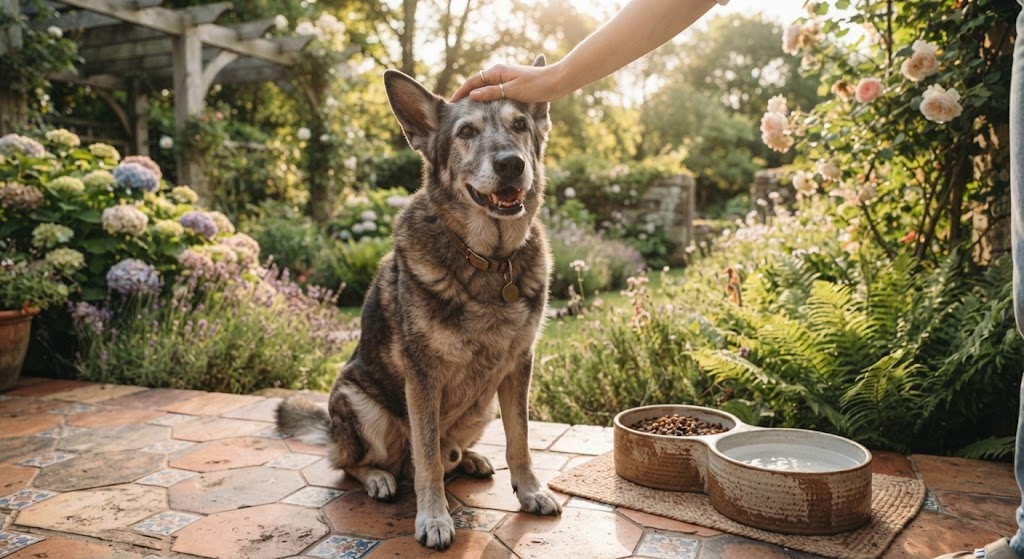
With the necessary care regarding your senior dog’s nutrition, their aging process can be very healthy and with a high quality of life.

Lusiane Costa is a digital writer with degrees in Marketing and English Literature.
Creator of Latido Lógico and Logical Bark, she develops evidence-based content on canine aging, wellness, and senior-dog health.
The project was inspired by Goe — a senior dog whose longevity and resilience shaped a grounded, compassionate view on the challenges of aging in pets.
Each article reflects her commitment to transforming real experiences into accessible knowledge, helping owners understand, prevent, and care better for their animals at every stage of life.
Goe remains the heartbeat of this project.