February 10, 2026
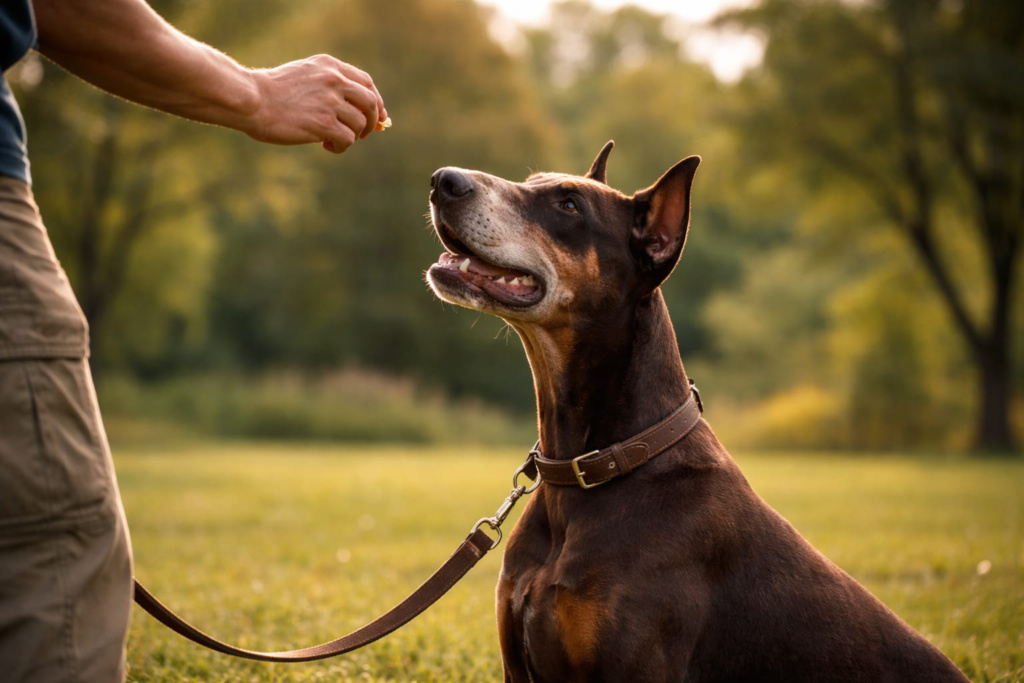
Why the dog needs an alpha: clear direction avoids confusion and favors stable aging
Understanding why the dog needs an alpha is essential for those who want to build a balanced, safe, and healthy coexistence throughout the animal’s entire life. Leadership is not authoritarianism nor an “old theory”: it is a practical reference in the dog’s communication. Dogs need direction, predictability, and guidance. When this is not established early, behavioral confusions arise that tend to worsen over time.
Since puppyhood, the dog observes, tests limits, and learns by association. When there is no clear figure of leadership, the animal takes up decision-making spaces that do not belong to it. This does not happen out of malice nor by “trying to dominate,” but due to a lack of guidance. The dog interprets patterns, hierarchy, and consistency — and adjusts behavior based on that.
Why the dog needs an alpha in real life: concrete experience with my senior pitbull
In a real coexistence with my pitbull that reached 16 years old, it became evident how the leadership built at the beginning makes a difference when the body changes. A strong, large dog goes through life with very distinct phases: high energy in youth, maturity in adulthood, and, in the senior phase, the need for more frequent handling. When direction exists early, the dog cooperates better, accepts limits with less resistance, and deals with routine adjustments more steadily.
The elderly phase requires adaptations: changes in walking pace, space adjustments, greater attention to discomforts, handling in routine care and, in many cases, in veterinary treatment. All of this becomes more manageable when leadership is consolidated beforehand. Early leadership does not reduce affection; the bond is organized and confusion is avoided.
Why the dog needs an alpha: reference, routine, and resource control
Understanding why the dog needs an alpha helps avoid common mistakes, such as allowing the animal to decide schedules, spaces, and resources. Food, toys, walks, and rest need to happen under the tutor’s guidance. When the dog starts to control these elements, a role reversal is created that, at first, may seem harmless, but tends to generate anxiety, reactivity, and insecurity.
Discover this recommended choice → https://amzn.to/4aml1Ot
Check this well-rated option → https://amzn.to/4krPU8N
In large dogs — pitbulls, rottweilers, shepherds, and other strong dogs — this leadership becomes even more important. A large dog without a clear reference can knock people down, react impulsively, or develop behaviors that are difficult to handle in adulthood and, especially, in old age. Leadership does not serve only to “educate”: it serves to protect the animal itself.
Signs that clear leadership is missing
The lack of leadership appears in everyday life in an objective way. A single “unique problem” does not always arise; a set of behaviors that repeat themselves usually forms:
- Insistence that becomes a rule: the dog barks, nudges, jumps, or demands until it gets what it wants.
- Space control: it resists when someone reorganizes the sofa, bed, doors, or resting places.
- Reactivity: exaggerated responses due to lack of consistent direction.
- Restlessness and anxiety: increase when the environment becomes unpredictable.
These signs seem small at first, but they intensify over time. And, in the senior phase, the weight of this tends to appear more strongly, because tolerance to stress decreases.
Aging changes the game: why leadership becomes even more necessary
The importance of the alpha does not disappear with aging. On the contrary: when the dog ages, the body changes, cognition may undergo alterations, and tolerance to stress decreases. A dog that grew up without clear limits tends to show more behavioral confusion in the senior phase. But one that had consistent leadership since young ages with more stability, predictability, and confidence in the environment.
A central point comes in here: in old age, the tutor starts to need cooperation in situations that were not as frequent before. Medication, hygiene, visits to the veterinarian, punctual restrictions of movement, and adaptations at home require acceptance. When direction is built throughout life, the dog accepts adjustments better and cooperates with less resistance.
Practical examples: bed, toys, and attention
A classic example involves the habit of sleeping in the tutor’s bed. For the human, this represents affection. For the dog, it represents access to a space of high hierarchical value. When this happens without criteria, the animal may interpret that it occupies an equivalent or superior position. Over time, resistances, possessiveness, and difficulty accepting limits arise. Offering a proper resting place does not mean rejection; it means organization of space.
Explore more information on the topic → https://logicalbark.com/%f0%9f%90%be-top-5-comfortable-beds-for-senior-dogs-giving-your-best-friend-the-rest-they-deserve/
The same applies to toys and attention. When the dog bites an object, barks, or insists until it receives what it wants, it learns that insistence works. The tutor, without realizing it, reinforces the behavior. Leadership requires resource control: the toy is offered at the appropriate time, removed when necessary, and reintroduced according to clear rules. Thus respect is built, not fear.
Leadership is not imposed by force: it is built by consistency
Understanding why the dog needs an alpha involves understanding that leadership is not imposed by force, but by consistency. Clear commands, predictable routines, and coherent responses form the basis of training. The dog feels safer when it knows what to expect and when it perceives that someone guides the environment.
Many problems attributed to the dog’s “stubbornness” or “personality” reflect a lack of direction. Separation anxiety, destruction of objects, excessive barking, and compulsive behaviors often arise in contexts where the dog needed to make decisions alone. Leading means removing this weight from the animal.
How this affects aging: what improves and what gets worse
In old age, this structure shows its effects clearly. Dogs that grew up under consistent leadership adapt better to physical limitations, accept routine adjustments, and show less resistance to changes. Aging becomes more predictable and comfortable for the dog and for the tutor.
But when leadership fails early, the senior phase tends to be more difficult: the dog resists handling more, “demands” more, controls more spaces, and tolerates fewer frustrations. Direction organized from youth avoids late corrections, which almost always cost more energy and generate more tension.
Conclusion
Understanding why the dog needs an alpha is understanding that the tutor’s role is not to please all the time, but to guide with responsibility. When leadership is clear, the dog relaxes. When direction exists, behavior organizes itself. And when there is structure from a young age, aging occurs with more balance, safety, and well-being.
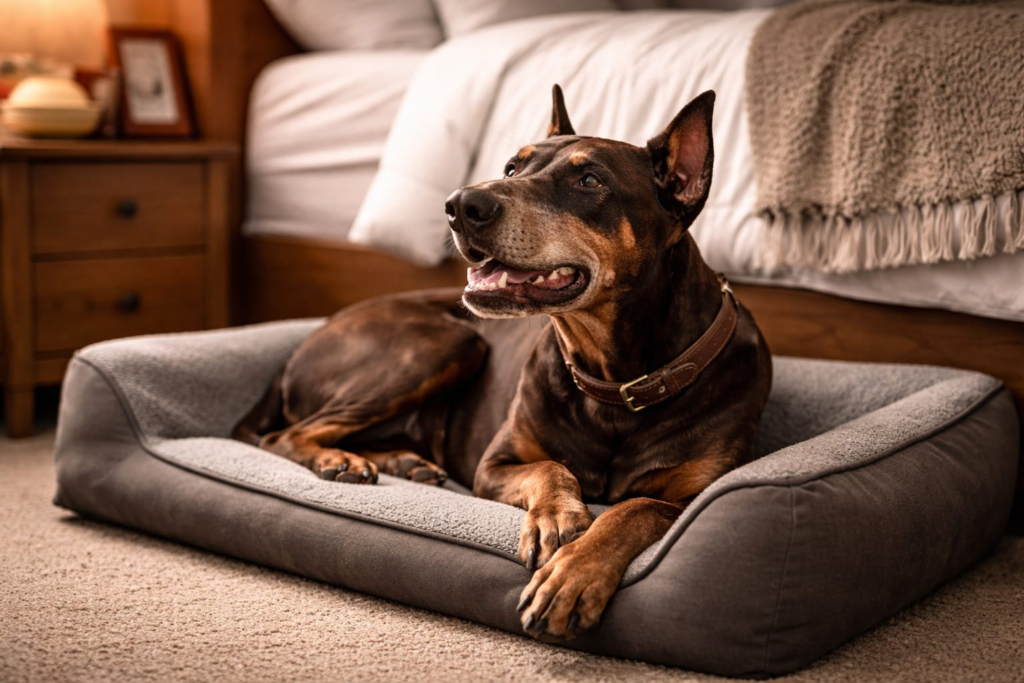
When leadership exists, the dog relaxes — and rest happens in the right place
You may also like

Lusiane Costa is a digital writer with degrees in Marketing and English Literature.
Creator of Latido Lógico and Logical Bark, she develops evidence-based content on canine aging, wellness, and senior-dog health.
The project was inspired by Goe — a senior dog whose longevity and resilience shaped a grounded, compassionate view on the challenges of aging in pets.
Each article reflects her commitment to transforming real experiences into accessible knowledge, helping owners understand, prevent, and care better for their animals at every stage of life.
Goe remains the heartbeat of this project.