March 23, 2026
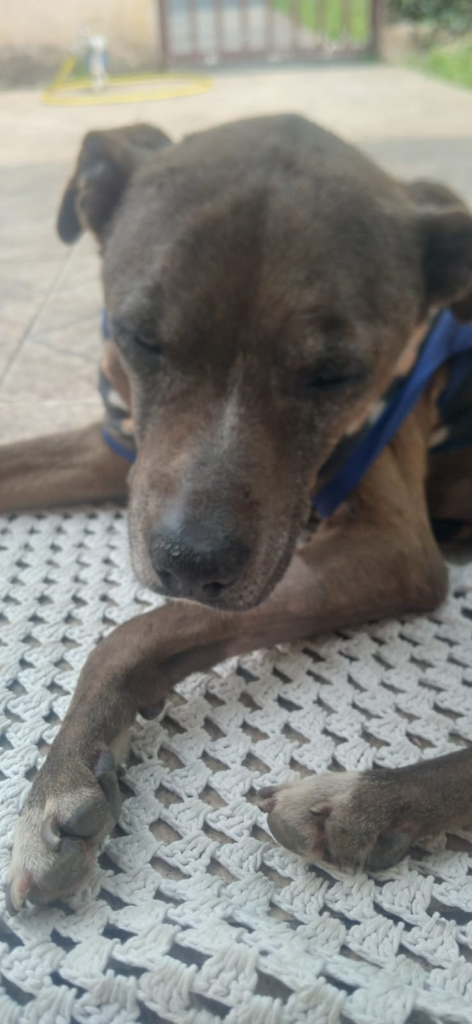
Following the examinations, increasing fatigue also became noticeable — one of the reasons we started looking more closely at why is my dog limping.
Limping may begin subtly, but in many dogs it is one of the first signs that mobility is being affected by weakness, instability, or a more serious health problem.
Limping is one of the signs that most concern dog owners when it begins to appear in a dog’s daily routine. In many cases, it does not start suddenly, but through gradual changes in gait, body support, and the way the dog begins moving around the house. For that reason, noticing these early signs can make a real difference in how the problem is understood.
When a dog begins to limp, the owner does not always immediately connect this behavior to a mobility problem. Many times, the first thought is that the dog is simply tired, slipped, slept in an awkward position, or is just having a slower day. However, when limping begins to repeat itself, the body is already showing that something deserves closer attention.
In older dogs, limping may be related to different causes. Some of the most common include joint changes, inflammation, muscular weakness, natural wear of the locomotor system, and even neurological conditions. In other words, the limp may be the first sign the owner notices, but the origin of the problem is not always limited to the leg itself.
In GOE’s case, limping was not an isolated detail. It became part of a broader and more concerning picture. Before there was a fully visible decline in mobility, one of the first signs that called attention was trembling in the leg. It was not constant all the time, but it appeared in certain moments and showed that the leg was no longer supporting movement with the same steadiness. After that, another change became more visible: he started limping.
In cases of more sensitive mobility, some veterinarians may also recommend nutritional support aimed at joint comfort and mobility, depending on each dog’s condition.
👉 See one option used to support canine mobility: https://amzn.to/4lRtvmc
Important: supplements do not replace veterinary evaluation. Every dog has specific needs, and any recommendation should respect the individual clinical condition.
This is important because it shows that limping does not always begin with a major limitation or with an obvious inability to walk. In many dogs, the body first shows smaller signs, such as trembling, reduced support, weight shifting, or the beginning of lameness. These are subtle signs, but they matter.
1. When limping begins in a subtle way
In daily life, limping may start in an almost imperceptible way. The dog may place less weight on one paw, hesitate for a few seconds before walking, reduce the firmness of the step, or show mild insecurity during certain movements. On slippery floors, this may become even more noticeable, because the body needs greater stability to maintain balance.
This kind of change is often mistaken for temporary tiredness, especially when the dog is still able to move around. However, when the pattern begins to repeat itself, it deserves closer observation. The fact that the dog is still walking does not mean mobility is preserved in the same way.
2. What can cause limping in dogs
There are different causes behind limping. One of the most frequent is joint aging. Over time, the joints go through progressive wear, cartilage becomes less efficient, and support is no longer as stable as before. This process can cause the dog to limp, place less weight on one leg, or walk more cautiously.
Another important factor is muscular weakness. Loss of muscle strength is relatively common in older dogs, especially when discomfort leads to reduced movement. The less a dog moves, the more the muscles lose their ability to provide proper support. This weakening can contribute to trembling, instability, and difficulty supporting the body correctly.
Neurological changes should also be considered. In some cases, limping is not related only to the joints or muscles, but to problems involving the spine, nerves, or coordination. In these situations, the dog may show not only limping, but also less stability while walking, difficulty maintaining balance, and irregular support.
3. Trembling and limping as early signs
In GOE’s case, two signs stood out in the beginning: the leg trembled and, soon after, he began to limp. This progression is very relevant because it shows that mobility problems often give warnings before they become more evident.
Trembling may indicate instability, muscular overload, or an attempt at compensation. Limping, on the other hand, signals that the dog is no longer using the leg with the same natural movement as before. In some cases, lameness appears first only at certain moments of the day. Later, it becomes more frequent and more noticeable.
These signs should not be dismissed when they begin to repeat themselves. Limping and trembling may be some of the first indications that there is a mobility limitation or a health condition developing.
4. What to observe in the dog’s routine
Besides limping and trembling, the owner may notice other changes in daily life. The dog may become more cautious while walking, avoid certain movements, have more difficulty getting up, or change the way it lies down and repositions the body. Some dogs begin to place more weight on the front legs, others reduce the pace of their walks, and some start taking more pauses during short movements.
Inside the house, these signs may appear in small details: the dog takes longer to get moving, avoids slippery floors, prefers firmer support areas, or changes position more slowly. None of these signs alone provides a full diagnosis, but together they help the owner realize that mobility is no longer the same.
5. Why these signs should not be trivialized
When limping appears gradually, many owners try to explain it only by age. Aging does change the dog’s body, but that does not mean that every limp, every tremor, or every support difficulty should be seen as irrelevant. In many cases, these signs represent the beginning of a condition that may become more significant over time.
In GOE’s case, the trembling in the leg and the beginning of limping were important because they showed early on that there was a problem interfering with mobility. These first signs helped make it clear that it was not just a passing fluctuation, but a physical change that needed to be understood within the broader context of his health. At that stage, it was still uncertain whether the issue could be related to a bone infection or to osteosarcoma, which made the situation even more difficult and emotionally demanding.
This kind of perception matters because the body usually gives warnings first. Many times, an attentive owner notices small changes before the limitation becomes more obvious. And it is precisely in this careful observation that more responsible care begins.
Conclusion
If you have been asking yourself, why is my dog limping, the answer may range from something mild to a more significant mobility issue. Limping may begin with subtle signs such as trembling, reduced support, and more cautious movement. Even though not every isolated episode points to a serious problem, repeated limping deserves attention, especially in older dogs.
In GOE’s case, the trembling leg and the beginning of lameness were among the first warnings that mobility was already being affected by an underlying health condition. That experience reinforces an important truth: a dog’s body often shows small changes before the full problem becomes obvious.
Read more here: https://logicalbark.com/why-does-a-dog-lick-its-paw-could-it-be-joint-pain/
Observing these details carefully helps owners understand what may be happening and realize that, many times, good care begins with the correct reading of the first signs.
Disclaimer: This content is for informational and educational purposes only and does not replace veterinary evaluation, diagnosis, or treatment. Limping, trembling, weakness, and mobility changes should always be assessed by a veterinarian, especially when they become frequent, progressive, or appear together with pain, instability, or visible physical decline.
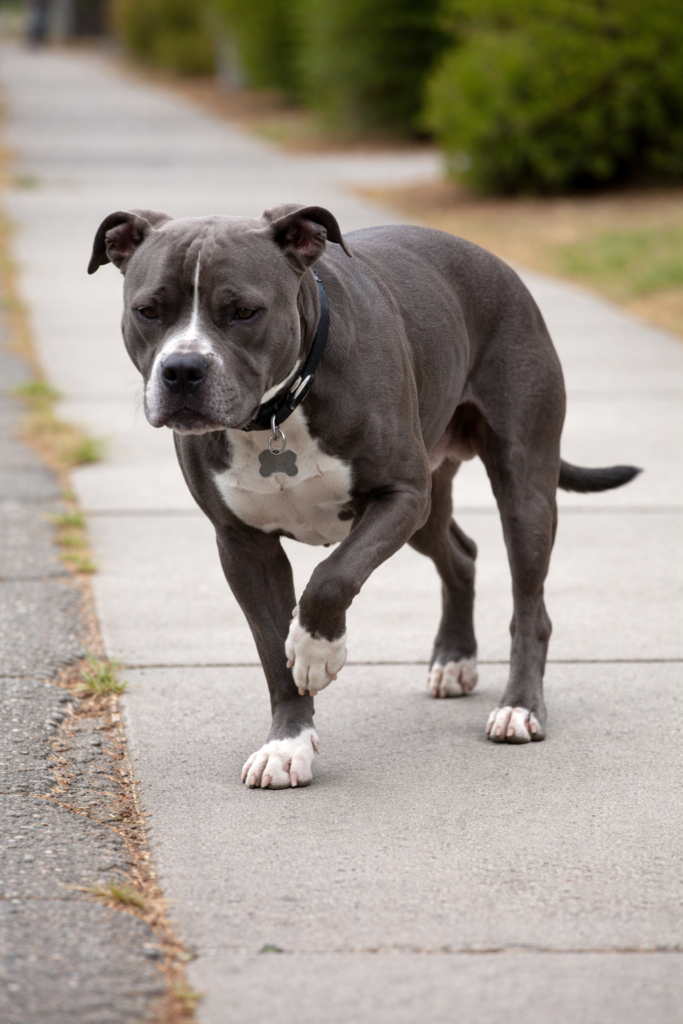
A limp may seem small at first, but it deserves careful attention
You may also like


Lusiane Costa is a digital writer with degrees in Marketing and English Literature.
Creator of Latido Lógico and Logical Bark, she develops evidence-based content on canine aging, wellness, and senior-dog health.
The project was inspired by Goe — a senior dog whose longevity and resilience shaped a grounded, compassionate view on the challenges of aging in pets.
Each article reflects her commitment to transforming real experiences into accessible knowledge, helping owners understand, prevent, and care better for their animals at every stage of life.
Goe remains the heartbeat of this project.