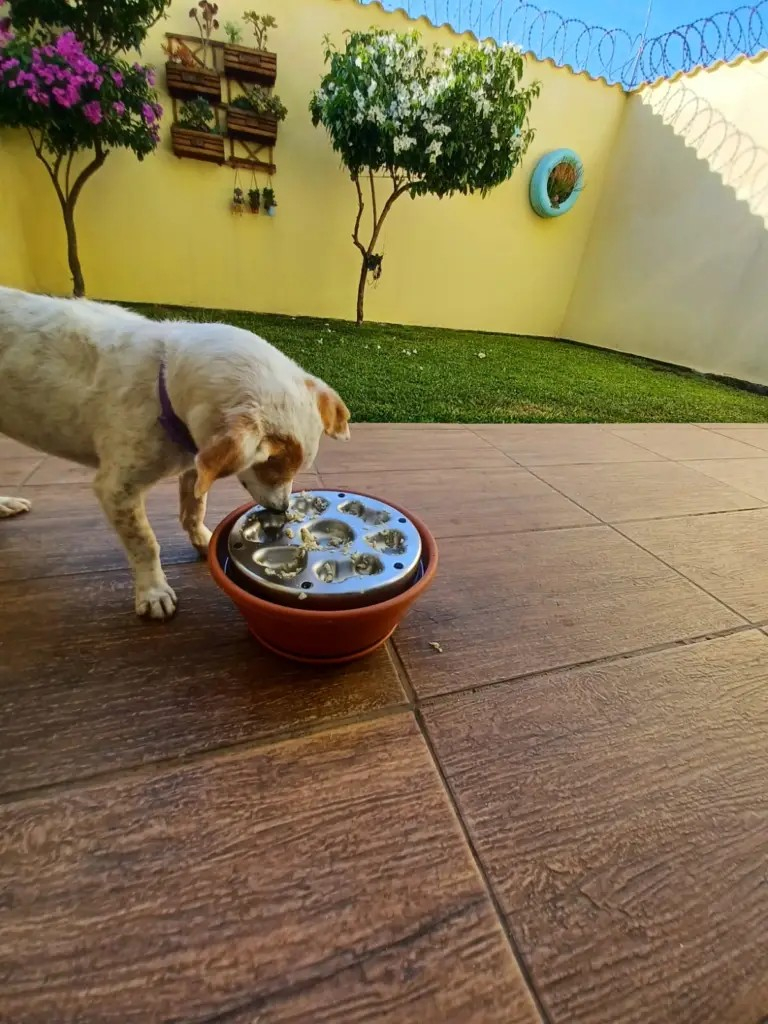
LOLI during a guided feeding routine, highlighting the importance of gut health in dogs.
The gut plays a central role in maintaining overall health in dogs, especially in senior dogs. Recurrent digestive changes or behavioral shifts are often interpreted as isolated episodes when, in reality, they indicate that the dog’s gut is no longer able to sustain systemic balance.
In senior dogs, this intestinal imbalance tends to have amplified effects. Aging, combined with genetic, dietary, and immunological factors, makes the canine gut more vulnerable to persistent inflammatory processes, which may trigger systemic manifestations.
The Dog’s Gut as the Core of the Immune System
A significant portion of the body’s immune cells is closely linked to intestinal integrity in dogs. When the intestinal lining becomes inflamed or compromised, intestinal permeability increases, favoring dysregulated immune responses. In senior dogs, this process may initially occur silently but tends to progress over time.
This pattern is commonly observed in cases of Inflammatory Bowel Disease (IBD), a condition in which the dog’s gut remains in a state of chronic inflammation, sustaining continuous immune stimulation.
Loli’s Experience and the First Intestinal Signs
In Loli’s case, the gut was the first system to signal that something was not functioning properly. From an early age, recurrent episodes emerged alongside behaviors associated with gastrointestinal discomfort, such as frequent grass eating and persistent licking of surfaces.
Over time, these signs ceased to be sporadic and began to indicate an ongoing intestinal process. Initially, the symptoms were attributed to food and skin allergies, leading to successive food changes and attempts at natural diets, without long-term stabilization.
When the Dog’s Gut Affects Skin and Joints
As the intestinal imbalance persisted, manifestations appeared in other systems. Skin changes, excessive licking, and later joint-related signs became part of the clinical picture. This progression is not uncommon in senior dogs with chronic intestinal inflammation.
Sustained immune activation driven by the dog’s gut may be reflected in the skin and joints through immune-mediated conditions, such as polyarthritis, making clinical stabilization more difficult when only external symptoms are addressed.
Intestinal Support as a Foundational Strategy
Given the persistence of symptoms, Loli’s management began to prioritize gut support as the central axis of care. The approach shifted away from food exclusion alone and toward strengthening the intestinal microbiota and the mucosal barrier.
👉 Within a global care approach, joint supplements may contribute to senior dog well-being. See some well-reviewed supplements: https://amzn.to/3NtTNh9
Beyond anti-inflammatory support, some veterinary protocols include specific probiotics for dogs, aiming to assist in microbiota balance and digestive response, especially in sensitive or senior animals.
👉 See recommended veterinary probiotics for dogs: https://amzn.to/49Dd6fp
Every Dog Is Unique: The Importance of Veterinary Evaluation
Dogs do not respond in a standardized way. Each senior dog presents a unique clinical history, degree of inflammation, and individual sensitivities. Any dietary adjustment or use of supplements should be discussed with a veterinarian.
The information presented in this article does not replace clinical evaluation, diagnostic testing, or professional guidance. Veterinary follow-up is essential, especially for senior dogs or those with associated chronic conditions.
The Dog’s Gut as the Foundation of Quality of Life
Loli’s trajectory reinforces an essential point: the dog’s gut is a regulatory axis of systemic health. When intestinal balance is compromised, skin, joints, and behavior tend to reflect this imbalance.
At Latido Lógico, we understand that caring for the dog’s gut — especially in senior dogs — is a decision that directly impacts quality of life over time. Evidence-based decisions, veterinary follow-up, and individualized strategies sustain responsible and coherent care.
Related content: https://logicalbark.com/natural-supplements-to-strengthen-senior-dogs-joints/
More than treating isolated signs, viewing the dog’s gut as a starting point allows for safer and more effective pathways to well-being during sensitive stages of canine life.

LOLI happy, playing after a properly structured feeding routine.
You may also like
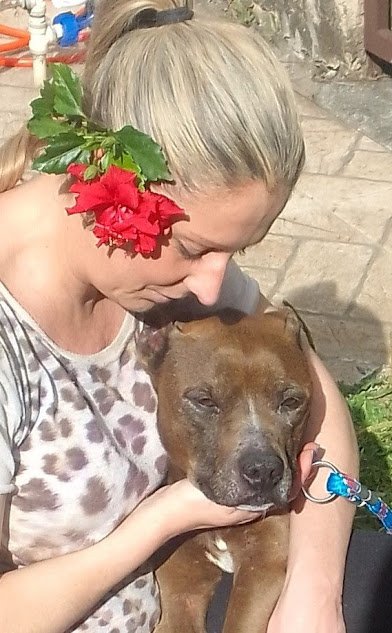

Lusiane Costa is a digital writer with degrees in Marketing and English Literature.
Creator of Latido Lógico and Logical Bark, she develops evidence-based content on canine aging, wellness, and senior-dog health.
The project was inspired by Goe — a senior dog whose longevity and resilience shaped a grounded, compassionate view on the challenges of aging in pets.
Each article reflects her commitment to transforming real experiences into accessible knowledge, helping owners understand, prevent, and care better for their animals at every stage of life.
Goe remains the heartbeat of this project.
[…] Deepen your understanding →https://logicalbark.com/when-the-gut-of-senior-dogs-becomes-the-starting-point-lolis-experience/ […]
[…] Discover more details in this post → https://logicalbark.com/when-the-gut-of-senior-dogs-becomes-the-starting-point-lolis-experience/ […]