
Quiet Moments That Reveal What Senior Dogs Feel
Sometimes I watch Goe quietly resting, going through a health issue, and I wonder what senior dogs feel in those moments of silence. Some show discomfort very clearly; others remain calm, even while in pain. This variation in response is precisely the alert: every dog reacts differently, and recognizing emotional signals is an essential part of care.
This practical guide describes what senior dogs feel based on observable signs from their daily behavior, without romanticizing. The idea is to help the guardian read what the dog communicates — through the body, the gaze, and the routine.
What Senior Dogs Feel: Most Common Emotions
Functional serenity — a preference for predictable environments, stable routines, and fewer stimuli. It’s common for the dog to choose the same spot to rest and avoid new situations.
Attachment and seeking proximity — not necessarily wanting “affection” all the time; often it’s simply the need to have the guardian close as a reference of safety.
Insecurity or caution — partial loss of vision, hearing, or mobility can cause hesitation when getting up, climbing stairs, or walking on smooth floors.
Discomfort or pain — not always expressed through whining. Subtle signs: changes in how they lie down, reluctance to move a joint, fragmented sleep, withdrawal.
Selective interest — senior dogs tend to prioritize low-energy activities (watching, slow sniffing, palatable meals) and avoid excessive stimulation.
Practical Signs to Interpret What Senior Dogs Feel
Posture and transitions — observe how they stand up, lie down, and change sides. Slowness or consistently protecting a limb suggests discomfort.
Facial expression — a more “fixed” or distant look may indicate fatigue or low-grade, constant pain; slight flinching when touched suggests hypersensitivity.
Sleep rhythm — increases or disruptions in sleep may signal adaptation, nighttime pain, or the need for environmental adjustments (temperature, bedding, noise).
Food intake — pickiness, decreased appetite, or preference for wet food may indicate oral pain, mild nausea, anxiety, or simply a search for palatability.
Movement and choice of spaces — avoiding stairs, slippery floors, and busy areas is the dog’s way of “saying” what feels comfortable for them.
See options that combine usefulness, protection, and comfort: https://amzn.to/4aBF4Kw
What Senior Dogs Prioritize in Daily Life
Predictability — consistent schedules for medication, meals, and rest reduce anxiety and make it easier to detect changes.
Thermal and tactile comfort — soft bedding, firm support (non-slip rugs), and temperature control reduce muscle tension and postural effort.
Low social friction — calmer environments, controlled visits, and simpler routines preserve energy and prevent sensory overload.
Palatable nutrition — moist and slightly warmed textures (within veterinary safety) often help maintain interest in food.
➡️ Recommended Beds for Comfort and Support: https://amzn.to/4j3CyPL
Quietness Is Not the Absence of Pain: How to Tell the Difference
A key point in interpreting what senior dogs feel is understanding that stillness may mean comfort, but it may also be a strategy to conserve energy. Three objective clues help:
Response to touch — if there’s withdrawal, stiffness, or a change in expression when palpating an area, investigate localized pain.
Micro-behaviors — repeatedly licking a spot, changing position several times, or holding up a paw indicate discomfort.
Daily variation — worsening in the morning (stiffness) or at night (fatigue) helps adjust pain management and routine with the vet.
How to Adjust the Routine Based on What They “Say”
Map patterns — note the times of greatest energy, appetite, sleep, and discomfort; small daily notes guide better decisions.
Adapt the environment — reduce slipping (rugs), raise the bowl to a suitable height, and ease access to their favorite spot.
Break stimuli into smaller portions — divide walks into short segments, keep interactions calm and purposeful, avoid abrupt changes.
Combine pain management and palatability — follow the prescription and adjust food presentation to maintain adequate intake.
Reevaluate periodically — if the “silence” changes (more withdrawal, less appetite, restless sleep), inform the vet; the plan may need adjustments.
Some senior dogs may also need extra support to handle anxiety or routine changes. In certain cases, the veterinarian may recommend natural calming supplements specifically for dogs, with gentle and safe formulas: https://amzn.to/44XwLoK
Always remember: use should always be guided by a professional.
Conclusion: Observe Before Acting
When we think about what senior dogs feel, the most honest answer is: it depends on their temperament and their moment. Some maintain functional serenity even with illness; others alternate between comfort and caution. The guardian’s role is to observe, record, and adjust. Prolonged quietness accompanied by subtle changes — posture, appetite, choice of space, micro-expressions — deserves attention, as it may indicate low-grade, constant pain.
With a technical yet appropriately affectionate approach, it’s possible to offer a routine that respects limits and preserves interest, appetite, and rest. Instead of guessing, describe what you see and take it to the vet: behavior is clinical data. This way, everyday observation becomes effective care.
Related content: https://logicalbark.com/how-to-prepare-your-home-for-a-senior-dog/

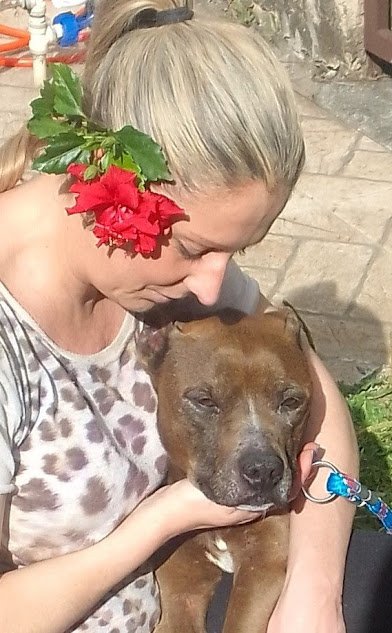
Senior dog expressing confidence and serenity
Related content

Lusiane Costa is a digital writer with degrees in Marketing and English Literature.
Creator of Latido Lógico and Logical Bark, she develops evidence-based content on canine aging, wellness, and senior-dog health.
The project was inspired by Goe — a senior dog whose longevity and resilience shaped a grounded, compassionate view on the challenges of aging in pets.
Each article reflects her commitment to transforming real experiences into accessible knowledge, helping owners understand, prevent, and care better for their animals at every stage of life.
Goe remains the heartbeat of this project.
[…] Check another text that complements this topic →https://logicalbark.com/what-senior-dogs-feel-emotional-signs-and-how-to-interpret-them/ […]