February 4, 2026
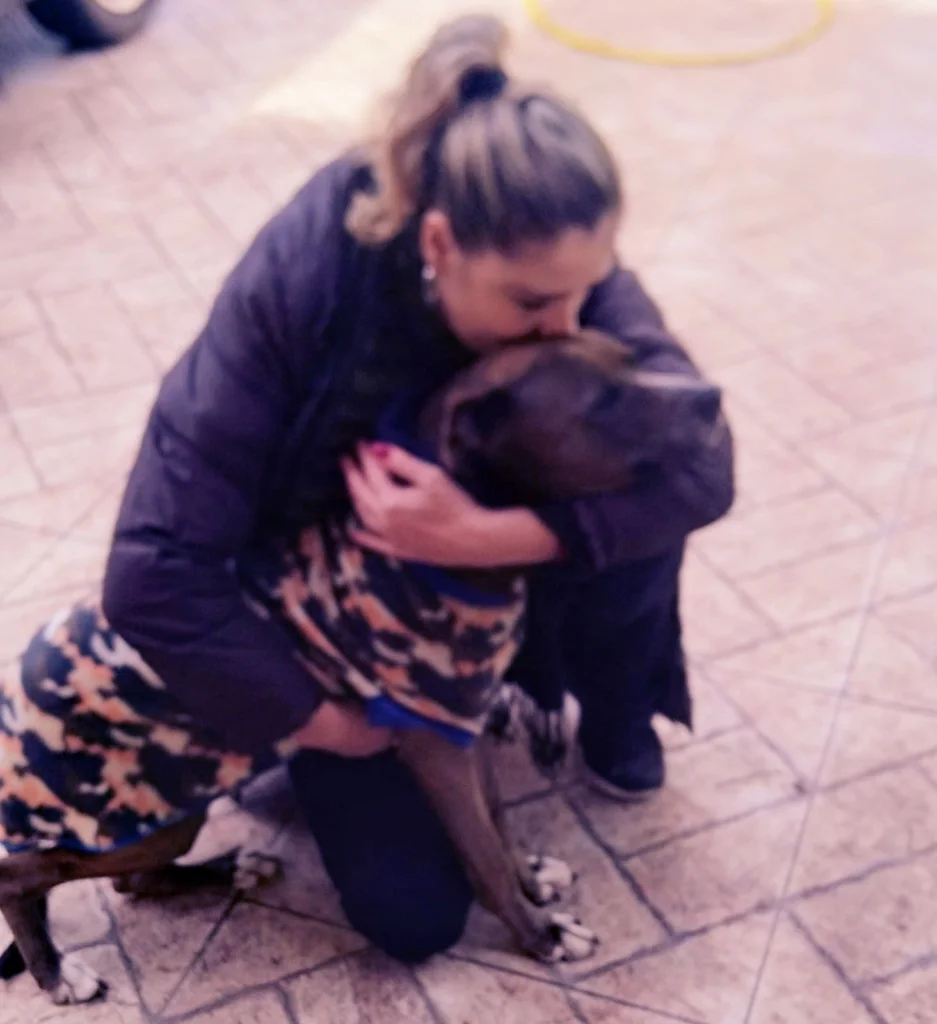
GOE — aging alongside a dog and the logic of what is eternal
Aging alongside a dog for so many years is not merely following the passage of time. It is learning, little by little, that care changes in form, in rhythm, and in intention. What once seemed simple gains layers; what once felt automatic begins to demand attention; and what was always routine turns into daily reading.
In prolonged coexistence such as the one lived with GOE, care stops being occasional and becomes continuous. It is not only about responding to symptoms, but about anticipating needs, adjusting expectations, and understanding that the body—human and canine—communicates in other ways as time advances.
From a certain point onward, around the age of 12, subtle signs begin to appear. Movement no longer happens in the same way, mobility requires constant observation, and the spine starts to demand heightened attention. Limitations emerge not as rupture, but as an invitation to adapt. One learns that sustaining quality involves reviewing habits, reorganizing routines, and accepting that care must evolve alongside aging.
In follow-ups similar to what GOE went through, veterinary support has always proved to be a fundamental part of this process. Procedures, periodic assessments, and careful decisions compose a path that does not build itself alone. Supplementation, for example, became a necessary resource in specific phases—not as a promise, but as functional support within protocols observed with responsibility.
Examples of canine supplementation used in aging contexts, based on experiences lived with GOE: https://amzn.to/3OnGgYT
Caring for a dog who is aging does not mean only intervening. It means sustaining. Sustaining possible comfort, viable mobility, everyday well-being. It means understanding that care is not measured by isolated grand actions, but by gradual continuity—the kind that is practiced every day, even when no one sees it.
In routines observed with GOE, it became evident that aging together demands maturity from the guardian. It requires letting go of idealizations and taking on difficult decisions, always guided by diligence, by ethics, and by attentive listening to what the body communicates. Time teaches that caring well is not insisting on what it used to be, but respecting what it comes to be.
GOE is, was, and will always be—the indivisible link of this project. Living with him for so many years formed a learning experience that goes beyond the individual and becomes legacy. Prolonged coexistence builds references, expands understanding of care, and offers real foundations to dialogue with other guardians who walk similar paths.
Aging alongside a dog for 16 years is, above all, an exercise in continuous responsibility. And everything learned along this path does not end within the time that was lived: it spreads into practice, into writing, and into the ethical commitment to care that this project carries.
Related content: https://logicalbark.com/mobility-and-comfort-for-senior-dogs-goes-experience-%f0%9f%90%be/
Aging with a dog is a commitment that begins on the first day
Aging alongside a dog is not something that begins only when the signs of age become visible. This process starts on the first day of coexistence, when one chooses to care, observe, learn, and assume responsibility for a life that develops at another pace, with other needs, and with absolute dependence on human decisions.
Over the years, what is built is not only routine, but bond. A bond that deepens with time, that matures along with the guardian, and that becomes more demanding as the dog’s body begins to change. There is no connection more intense than the one created by years of daily coexistence, by careful reading of behaviors, and by constant adjustments to preserve well-being and dignity.
Canine aging requires a technical gaze, but also an ethical one. It requires understanding that each dog ages in a distinct way, regardless of size, breed, or history. Small dogs and large dogs age in different ways, but all—without exception—deserve continuous attention, appropriate veterinary follow-up, and decisions grounded in knowledge, not in assumptions.
That is why speaking about aging in dogs implies speaking about comprehensive care. It implies bringing in supplementation when indicated, adapting diet, reviewing exercise, adjusting walks, and considering supports that preserve mobility, comfort, and quality of life. It is not exaggeration, but responsibility. Supplementation, when guided by a professional, becomes part of a broader set of actions that sustains aging with less functional impact.
Veterinary follow-up is not an occasional resource; it is a foundation. Periodic evaluations, adjustments in conduct, exams, and individualized guidance are fundamental so that the guardian does not walk alone and does not decide blindly. Each dog is a case, each trajectory is unique, and no decision should be generalized or made by comparison.
Daily care also extends to walks, which need to be adjusted to the dog’s rhythm, respecting physical limits and signs of fatigue. Walking less, walking differently, walking attentively. Movement, when possible, preserves functions, but it must never surpass comfort. The same applies to cognitive stimulation, which remains important throughout life and helps maintain engagement and emotional stability.
Education and training, when started early, also directly impact aging. A dog who learned to communicate, respond to basic commands, and trust their guardian faces the limitations of age with less stress. What is built in youth sustains what is lived in maturity.
Living with GOE over the years was understanding, in practice, everything this project defends. He always had veterinary follow-up, went through different procedures, and moved through phases that required constant adaptation. Each adjustment made over time had one aim: to preserve what was always central—quality of life.
GOE is the beating heart of this project. Living with him represented an absolute priority and one of the deepest experiences of my life. The coexistence built over the years became legacy, reference, and commitment to other guardians who live—or will live—Aging alongside a dog.
Aging with a dog is accepting that care does not diminish with time; it becomes more refined, more conscious, and more necessary. It is understanding that loving, in practice, means adapting continuously. And that is precisely why speaking about canine aging matters so much: because caring well is a choice renewed every day, because barks matter and echo forever.

The gaze on the horizon
You may also like


Lusiane Costa is a digital writer with degrees in Marketing and English Literature.
Creator of Latido Lógico and Logical Bark, she develops evidence-based content on canine aging, wellness, and senior-dog health.
The project was inspired by Goe — a senior dog whose longevity and resilience shaped a grounded, compassionate view on the challenges of aging in pets.
Each article reflects her commitment to transforming real experiences into accessible knowledge, helping owners understand, prevent, and care better for their animals at every stage of life.
Goe remains the heartbeat of this project.
[…] See complementary information →https://logicalbark.com/what-is-aging-alongside-a-dog-for-16-years/ […]
[…] Discover more insights → https://logicalbark.com/what-is-aging-alongside-a-dog-for-16-years/ […]