
Senior dog resting after anesthesia
Technical and objective guide for the first days after anesthesia and post-biopsy (until stitch removal).
First hours: water and gradual return to food after anesthesia
- Water: offer small amounts (1–2 tablespoons every 10–15 min during the first 2–3 h). If there’s no vomiting, gradually return to normal access.
- Brief fasting: many veterinarians recommend waiting 6–12 h after discharge for the first meal. Always follow the instruction you received from the clinic.
- Small portions: start with 1/4 to 1/3 of the regular meal. If tolerated well, gradually increase over the next 24–48 h.
- With medications: antibiotics and anti-inflammatories are usually better tolerated when given with food (reduces nausea). If a gastric protector was prescribed, respect timing and fasting as instructed.
Recommended light diet (first 2–3 days)
Choose one main option and keep the same base for 24–48 h to observe tolerance:
- Prescription gastrointestinal (GI) diet – dry, lightly moistened with warm water, or wet canned version.
- Cooked and shredded chicken (no skin, bones, salt, or seasoning) + well-cooked white rice.
- Pumpkin or sweet potato cooked and mashed (small amounts as a source of soluble fiber).
- Veterinary recovery pâté (high palatability and digestibility), when available.
- Regular kibble (if approved by your vet): start by softening it with warm water and offer smaller portions.
- A well-balanced senior formula that supports mobility, joint comfort, and gentle digestion, especially useful during recovery after anesthesia: https://amzn.to/48CuL7E
Note: some dogs may show a slightly increased appetite when starting antibiotics. Keep meals light and fractioned to avoid overloading the stomach.
Supplements and support (only if approved)
- Probiotics – firmer stools and less intestinal discomfort during antibiotic use.
- Omega-3 – inflammatory modulation and joint support (slow and cumulative effect).
- Immune support – e.g., beta-glucans.
Use the brand/product indicated in the prescription and do not introduce new products without approval.
What to avoid in the first days
- Fatty foods (fried items, skin, cheese), milk and dairy.
- Spices, garlic, onion, cooked bones, or hard treats (may cause digestive upset).
- Introducing multiple new foods at the same time.
With stitches: care until removal
- Soft treats – easy to chew.
- Hydration helps tissue perfusion and healing.
- Calm environment, non-slip flooring, and controlled physical activity (avoid jumping or running).
- Prevent licking: use Elizabethan collar or surgical suit.
- Cleaning only as prescribed (gauze + saline), no extra ointments unless instructed.
Summary meal plan (example)
- Day 0–1: fractioned water → 6–12 h later, 1/4–1/3 of a light meal.
- Day 2–3: 2–3 small light meals per day; medications with food.
- Day 4–7: gradual return to the regular diet (or continue GI if recommended).
Warning signs (consult your vet)
- Repeated vomiting, intense diarrhea, persistent apathy, or food refusal > 24 h.
- Swelling, heat, odor, bleeding at the stitch site, or compulsive licking.
- Pain not relieved by medication, fever, or difficulty urinating/defecating.
Conclusion
After anesthesia and biopsy, the priority is to hydrate, fraction meals, and choose light and predictable foods. Antibiotics can increase appetite slightly, but progression must be slow. With proper hygiene, restricted movement, and correct use of medications and approved supplements, recovery is usually smooth until stitch removal.
Related Content: https://logicalbark.com/syringe-feeding-for-senior-dogs-care-technique-and-what-i-learned-with-goe/
In some cases, especially when the dog has difficulty eating on its own during the first days, it may be necessary to offer moist food through a syringe, always under veterinary guidance. This method should be done gently, respecting the animal’s pace and using soft, recovery-appropriate diets or prescription wet foods.
For complementary guidance: https://logicalbark.com/%f0%9f%90%be-top-5-wet-foods-for-senior-dogs-complete-guide/
This guide is complementary and does not replace your veterinarian’s advice. Always follow the prescribed instructions and report any changes immediately.
Recovery after anesthesia requires attention, patience, and thoughtful nutritional choices. Each light meal and each caring gesture helps the body restore balance.
💛 My experience with Goe after anesthesia was marked by small improvements that meant a lot. On the first days, he stayed calmer, eating little but without rejecting food. By the second day, I noticed a clear improvement in appetite — he accepted light meals well and showed interest in soft, nutrient-rich foods.
Currently, Goe has two to three meals a day, alongside his prescribed antibiotics and supplements. I noticed a significant improvement in his appetite and overall well-being — a direct result of monitoring and a consistent routine of care. Even after the procedure, he has remained strong and resilient — a true example of senior-care dedication.
🌿 Caring for a senior dog is learning that recovery is also made of attention, consistent presence, and small everyday gestures.
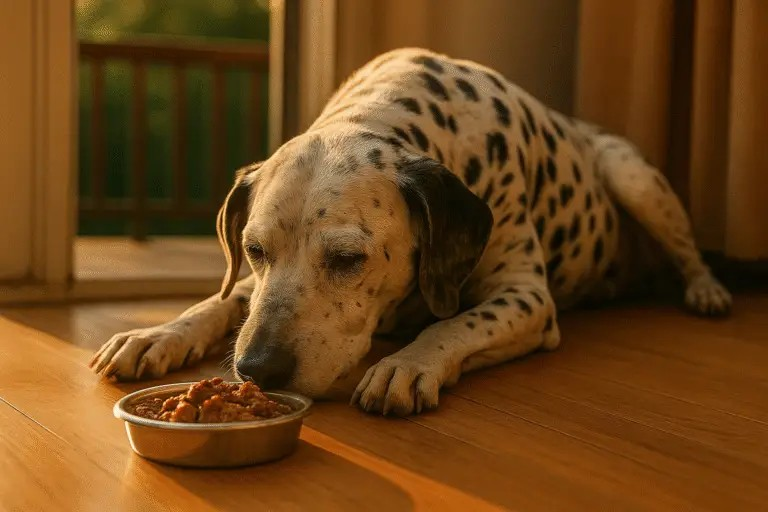
Senior dog eating a light meal after anesthesia

Lusiane Costa is a digital writer with degrees in Marketing and English Literature.
Creator of Latido Lógico and Logical Bark, she develops evidence-based content on canine aging, wellness, and senior-dog health.
The project was inspired by Goe — a senior dog whose longevity and resilience shaped a grounded, compassionate view on the challenges of aging in pets.
Each article reflects her commitment to transforming real experiences into accessible knowledge, helping owners understand, prevent, and care better for their animals at every stage of life.
Goe remains the heartbeat of this project.