January 24, 2026

Signs of aging in small dogs are not always visible, but they are present in the details of daily routines.
Signs of aging in small dogs usually emerge gradually, without a clear rupture between life stages. Unlike abrupt changes, these shifts appear little by little, diluted into everyday life, which causes many owners to take longer to notice them. The dog adjusts its pace, becomes more selective with movements, prefers certain surfaces for resting, and begins to conserve energy in situations that were once effortless. None of these signs, in isolation, indicates a problem; together, they reveal a natural process that deserves attention.
In small-breed dogs, aging tends to be more subtle precisely because they maintain agility and autonomy for a longer time. For this reason, understanding the signs of aging in small dogs requires continuous observation and careful reading of everyday behavior, without anxiety and without neglect.
Why Signs of Aging in Small Dogs Are Harder to Notice
Small dogs show a strong capacity for physical and behavioral adaptation. They reorganize their routines almost imperceptibly: reducing high jumps, adjusting the intensity of play, and choosing safer paths around the house. Because these changes are gradual, owners often interpret them as personal preference or personality traits.
Another factor that contributes to this difficulty is daily coexistence. Proximity causes the observer’s eye to become accustomed to slow transformations, making them part of the background. Recognizing signs of aging in small dogs does not mean labeling the animal as fragile, but understanding that the body begins to operate with different priorities.
Most Common Physical Signs of Aging in Small Dogs
Signs of aging in small dogs initially manifest in the body in subtle ways. Among the most common are:
- More cautious movement: the dog stands up more carefully, takes a few seconds to begin walking, or pauses briefly during simple activities.
- Reduced jumping: avoids jumping onto furniture or waits for help to reach elevated places.
- Preference for comfortable surfaces: seeks firmer or softer beds, avoids cold floors, and adjusts position when lying down.
- Changes in coat and skin: uneven shine, drier areas, or increased sensitivity.
- Slower sensory responses: longer reaction time to sounds or visual stimuli.
When observed together, these signs help clarify the rhythm of aging without the need for comparison with other dogs.
👉 See beds with firmer and more comfortable surfaces for senior dogs
Affordable version: https://amzn.to/4pVmdhC
Premium version: https://amzn.to/49TcOBj
Behavioral Changes Associated With Aging in Small Dogs
Beyond physical changes, signs of aging in small dogs also appear in behavior. The dog may show lower tolerance for abrupt handling, prefer shorter interactions, and demonstrate a greater need for rest breaks. This does not indicate loss of bonding, but rather a reorganization of available energy.
Intense play becomes less frequent, while predictable activities gain value. In some cases, the dog shows irritation when touched in sensitive areas, communicating discomfort through subtle signals. Interpreting these responses as communication is essential for maintaining a respectful relationship.
Changes in Sleep and Daily Organization
Sleep patterns also reflect signs of aging in small dogs. It is common for the dog to sleep more during the day, choose quieter places to rest, or experience occasional nighttime awakenings. These changes call for simple environmental adjustments, such as greater predictability and comfort.
Organizing the day with well-defined periods of activity and rest contributes to the dog’s physical and emotional stability, respecting its new rhythm.
Explore related content →https://logicalbark.com/%f0%9f%92%a4-how-many-hours-does-a-senior-dog-sleep-understanding-sleep-in-older-dogs/
Routine Adjustments to Support Aging
Recognizing signs of aging in small dogs allows preventive routine adjustments. Small changes are often sufficient:
- Facilitated access: use of ramps or low steps to reduce repeated impact.
- Proper comfort: beds with good support and easy entry.
- Safety: non-slip rugs in high-traffic areas.
- Adjusted pace: walks maintained, but with appropriate intensity and duration.
- Careful handling: proper support when lifting the dog, avoiding twisting movements.
👉 Check out this well-rated option designed to improve safety for senior dogs: https://amzn.to/3M24JlS
A Practical Everyday Observation
With dogs from our family experience, we noticed certain differences over time: a preference for more comfortable surfaces, the choice of safer paths around the house, and the reduction of certain jumps that were previously done without hesitation. These changes did not appear abruptly; they were perceived through the accumulation of small details, reinforcing the importance of continuous observation.
Conclusion
Signs of aging in small dogs rarely announce themselves clearly. They appear in daily choices, in rhythm, and in the way the dog relates to its environment. An attentive perspective recognizes these signs, adjusts the routine, and preserves well-being without excess. At Latido Lógico, careful observation, continuous care, and an integrated reading of these factors guide more conscious decisions. In this way, a dog’s aging becomes a dignified and respectful process, marked by mutual care and the joy they return to us throughout life.

As small dogs age, their need for sleep often increases, and rest becomes more frequent
You may also like
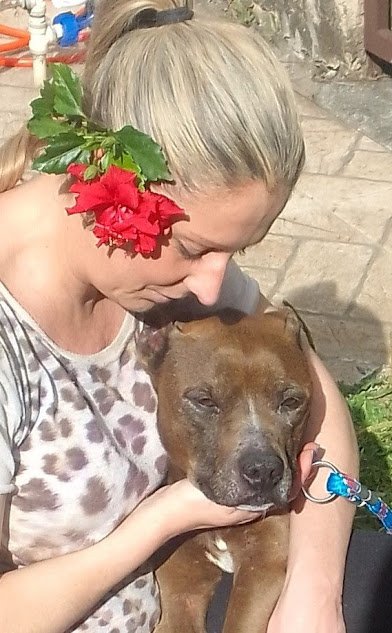

Lusiane Costa is a digital writer with degrees in Marketing and English Literature.
Creator of Latido Lógico and Logical Bark, she develops evidence-based content on canine aging, wellness, and senior-dog health.
The project was inspired by Goe — a senior dog whose longevity and resilience shaped a grounded, compassionate view on the challenges of aging in pets.
Each article reflects her commitment to transforming real experiences into accessible knowledge, helping owners understand, prevent, and care better for their animals at every stage of life.
Goe remains the heartbeat of this project.