January 26, 2026
Published in January 2026

Recognizing the signs of aging in large dogs means understanding that time reorganizes movement, needs, and priorities.
The signs of aging in large dogs often appear earlier when compared to small-breed dogs. In many cases, these changes do not present themselves as obvious symptoms, but rather as gradual adjustments in behavior, posture, and the way the dog interacts with its environment. Careful observation of these signs allows aging to be understood as a natural process that requires practical and conscious adaptations.
Contrary to what many guardians assume, aging in large dogs does not begin only in advanced senior years. In large breeds, subtle changes can already be noticed during adulthood, especially those related to joint impact, body weight, and the gradual reduction of physical endurance.
Why the Signs of Aging in Large Dogs Appear Earlier
Body size has a direct influence on the aging process. Large dogs support greater body mass on their joints, bones, and muscles throughout life, which accelerates wear over time. As a result, the signs of aging in large dogs tend to manifest earlier, even when the dog still appears strong and active.
Additionally, large dogs often mask discomfort for extended periods, maintaining functional behaviors until small adaptations become necessary. This is precisely where daily observation becomes essential.
Most Common Physical Signs of Aging in Large Dogs
Among the main signs of aging in large dogs are physical changes that may seem insignificant when observed in isolation, but together reveal important structural shifts:
- Difficulty standing up: the dog takes longer to rise after resting.
- Reduced jumping and running: avoidance of high-impact movements previously performed with ease.
- Stiffer posture: especially noticeable upon waking or after prolonged activity.
- Preference for firmer surfaces: seeking beds that provide better body support.
- Slower gait: walks become shorter and more deliberate.
These signs do not necessarily indicate severe pain, but rather the body’s need to adapt to a new functional rhythm.
Behavioral Changes Associated With Aging
Beyond physical aspects, the signs of aging in large dogs are also expressed behaviorally. It is common to observe increased selectivity in interactions, a preference for predictable routines, and lower tolerance for excessive stimulation.
The dog begins to manage energy more strategically, avoiding unnecessary effort. Long play sessions give way to shorter, controlled periods of activity, without representing a loss of bonding or environmental interest.
Learn more about this here → https://logicalbark.com/what-senior-dogs-feel-emotional-signs-and-how-to-interpret-them/
Changes in Sleep and Rest Patterns
As age advances, sleep in large dogs tends to become more frequent and fragmented. The signs of aging in large dogs include longer rest periods throughout the day and an increased need for thermal and postural comfort.
Choosing an appropriate resting place directly impacts physical well-being. Beds with adequate support reduce pressure points and aid muscular recovery.
Discover this recommended option →https://amzn.to/45z4wxc
Practical Adjustments to Daily Routine
Recognizing the signs of aging in large dogs allows for simple yet effective routine adjustments:
- Use of ramps or steps for access to sofas and vehicles.
- Beds with structural support suitable for heavier body weight.
- Regular walks with reduced intensity.
- Non-slip flooring in frequently used areas.
- Careful handling that respects joint limitations.
These adaptations do not restrict the dog’s autonomy; instead, they help preserve functionality for longer.
Check this well-rated option →https://amzn.to/4pXQlsQ
Observations From the Family Environment
In our family environment, living with large dogs over the years, it became clear that the signs of aging in large dogs do not appear abruptly. Changes emerged gradually: a preference for firmer resting surfaces, the choice of safer paths around the house, and a slow reduction in high-impact movements.
These observations reinforced the importance of viewing aging as a continuous process, adjusting the environment without disrupting the dog’s routine.
Conclusion
The signs of aging in large dogs tend to become more evident over time, primarily due to body weight and accumulated joint stress. Changes in posture, walking pace, and resting habits indicate that the body begins to demand concrete adaptations in both environment and routine.
Understanding the signs of aging in large dogs allows caregivers to anticipate care needs, reduce repetitive impact, and preserve mobility for longer periods. Aging should not be interpreted as sudden decline, but as a progressive process that requires objective adjustments. When approached consciously, this stage sustains physical well-being and supports a balanced, respectful companionship throughout life.

As years pass, the gaze lingers longer — and rhythm finds a different cadence
You may also like
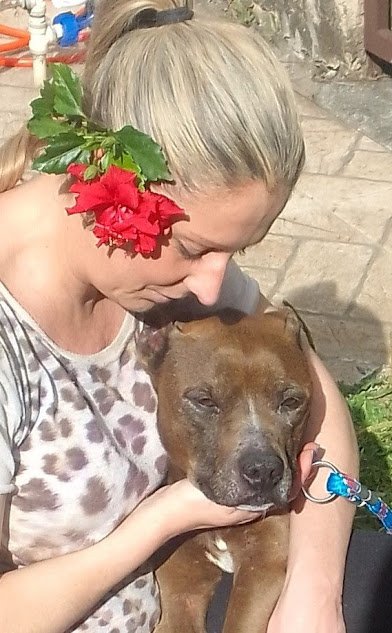

Lusiane Costa is a digital writer with degrees in Marketing and English Literature.
Creator of Latido Lógico and Logical Bark, she develops evidence-based content on canine aging, wellness, and senior-dog health.
The project was inspired by Goe — a senior dog whose longevity and resilience shaped a grounded, compassionate view on the challenges of aging in pets.
Each article reflects her commitment to transforming real experiences into accessible knowledge, helping owners understand, prevent, and care better for their animals at every stage of life.
Goe remains the heartbeat of this project.