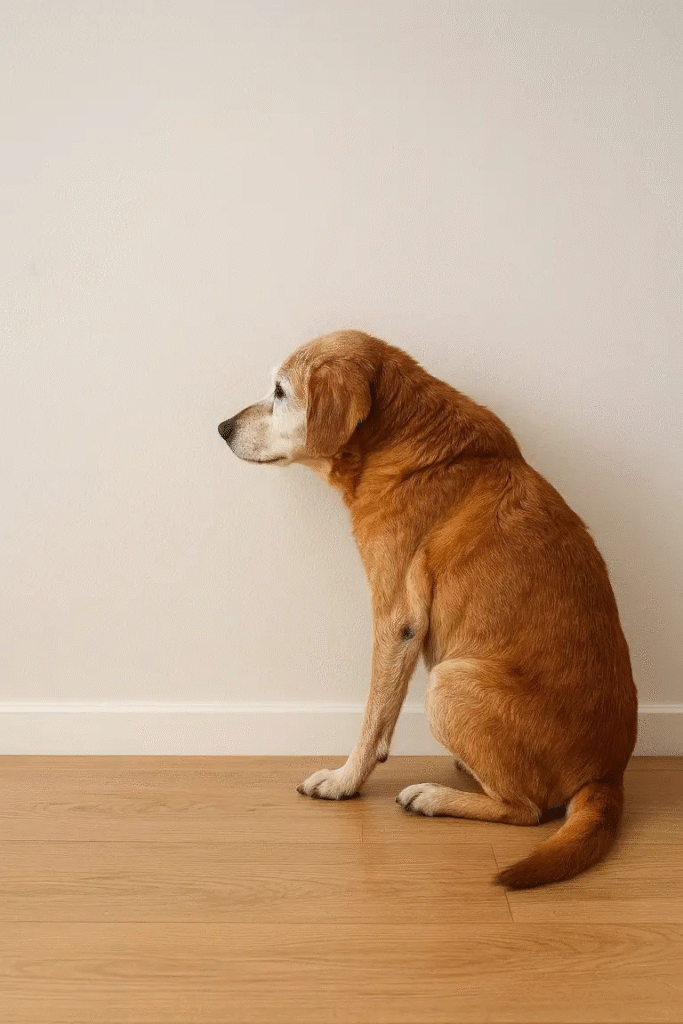
Senior dog showing signs of cognitive dysfunction
As dogs age, not only does the body show signs of time, but the mind can also undergo significant changes. The condition known as Canine Cognitive Dysfunction (CCD) is often compared to Alzheimer’s disease in humans and primarily affects senior dogs. Recognizing the early symptoms and adopting proper care strategies is essential to preserve your pet’s quality of life and overall well-being.
What Is Cognitive Dysfunction in Dogs?
Canine Cognitive Dysfunction is a progressive neurological disorder that causes changes in a dog’s behavior, memory, and learning ability. Although it is common in pets over 10 years old, many owners mistake its signs for “normal aging,” which can delay diagnosis.
Most Common Symptoms
Here are some of the main signs that a senior dog may be experiencing cognitive dysfunction:
- Disorientation — the dog appears lost in familiar places and may stare blankly at walls or corners.
- Changes in sleep patterns — sleeps more during the day and wanders at night.
- Difficulty recognizing family members or other household pets.
- Loss of previously learned habits, such as house training.
- Decreased social interaction, preferring to stay alone.
- Anxiety, excessive vocalization, or unexplained apathy.
Causes and Risk Factors
The main factor associated with cognitive dysfunction is brain aging. As dogs grow older, neurons degenerate and neurotransmitter production decreases. In addition, some factors increase the risk:
- Genetic predisposition in certain breeds.
- Chronic diseases such as kidney or heart problems.
- History of head trauma or neurological injury.
- Physical inactivity and lack of mental stimulation throughout life.
How to Diagnose
Diagnosis must be made by a veterinarian who will evaluate the dog’s clinical history, behavioral signs, and may request additional tests to rule out other conditions (such as tumors or metabolic disorders). There is no single test for CCD, so the owner’s careful observation is fundamental to support the process.
Care and Strategies to Improve Quality of Life
Although there is no cure for cognitive dysfunction, several care strategies can help relieve symptoms and increase comfort:
- Adapted environment: avoid sudden changes in furniture arrangement and maintain a predictable routine to reduce anxiety.
- Proper diet: senior dog food enriched with antioxidants, omega-3 fatty acids, and vitamins that protect brain function.
- Light physical activity: short walks, gentle play, and activities that respect the dog’s physical limits.
- Mental stimulation: interactive toys, basic command training, and gradual introduction of new experiences.
- Veterinary treatment: use of prescribed medications or supplements to improve cerebral circulation and slow disease progression.
- Patience and emotional support: the owner’s calm and consistent presence helps ensure safety and a sense of connection.
Check out highly rated omega-3 supplements:
Affordable option: https://amzn.to/4qRnzM7
Liquid option: https://amzn.to/4njDalk : https://amzn.to/49I4WUz
Difference Between Normal Aging and Cognitive Dysfunction
It’s natural for senior dogs to slow down or sleep more. However, when there is marked memory loss, frequent disorientation, and significant behavioral changes, it’s likely something beyond normal aging. Recognizing these distinctions is crucial for providing the right treatment.
Prevention and Well-Being
While it’s not possible to fully prevent CCD, certain habits can help delay its progression:
- Keep your pet physically and mentally active from an early age.
- Offer a diet rich in nutrients that support brain health.
- Encourage daily social interaction and playtime.
- Schedule regular veterinary checkups, even when no symptoms are visible.
Discover more insights → https://logicalbark.com/main-diseases-that-affect-senior-dogs-signs-prevention-and-essential-care/
Conclusion
Cognitive dysfunction in senior dogs is a condition that requires attention, patience, and consistent care. The sooner the symptoms are recognized, the greater the chances of ensuring a healthier and more dignified life for your pet. Through simple environmental adaptations, proper mental stimulation, balanced nutrition, and ongoing veterinary follow-up, it is possible to slow down the disease’s progression and maintain your dog’s well-being throughout their golden years.
Also check out the article on natural diets versus commercial food for senior dogs: https://logicalbark.com/natural-or-commercial-food-for-senior-dogs-which-is-the-best-choice/
At Logical Bark, we believe that every act of care — from a peaceful walk to a thoughtfully chosen supplement or a new mental challenge — helps keep the special bond between owner and pet alive. Caring for a senior dog is more than facing the challenges of aging; it is honoring the shared story and lifelong companionship.
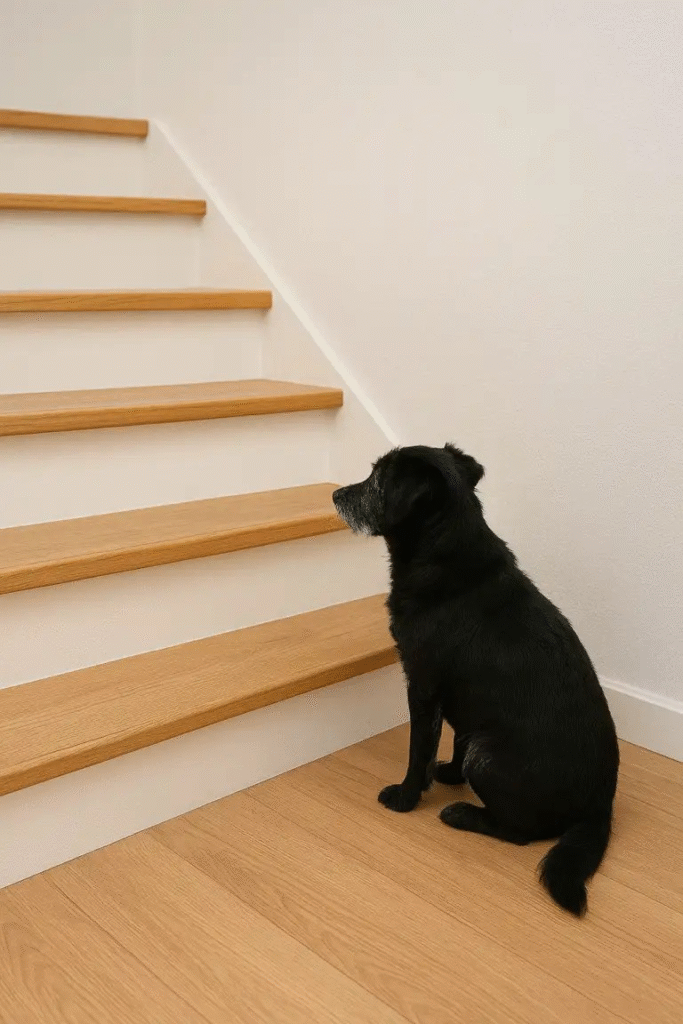
Senior dog showing signs of cognitive disorientation

Lusiane Costa is a digital writer with degrees in Marketing and English Literature.
Creator of Latido Lógico and Logical Bark, she develops evidence-based content on canine aging, wellness, and senior-dog health.
The project was inspired by Goe — a senior dog whose longevity and resilience shaped a grounded, compassionate view on the challenges of aging in pets.
Each article reflects her commitment to transforming real experiences into accessible knowledge, helping owners understand, prevent, and care better for their animals at every stage of life.
Goe remains the heartbeat of this project.