January 15, 2026
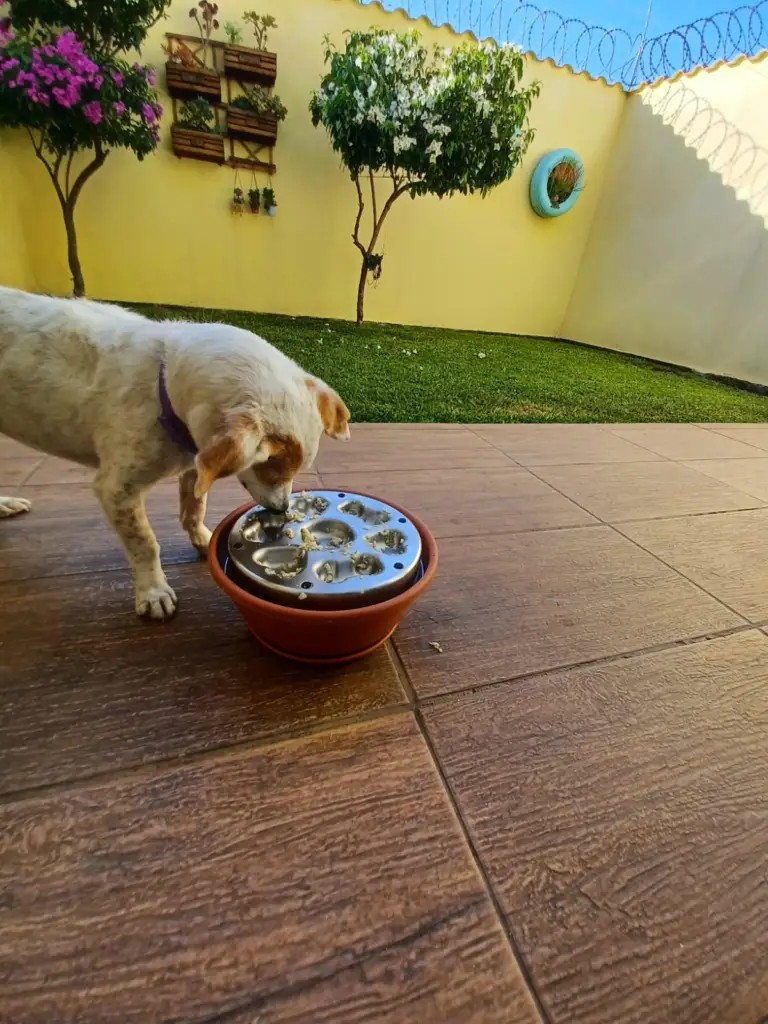
Loli following a carefully structured feeding routine, integrated with the use of omega 3 for senior dogs.
The use of omega 3 for senior dogs is often associated with joint support, skin health, and the management of inflammatory processes. However, traditional sources—especially those derived from fish—are not always well tolerated. The experience observed with Loli helps explain why, in some cases, alternative approaches are necessary.
When Fish Is No Longer an Option
In senior dogs with a history of food sensitivities, gastrointestinal disorders, or skin reactivity, fish can become a trigger. In these cases, introducing fish oil or related products may lead to:
- worsening of intestinal symptoms;
- increased itching or excessive licking;
- clinical instability in already fragile systems.
This was precisely the scenario observed in Loli’s case. Despite the need for anti-inflammatory support, it became clear that insisting on traditional fish-based omega 3 sources would not be a prudent choice.
Omega 3 for Senior Dogs: Why the Source Matters
When discussing omega 3 for senior dogs, the key factor is not merely the presence of the nutrient, but its source and individual tolerance. Algae-based omega 3 emerges as an alternative precisely because it provides fatty acids such as DHA (and, in some formulations, EPA) without relying on fish.
In Loli’s monitored experience, changing the source made it possible to maintain the intended benefits—supporting inflammation control, joints, and skin—without disrupting the intestinal balance that had been carefully established over time.
Loli’s Experience with Algae-Based Omega 3
The introduction of algae-based omega 3 was carried out gradually, respecting Loli’s clinical history and closely observing her physiological responses. In senior dogs with sensitivities, this process requires patience and careful judgment.
Observed outcomes during use included:
- maintenance of intestinal stability;
- absence of skin reactions;
- gradual support for joint comfort and overall well-being.
Rather than acting as an isolated supplement, omega 3 became part of a broader care strategy—one that considered the interconnectedness of the gut, immune system, skin, and joints.
Examples of Omega 3 Options When Fish Is Not Recommended
In monitored protocols involving senior dogs with food sensitivities, algae-based omega 3 products are often considered a viable alternative. The central focus is not a specific brand, but criteria such as:
- the source of the omega 3;
- the fatty acid profile (DHA and EPA);
- purity and sourcing standards;
- the individual dog’s clinical response.
All decisions should respect the dog’s individuality and be made with veterinary guidance, especially in senior dogs with chronic health conditions.
Well-reviewed option: https://amzn.to/4bDr2sm
Introducing Omega 3 with Caution: What to Observe
When introducing omega 3 for senior dogs, particularly in sensitive profiles, it is essential to monitor:
- stool quality;
- any signs of nausea or discomfort;
- changes in skin or behavior;
- overall tolerance to the supplement.
Any signs of decline should be evaluated promptly, as the purpose of supplementation is to support the body—not to introduce a new source of imbalance.
Final Considerations
Loli’s experience reinforces that there is no one-size-fits-all solution for senior dogs. Omega 3 supplementation can be highly beneficial, but only when it respects the specific needs and limitations of each organism.
When fish is not an option, alternatives such as algae-based omega 3 can fulfill their role more safely—provided they are used with care, close observation, and professional responsibility.
Related Content
Explore further insights: https://logicalbark.com/when-the-gut-of-senior-dogs-becomes-the-starting-point-lolis-experience/
Note: This content is informational and describes an experience observed within a family context. It does not replace individualized veterinary evaluation.

Loli during a moment of rest and protection
You may also like

Lusiane Costa is a digital writer with degrees in Marketing and English Literature.
Creator of Latido Lógico and Logical Bark, she develops evidence-based content on canine aging, wellness, and senior-dog health.
The project was inspired by Goe — a senior dog whose longevity and resilience shaped a grounded, compassionate view on the challenges of aging in pets.
Each article reflects her commitment to transforming real experiences into accessible knowledge, helping owners understand, prevent, and care better for their animals at every stage of life.
Goe remains the heartbeat of this project.