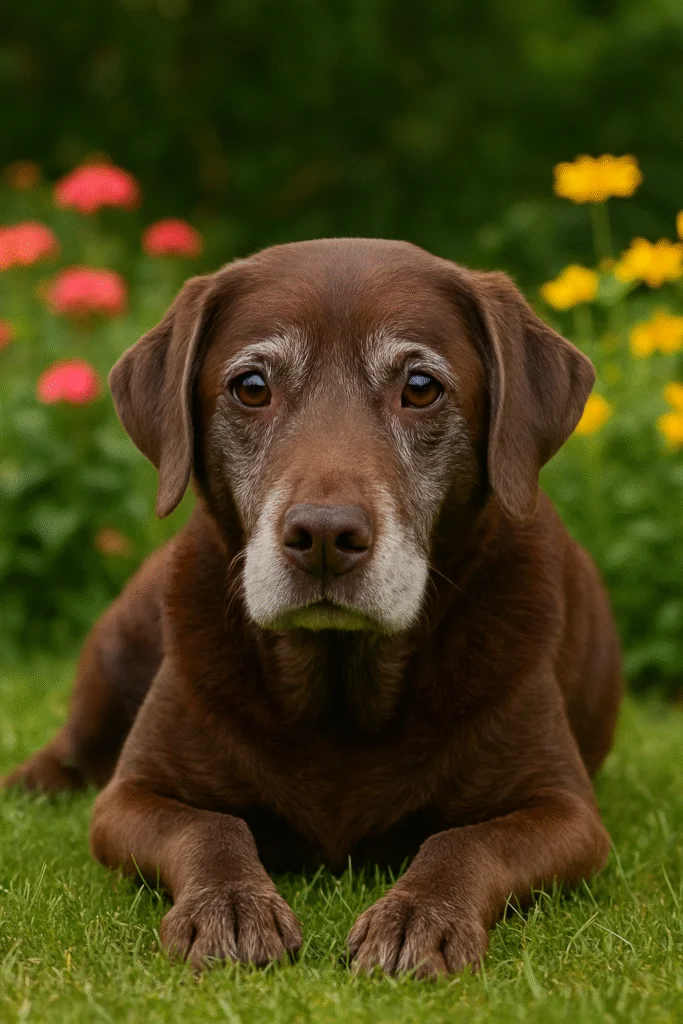
Older dogs becoming more fearful: when the eyes speak before the reaction
Older dogs often become more sensitive, cautious, and, in many cases, more fearful in situations that once seemed neutral. Common noises, visitors, environmental changes, or even sudden movements inside the home may trigger startle responses. Understanding why this happens helps caregivers offer more respectful support and interpret signs of fear without confusing them with stubbornness or personality changes.
When we talk about older dogs becoming more fearful, we are addressing a combination of sensory, cognitive, and emotional changes that accumulate over time and interact with each dog’s life history. It is not simply a matter of temperament. Aging fundamentally alters how dogs perceive and respond to the world around them.
Sensory changes that make older dogs more fearful
One of the most important factors in understanding why older dogs react differently is sensory decline. As dogs age, vision, hearing, and body awareness gradually change, transforming ordinary situations into confusing or even threatening experiences.
- Impaired vision: Difficulty seeing in low light, recognizing people at a distance, or perceiving steps and obstacles can lead to frequent startle responses.
- Altered hearing: Some sounds become harder to detect, while sudden noises may be perceived more abruptly, triggering fear reactions.
- Chronic pain and bodily sensitivity: Conditions such as arthritis, inflammation, and musculoskeletal discomfort can cause touch, movement, or sudden approach to be interpreted as a threat.
- Cognitive changes: Disorientation, altered sleep–wake cycles, and difficulty processing stimuli may cause dogs to become startled even in familiar environments.
For many caregivers, it may seem as though the dog has suddenly become hesitant “out of nowhere.” In reality, this behavior usually reflects the interaction between sensory limitations and physical discomfort, making daily life less predictable for the aging dog.
Common behaviors in more fearful senior dogs
Signs of fear are not always dramatic. Often, they appear subtly and accumulate over time. Some behaviors are particularly common in older dogs who have become more fearful:
- Startle reactions to noises that previously caused no distress;
- Increased seeking of proximity to the caregiver in unfamiliar environments;
- Reluctance to climb stairs, get into the car, or walk on certain types of flooring;
- Trembling, repeated yawning, lip licking, or a crouched posture in specific situations;
- More intense barking or vocalization when routines change.
These behaviors are meaningful forms of communication. The dog’s body is signaling a need for predictability, safety, and more attentive human mediation.
What stands out most about Goe: resilience amid change
What truly stands out—and deeply impresses—about Goe is his ability to remain a calm, cooperative, and resilient patient despite numerous examinations, treatments, positional changes, and periods of discomfort. Throughout his life, veterinarians consistently recognized him as a gentle, compliant, and remarkably steady dog.
Even now, as an older and more vulnerable dog, Goe continues to demonstrate this rare combination of calmness and strength. At times, it is possible to notice increased sensitivity—reacting to unexpected touch or sudden movement—something very common in older dogs who become more fearful. Yet when handled with care, a calm voice, and a predictable environment, he responds with balance and trust.
His story illustrates how long-term bonding shapes the way fear manifests. How the body is supported, how space is organized, how bedding is adjusted, how access to the yard is facilitated, and how physical limits are respected all make a tangible difference in how he copes with each procedure.
In Goe, the fragility of aging and the steadiness of trust coexist. This combination—resilience and cooperation even during difficult days—offers a genuine example of how consistent care provides emotional support when a dog becomes more sensitive and vulnerable.
How to support more fearful senior dogs in daily life
The good news is that there are practical strategies to help older dogs navigate this stage with greater comfort and safety. The goal is not to eliminate fear entirely, but to reduce triggers and make the environment more accommodating for a body that no longer responds as it once did.
- Establish predictable routines: Consistent schedules for feeding, medication, short walks, and rest help dogs anticipate what comes next.
- Adapt the physical environment: Non-slip rugs, lower beds, obstacle-free pathways, and adequate nighttime lighting reduce both startle responses and fall risk.
- Protect sleep quality: Allowing dogs to rest in a comfortable, quiet area, protected from excessive noise and interruptions, minimizes agitation.
- Avoid abrupt handling: Announcing your presence, touching gently, supporting the body properly, and respecting discomfort signals help preserve trust.
- Monitor clinical signs: Sudden changes in fearfulness, posture, or mobility may indicate pain, neurological issues, or sensory decline that require veterinary evaluation.
In some cases, guidance from a veterinarian—and when appropriate, a behavior professional—can help refine environmental adaptations, adjust medications, and create a more stable routine.
Explore options that enhance safety and stability, including discreet and functional non-slip rugs: https://amzn.to/3MXU3oq
✨ To create a welcoming and emotionally meaningful environment, discover this decorative piece inspired by the bond between dogs and memory: https://amzn.to/3YjBTQu
When to seek professional support
While increased sensitivity is a natural part of aging, certain signs warrant closer investigation. Veterinary consultation is recommended when:
- The dog frequently hides or avoids interactions that were previously well tolerated;
- Intense vocalization occurs even in calm settings without an apparent trigger;
- Fear is accompanied by disorientation, falls, or neurological changes;
- There is significant appetite loss, abrupt behavioral change, or evident pain.
These situations may indicate uncontrolled chronic pain, cognitive decline, or other conditions requiring professional intervention.
Conclusion: understanding fear to provide better care
Understanding why older dogs become more fearful is not a minor detail—it is central to compassionate care. Fear rarely appears without cause; it is typically the result of a more fragile body, changing senses, and accumulated experiences of discomfort.
Related content: https://logicalbark.com/what-senior-dogs-feel-emotional-signs-and-how-to-interpret-them/
By observing carefully, adapting the environment, respecting limits, and seeking professional support when needed, caregivers help senior dogs live this stage of life with dignity and comfort. Goe’s story shows that even amid surgeries and persistent pain, he does more than endure—he adapts. Some resilience, after all, barks softly.
The art of aging

Lusiane Costa is a digital writer with degrees in Marketing and English Literature.
Creator of Latido Lógico and Logical Bark, she develops evidence-based content on canine aging, wellness, and senior-dog health.
The project was inspired by Goe — a senior dog whose longevity and resilience shaped a grounded, compassionate view on the challenges of aging in pets.
Each article reflects her commitment to transforming real experiences into accessible knowledge, helping owners understand, prevent, and care better for their animals at every stage of life.
Goe remains the heartbeat of this project.