March 31, 2026
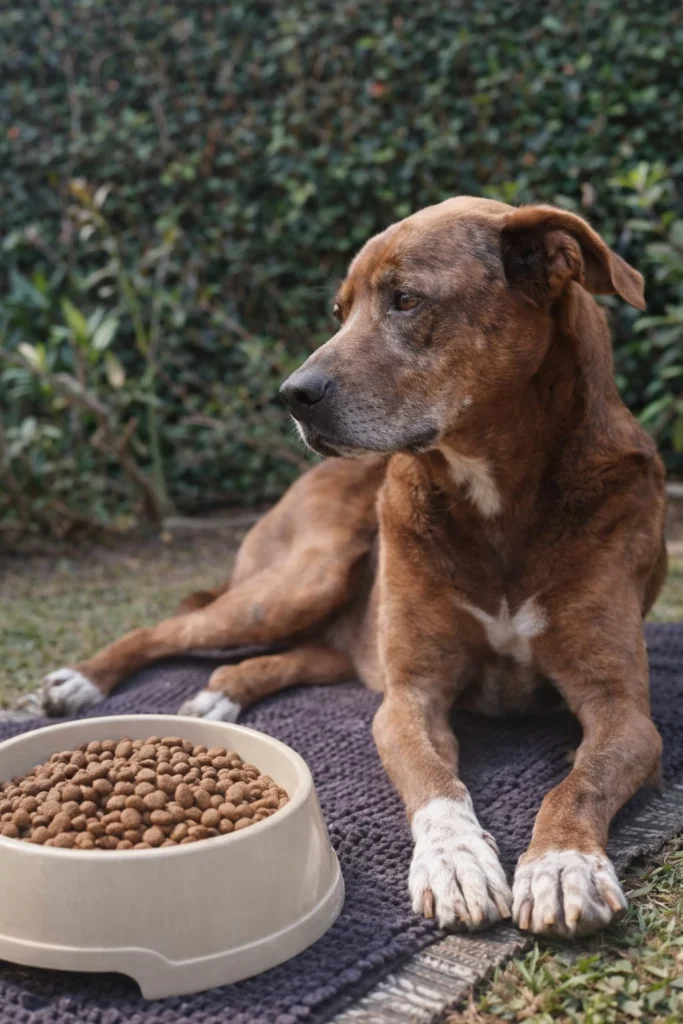
The GOE’s refusal of kibble began with subtle but clearly perceptible signs.
My dog won’t eat kibble. This is a common concern among dog owners, and in practice, it does not always mean just a simple food preference.
In many cases, when a dog starts rejecting kibble, the initial interpretation tends to reduce the situation to stubbornness or simple food refusal. However, the issue is not always limited to the food itself. In some cases, refusal may be related to discomfort, routine, habits developed at home, or even the early stages of physiological changes that are not yet fully evident.
For this reason, before insisting, changing everything at once, or offering only what the dog accepts, it is important to observe more carefully the context in which this behavior appears.
Refusal does not always begin completely
In many cases, a dog does not stop eating abruptly. What happens is more subtle. Interest decreases, the dog takes longer to approach the food, smells the kibble and walks away, or only accepts something more appealing.
This is precisely where many owners become confused. It may seem like a minor detail. However, in some dogs, this type of change may be one of the first signs that something is no longer the same.
When this behavior persists for a few days, the focus should not be only on the food itself, but on the overall context: energy levels, digestion, comfort, routine, and how the body is responding.
What may be happening when a dog won’t eat kibble
In practice, kibble refusal can occur for different reasons. Among the most common are a higher acceptance of more palatable foods, digestive changes, discomfort when chewing, fatigue, changes in routine, and behavioral associations developed over time.
When treats, homemade food, or more aromatic options are offered frequently, kibble tends to lose its appeal. This does not necessarily mean the kibble is inadequate. In many cases, it simply means the dog has learned that something more appealing may be offered instead.
In other situations, the issue is not taste, but the effort involved in eating. Harder, drier, or less palatable foods may be more easily refused when the body is already more sensitive.
Behavior is also learned
An important point is that feeding behavior is also learned. If a dog refuses kibble and is then offered treats, chicken, or something more appealing, the pattern is quickly reinforced.
Over time, refusal stops being a spontaneous reaction and becomes a learned behavior.
For this reason, when an owner notices that their dog won’t eat kibble, it is essential to consider whether this behavior may have been unintentionally reinforced within the daily routine.
What we observed in practice with the GOE
In contexts similar to those experienced with the GOE, kibble was not always the first choice. At many moments, there was a clear preference for food over kibble. Over time, natural feeding became more accepted, and adjustments were necessary to maintain balance in the feeding routine.
In some periods, mixing kibble with other foods was more effective than insisting rigidly. This does not mean this approach applies to every dog, but it highlights an important point: kibble refusal should not always be interpreted in a simplistic way. Sometimes, it reflects a real change in how the dog is able—or willing—to eat.
The most important aspect, in these cases, is to avoid automatically normalizing the situation or reducing any refusal to something trivial.
What the experience with Loli helps to understand
As mentioned earlier, in Loli’s case, kibble was no longer accepted, and feeding shifted to a natural approach (restricted to chicken and sweet potato), as this combination was better tolerated given her intestinal sensitivity. This adaptation did not occur due to simple preference, but as a response to the limitations the body began to present over time. In such contexts, nutritional care often needs to be accompanied by digestive support strategies. If you would like to understand this better, see this content explaining how this process also involved the use of supplements for intestinal support → https://logicalbark.com/sensitive-gut-in-dogs-when-glutamine-enters-as-support-experiences-with-loli/
What to do when your dog won’t eat kibble
If my dog won’t eat kibble, the first step is not to change everything impulsively. The best approach is to observe the pattern.
It is important to notice whether the dog still accepts other foods, whether there has been a change in overall behavior, whether the dog appears more withdrawn, shows signs of discomfort, has difficulty chewing, or simply rejects kibble while still showing interest in treats or more appealing food.
Some simple adjustments may help. Maintaining a consistent feeding schedule, avoiding excessive treats, reducing distractions during mealtime, and observing whether food texture is an issue can provide valuable insights.
In some cases, alternatives such as automatic feeders may help organize feeding routines, especially when maintaining consistent schedules is necessary. There are options available on the market, although they are not always the most affordable, but they may support this process →
When to seek evaluation
If kibble refusal becomes persistent, if the dog begins rejecting other foods as well, or if there are signs such as weight loss, apathy, vomiting, or any other noticeable changes, veterinary evaluation is essential.
In these cases, relying only on more appealing food options may mask a condition that requires proper assessment.
The issue is not always the kibble itself. In many cases, the body is already signaling that something has changed.
Conclusion
When my dog won’t eat kibble, the answer is rarely limited to the food itself. It may be related to habits, discomfort, digestive sensitivity, routine, or the overall condition of the organism.
In some cases, the dog simply prefers more palatable options. In others, kibble refusal is only the visible part of a broader change.
For this reason, rather than forcing or quickly replacing everything, it is essential to observe clearly what is happening. The owner’s attention, at this stage, makes all the difference.
Disclaimer: This content is for informational purposes only and is based on observed experiences and general references regarding dog care. Each animal has individual needs, and any changes in diet or routine should be evaluated by a veterinarian.
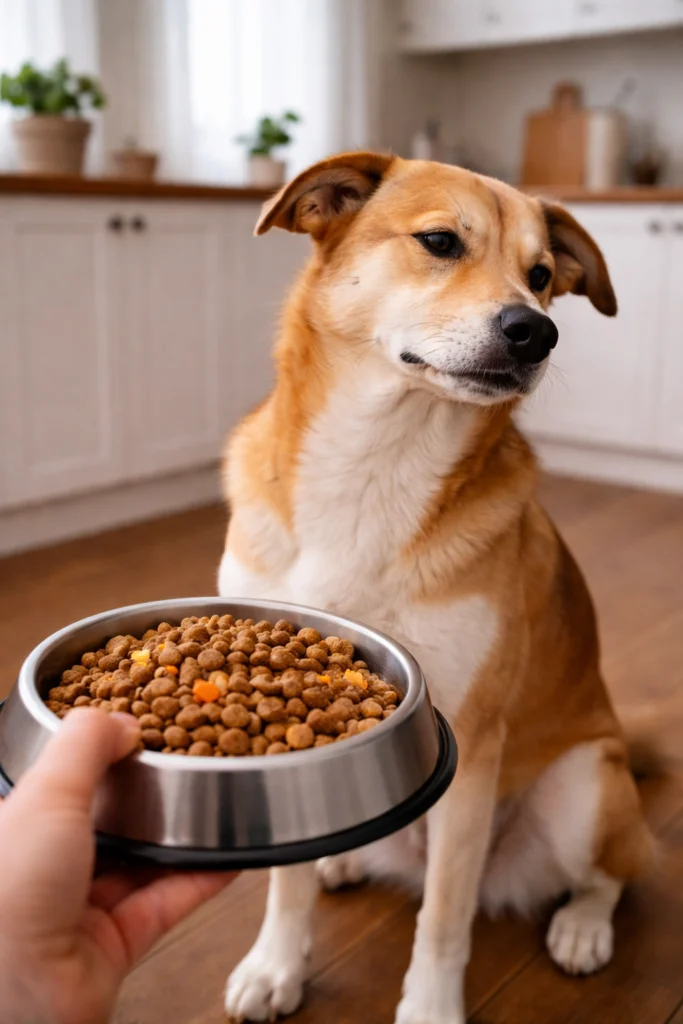
When a dog won’t eat kibble, it may simply avoid the food, turning its head away even when it is being offered.
You may also like
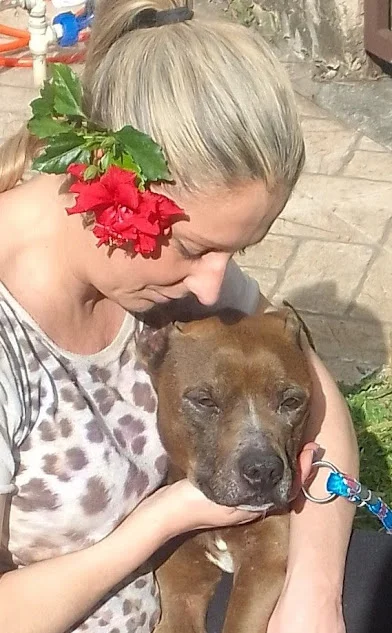

Lusiane Costa is a digital writer with degrees in Marketing and English Literature.
Creator of Latido Lógico and Logical Bark, she develops evidence-based content on canine aging, wellness, and senior-dog health.
The project was inspired by Goe — a senior dog whose longevity and resilience shaped a grounded, compassionate view on the challenges of aging in pets.
Each article reflects her commitment to transforming real experiences into accessible knowledge, helping owners understand, prevent, and care better for their animals at every stage of life.
Goe remains the heartbeat of this project.