March 29, 2026

Is your dog sad? Small signs may show it.
It is not always easy to notice when something has changed in a dog’s behavior. In many cases, the owner only notices that the dog is quieter, less excited, or different from its usual routine, but cannot clearly identify what that means. That is why paying close attention to small everyday signs makes all the difference.
When we think about whether your dog is sad, it is important to remember that dogs show emotional discomfort mainly through behavior. They do not explain what they feel, but they do leave clues. And when these clues are seen together, they help the owner better understand what may be happening.
Changes in behavior deserve attention
One of the first things to observe is a change in the way your dog acts. If your dog has always been engaged, curious, or playful and, suddenly, has become more withdrawn, quieter, or less interested in daily activities, that deserves attention.
Not every change means sadness, but a persistent change in behavior may indicate that something is not right. The most important thing is to compare the present moment with that dog’s usual pattern, not with the behavior of other animals.
Less interest in play and interaction
Many dogs show well-being when they engage with their surroundings, seek out their owner, respond to invitations, and show interest in toys, walks, and small interactions. When that interest decreases, the owner may begin to observe more carefully.
If your dog starts ignoring toys it used to enjoy, avoids interactions, or seems indifferent to stimuli that once excited it, this may be one of the possible signs. In some cases, the dog does not stop participating completely, but takes part with less enthusiasm.
More time alone or withdrawn
Another important aspect is isolation. Some dogs, when they are not emotionally well, tend to withdraw more, look for corners of the house, remain lying down for long periods, or avoid contact. This can happen subtly, and that is exactly why many owners take time to notice it.
It is important to observe whether this withdrawal is occasional or whether it is becoming frequent. A dog that simply rests more on a certain day is not necessarily sad. But a dog that changes the way it relates to the house and the family deserves closer observation.
Changes in appetite and energy
Emotional state can also influence energy levels and, in some cases, appetite. Some dogs become less interested in food; others eat normally, but seem low on energy, with little desire to play, walk, or take part in daily life.
When the owner notices that the dog is more apathetic, sleeping more than usual, or reacting with less liveliness, it is worth observing the full set of behaviors. Sometimes it is not one isolated sign, but the combination of small changes that draws attention.
Boredom, poor routine, and lack of stimulation
In many homes, part of this discouragement may be related to a lack of physical and mental stimulation. Dogs need movement, interaction, walks, novelty, and attention. When the routine becomes too limited, without walks, without environmental enrichment, and without quality time, behavior can change.
This means that, in some cases, what looks like sadness may actually be related to boredom, frustration, or a lack of sufficient stimulation. That is why, before jumping to conclusions, it is worth reviewing the dog’s routine and thinking about whether it is really having opportunities to explore, play, walk, and interact.
Attention and walks are still essential
Many times, the owner looks for complex solutions when the most basic things are still missing. Real attention, connection, and walks make a big difference in a dog’s emotional life. Toys help, but they do not replace companionship, movement, and contact.
A dog that spends too much time alone, goes out very little, or receives little interaction throughout the day may begin to show signs of discouragement. Small routine adjustments can already help: short walks, more presence, simple play, and activities that stimulate the mind.
To make walks more enjoyable, some owners choose more comfortable leashes, which may help the dog feel better and enjoy that moment more.
Check out this well-rated option →https://amzn.to/4cbZuds
See another option →https://amzn.to/4cdLNe0
How to observe more clearly
If you are wondering whether your dog is sad, try observing a few points over the course of several days.
Notice whether your dog is still interested in things it used to enjoy. Observe whether it is quieter than usual, whether it is becoming more isolated, whether its appetite has changed, whether there is less willingness to play or go for walks, and whether its routine is lacking stimulation.
This more attentive way of observing is often very helpful. Instead of looking for one single decisive sign, the ideal is to notice the overall context and the changes compared to your dog’s usual behavior.
When to seek veterinary evaluation
Although sadness, boredom, and emotional changes can influence behavior, it is important to remember that physical changes can also cause apathy. Pain, discomfort, digestive issues, joint problems, or other health conditions may make the dog seem discouraged.
If the signs persist, if they worsen, or if the animal shows a significant loss of appetite, extreme lethargy, or any other more intense change, veterinary evaluation is the safest path. Behavior should never be analyzed in isolation when there is a possibility of a physical problem.
Discover more insights →https://logicalbark.com/when-a-senior-dog-begins-to-refuse-affection-what-could-be-happening/
Conclusion
If you are asking yourself whether your dog is sad, the best path is to observe calmly, without exaggeration and without overlooking the changes. Dogs show a lot through their routine, their interest, their energy, and the way they interact with the home and with people.
In many cases, more attention, more walks, and more stimulation already help a lot. In other cases, it will be important to investigate further. The essential thing is to understand that behavior also communicates. And when the owner learns to observe with greater sensitivity, they are able to care better and act at the right time.

To make walks more enjoyable, some owners choose more comfortable leashes, which may help the dog feel better and enjoy that moment more.
You may also like
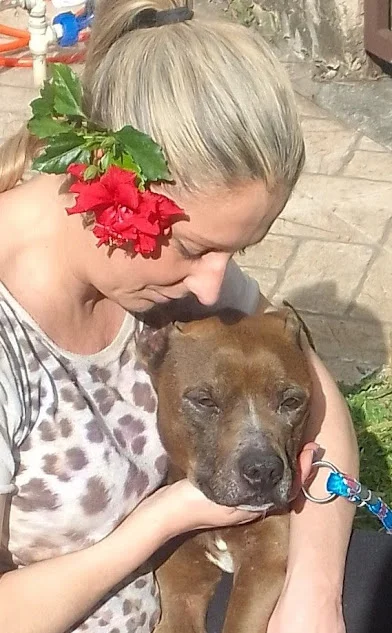

Lusiane Costa is a digital writer with degrees in Marketing and English Literature.
Creator of Latido Lógico and Logical Bark, she develops evidence-based content on canine aging, wellness, and senior-dog health.
The project was inspired by Goe — a senior dog whose longevity and resilience shaped a grounded, compassionate view on the challenges of aging in pets.
Each article reflects her commitment to transforming real experiences into accessible knowledge, helping owners understand, prevent, and care better for their animals at every stage of life.
Goe remains the heartbeat of this project.