February 26, 2026
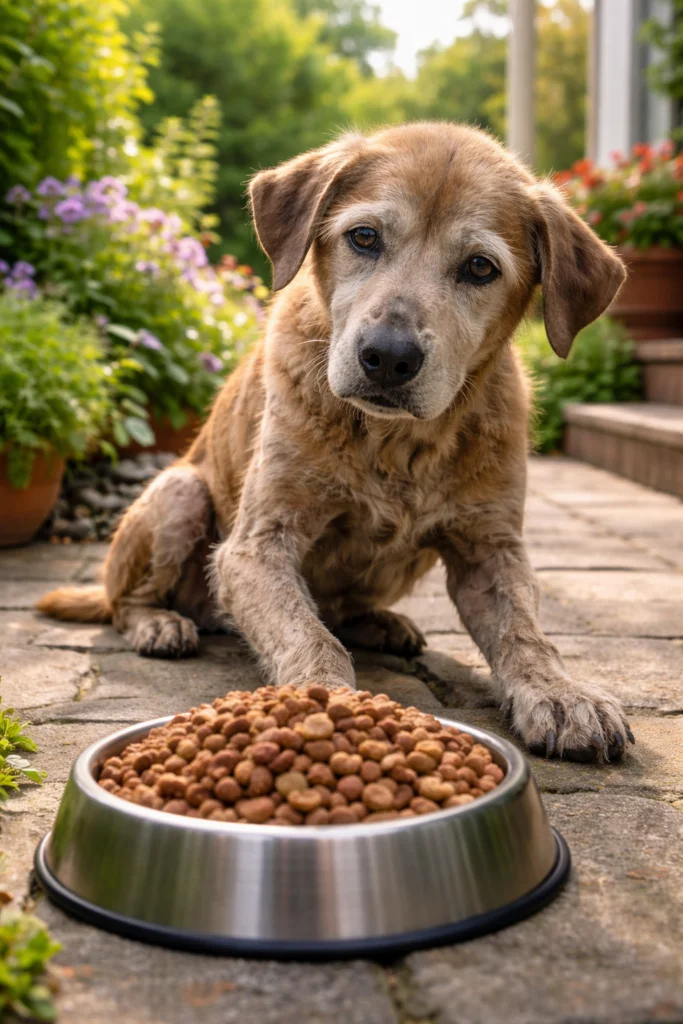
Observe the signs before changing the food: joint pain may be affecting your dog’s appetite.
When joint pain affects an older dog’s appetite, the most common reaction is to focus on the food itself. The kibble is changed, the schedule is adjusted, a treat is added. Even so, the problem often continues. This happens because, in senior dogs, food refusal is not always related to taste. In many cases, it functions as an indirect sign of physical discomfort, especially when mobility begins to require more effort than before.
In later life, joint changes go beyond walking. They influence mood, daily rhythm, and the willingness to get up — and, as a consequence, the way the dog relates to food. When walking to the bowl, maintaining posture, and chewing begin to cause discomfort, interest in the meal decreases — even without necessarily being a problem with the food itself.
Why Joint Pain Can Reduce Appetite
Joint pain rarely limits itself to movement. When inflammation sets in, overall energy and disposition change. In practical terms, the dog conserves energy. It avoids what requires effort, postpones what causes discomfort, and eating can fall into that category. Eating involves moving, bending, supporting the body, and maintaining position for several minutes. In cases of stiffness, arthritis, or sensitivity in the shoulders, hips, and spine, this set of actions becomes more “costly” for the body.
In addition, persistent pain affects the organism as a whole. Physiological stress alters sleep patterns, and tolerance to stimuli is reduced. As a result, the dog may appear less interested in activities that once seemed simple — including meals.
Objective Signs That Appetite May Be Linked to the Joints
Instead of looking only at the bowl, observe the path toward it. Some signs commonly accompany situations in which appetite declines due to locomotor discomfort:
- Difficulty getting up before meals;
- Hesitation when approaching the food bowl;
- Different posture while eating (stiffer body, uneven weight distribution on the paws);
- Pauses during the meal as if something were bothering;
- Irritability when touched around hips, shoulders, or lower back;
- Preference for eating lying down or away from the usual spot;
- General reduction in activity and less interest in walks.
If two or three of these signs appear along with decreased appetite, the likelihood of a connection with joint pain increases.
A Common Pattern: Eating Less on “Harder” Days
In many households, a recurring pattern can be noticed: on colder days, after physical effort, or following long periods of rest, joint stiffness tends to increase.
Under these circumstances, appetite decreases. Not because of stubbornness, but because the body shifts into an energy-saving mode.
When comfort improves, eating tends to improve as well.
If this variation occurs frequently, it is worth recording — even in a simple way — to report to the veterinarian.
The Experience Observed with GOE
In routines observed with GOE, phases of lower food intake coincided with periods of greater joint stiffness. At first, these moments were interpreted as food selectivity or simple changes in taste.
After veterinary evaluation, it became clear that joint discomfort was directly influencing feeding behavior.
The height of the bowls and feeding location were adjusted, joint support was implemented under professional guidance, and the diet was adapted according to clinical recommendation.
With these measures, mobility gradually improved and, in parallel, interest in food increased.
This experience supports a practical idea: when joint pain becomes part of daily life, the entire behavioral pattern can change — and appetite is often one of the first signs to fluctuate.
Joint supplement for senior dogs: examples used with veterinary guidance: https://amzn.to/3MZ7hS9
What to Do When You Suspect This Connection
Before changing everything in the diet, organize a simple evaluation. A functional checklist may include:
- Observe posture: does the dog eat standing comfortably, or seek to lie down?
- Test bowl height: slightly elevate the bowl and observe the reaction.
- Evaluate the floor: does the dog slip along the path? Add a non-slip mat if necessary.
- Check movement: does the dog get up stiffly? Does it take time to start walking?
- Seek veterinary guidance: rule out metabolic causes and confirm joint condition.
This approach helps avoid endless trial and error. The goal is not to “invent” a diagnosis, but to refine observation and arrive at the appointment with useful information.
Environmental Adjustments That Often Help
Some measures, when implemented thoughtfully, tend to reduce physical strain and make feeding easier:
- Raising the bowl to reduce shoulder and spinal flexion;
- Using a non-slip mat to stabilize footing;
- Offering smaller portions to reduce sustained posture time;
- Providing a more protected space to eat without interruptions;
- Maintaining predictable meal times to reduce stress and hesitation.
When discomfort is reduced, the likelihood of the dog approaching the bowl with greater willingness improves.
Nutritional Support: When to Consider It and How to Choose
In senior dogs, nutritional support may be part of management, provided it is evaluated by a professional. Compounds such as glucosamine, chondroitin, and omega-3 frequently appear in joint care strategies. However, response varies according to the individual dog, weight, severity of the condition, and presence of other factors.
The central point is to avoid impulsive decisions. Supplements do not replace clinical evaluation. When pain persists, appetite drops, and behavior changes, it is advisable to assess the whole picture: joints, dental health, laboratory exams, and daily routine. Only then should intervention be defined with proper criteria.
Read another article that complements this topic → https://logicalbark.com/chondroitin-for-senior-dogs-what-it-is-what-its-for-and-when-it-makes-sense/
Conclusion
When joint pain interferes with a senior dog’s appetite, the sign often appears in everyday life. Food refusal does not always indicate selectivity or lack of palatability; it may reflect a body conserving energy to cope with discomfort.
Adjusting the environment, observing carefully, and seeking veterinary guidance increase the chances of appropriate intervention.
At Logical Bark, growing older alongside a dog means adapting routines, reviewing spaces, and following each change with practical attention. Well-grounded decisions help preserve well-being and quality of life throughout the senior years.
Disclaimer: This content is for informational purposes only and does not replace veterinary guidance.

When the body rests comfortably, the joints ease — and appetite tends to follow that balance.
You may also like
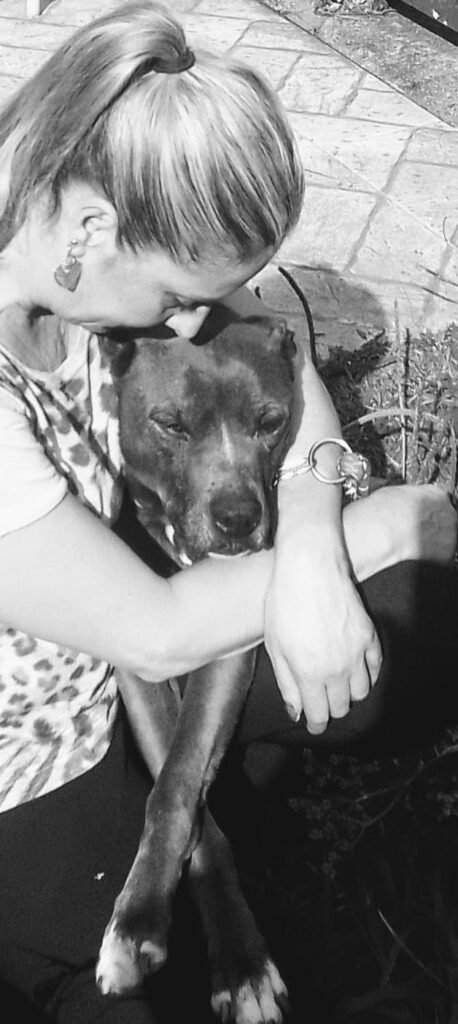

Lusiane Costa is a digital writer with degrees in Marketing and English Literature.
Creator of Latido Lógico and Logical Bark, she develops evidence-based content on canine aging, wellness, and senior-dog health.
The project was inspired by Goe — a senior dog whose longevity and resilience shaped a grounded, compassionate view on the challenges of aging in pets.
Each article reflects her commitment to transforming real experiences into accessible knowledge, helping owners understand, prevent, and care better for their animals at every stage of life.
Goe remains the heartbeat of this project.