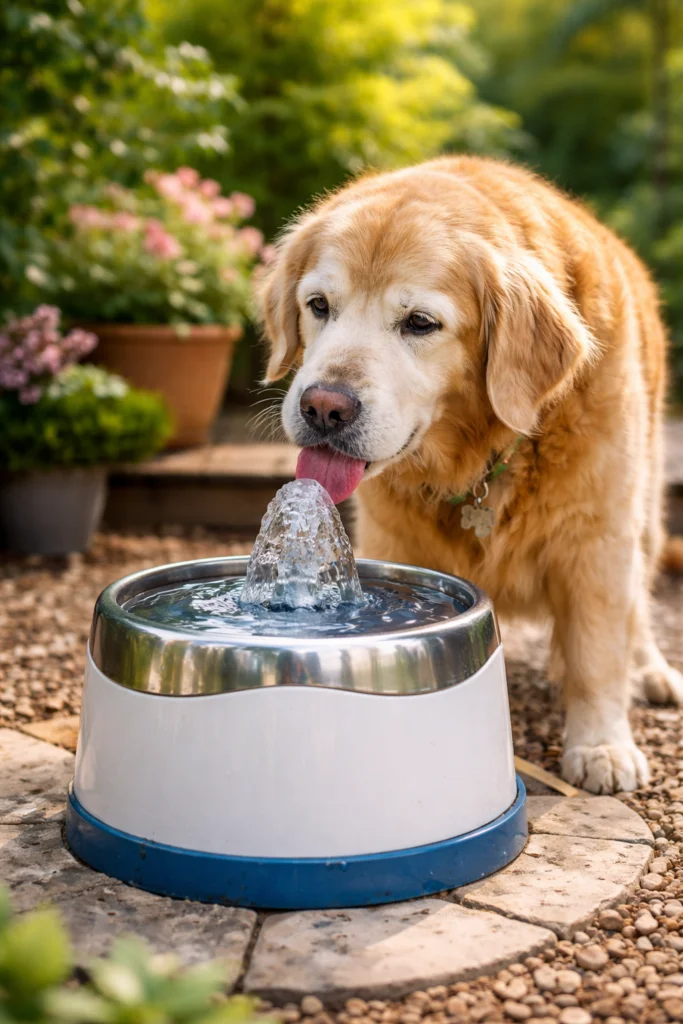
💧 Adequate hydration is essential to protect senior dogs’ joints, especially on hotter days.
Summer represents a period that requires special attention for senior dogs, particularly when it comes to joint health. As dogs age, their bodies undergo important physiological changes, including a reduced ability to dissipate heat, decreased tissue elasticity, and chronic inflammatory alterations that directly affect the joints. In hot environments, these factors tend to intensify.
Senior dogs’ joints are more sensitive to temperature because they involve tissues already compromised by the natural wear of aging, such as cartilage, ligaments, and supporting musculature. Excessive heat can promote local blood vessel dilation, increase joint swelling, and intensify subclinical inflammatory processes, even in dogs without a formal diagnosis of osteoarthritis.
Concentration of body heat and joint impact
During hot days, a dog’s body directs its efforts toward maintaining a stable internal temperature. In senior dogs, this mechanism is less efficient. As a result, heat tends to concentrate in regions with greater body mass and less ventilation, including the hips, knees, shoulders, and spine—areas frequently associated with reduced mobility.
This thermal concentration can lead to increased joint stiffness, discomfort when standing up, difficulty changing positions, and greater reluctance to walk. Many guardians notice that the dog spends more time lying down or seeks out cool surfaces, such as ceramic floors, in an instinctive attempt to relieve excess heat and joint discomfort.
Reduced movement and the cycle of functional loss
It is common for senior dogs to spontaneously reduce their physical activity levels during the summer. This decrease should not be interpreted merely as laziness or seasonal fatigue. It is a physiological response to the combination of heat, joint discomfort, and reduced tolerance to exertion.
However, prolonged reduction in movement can trigger a negative cycle. Less physical activity leads to a gradual loss of muscle mass, especially in the hind limbs. This muscle loss reduces joint stability, increasing the load on already fragile structures and further promoting stiffness and functional limitation.
Discover more details in this content → https://logicalbark.com/light-exercises-for-senior-dogs-at-home-7-safe-and-gentle-activities/
Inflammation, aging, and heat
Aging is associated with a low-grade inflammatory state known as subclinical chronic inflammation. Excessive heat can intensify this process, worsening joint discomfort even in dogs that do not show obvious lameness. Small inflammations, when combined, directly impact the senior dog’s quality of life.
Additionally, heat can alter the viscosity of synovial fluid, which is responsible for lubricating the joints. Less efficient lubrication contributes to increased joint friction, stiffness when initiating movement, and difficulty maintaining activity for extended periods.
Hydration and joint health
Adequate hydration is an essential factor for joint health, especially during the summer. Water actively participates in muscle metabolism, kidney function, and the balance of joint tissues. In senior dogs, insufficient water intake can worsen joint stiffness and increase the risk of discomfort during movement.
During hot periods, fluid loss occurs more intensely, whether through panting or reduced spontaneous water intake. For this reason, strategies that encourage hydration become fundamental to protecting joints and preserving mobility.
Explore this practical solution → https://amzn.to/3N8xIEZ
Environmental adaptation during summer
Protecting senior dogs’ joints during the summer also involves environmental adjustments. Well-ventilated spaces, access to cool surfaces, and shaded areas help reduce the impact of body heat. Inadequate bedding, overly soft surfaces, or slippery floors can hinder movement and increase joint strain.
Calmer routines, with walks scheduled during times of lower sun exposure, help preserve energy and prevent thermal and joint overload. The goal is not to eliminate movement, but to adapt it to the senior dog’s physical capacity.
Ongoing observation and prevention
Summer requires heightened attention to subtle signs of joint discomfort. Changes in posture when lying down, difficulty standing up, reduced interest in usual activities, and alterations in gait should be carefully observed. These signs do not indicate fragility, but rather the need for routine adjustments.
Protecting senior dogs’ joints in hot weather does not mean restricting life, but understanding the limits imposed by aging and environmental conditions. With proper hydration, an adapted environment, respect for individual pace, and professional follow-up when necessary, it is possible to get through summer while preserving mobility, comfort, and well-being.
Check out another text that complements this topic →https://logicalbark.com/mobility-and-comfort-for-senior-dogs-goes-experience-%f0%9f%90%be/
Conscious care during the warmer months helps senior dogs maintain their autonomy for as long as possible, allowing them to age with greater quality and balance.
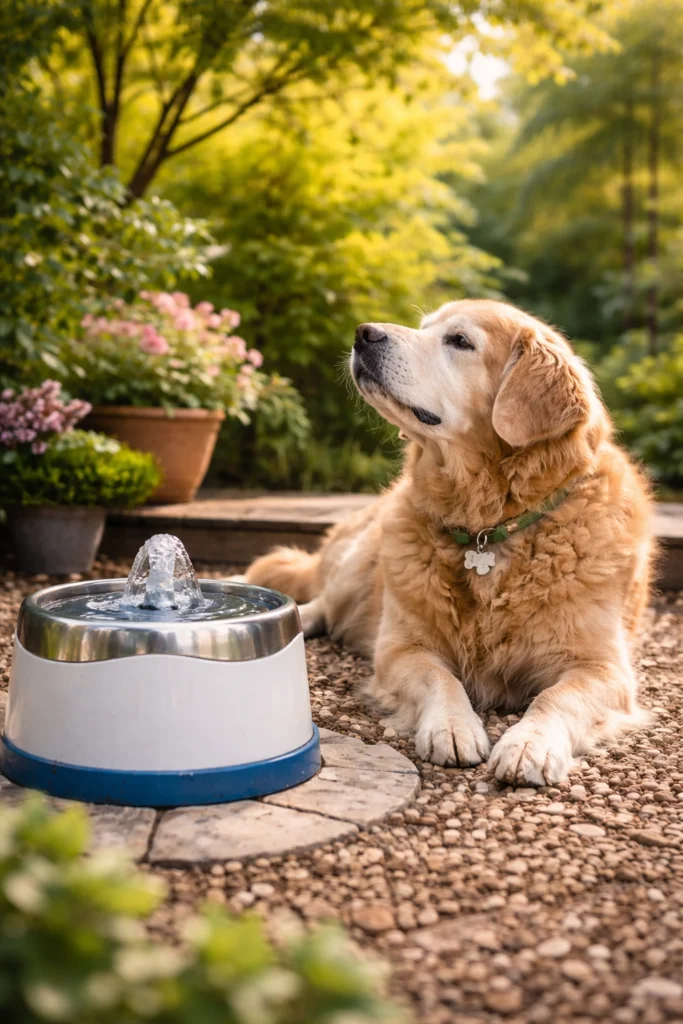
Caring for hydration is an essential part of protecting senior dogs’ joints during summer
You may also like
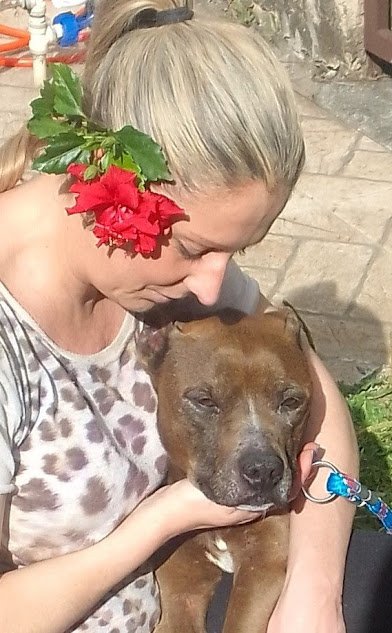

Lusiane Costa is a digital writer with degrees in Marketing and English Literature.
Creator of Latido Lógico and Logical Bark, she develops evidence-based content on canine aging, wellness, and senior-dog health.
The project was inspired by Goe — a senior dog whose longevity and resilience shaped a grounded, compassionate view on the challenges of aging in pets.
Each article reflects her commitment to transforming real experiences into accessible knowledge, helping owners understand, prevent, and care better for their animals at every stage of life.
Goe remains the heartbeat of this project.