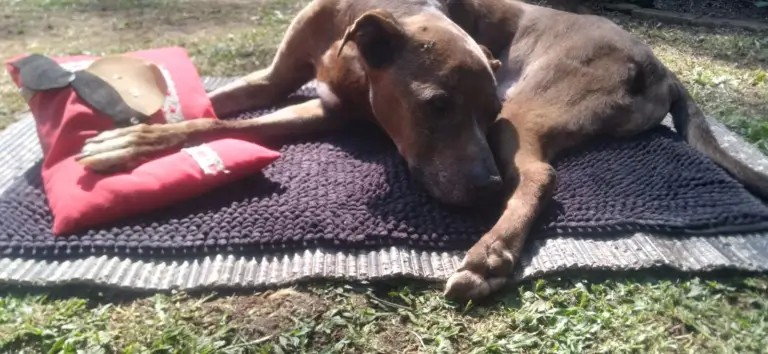
GOE showing signs of canine sarcopenia
Canine sarcopenia in senior dogs — that is, the progressive loss of muscle mass and strength — is far more common than many guardians realize. It does not appear overnight. Instead, it develops gradually, influenced by aging, chronic diseases, and periods of immobility following surgery or episodes of intense pain. Recognizing these signs and adjusting daily routines makes a direct difference in a senior dog’s quality of life.
In this article, we explain what canine sarcopenia is, which signs deserve attention, how guardians can intervene in everyday care, and how living with GOE, my senior dog, helped me understand in practice the real impact of this condition.
What is sarcopenia in senior dogs?
Canine sarcopenia is characterized by the gradual reduction of muscle mass associated with aging and disease processes. In senior dogs, it often emerges during phases when the body is more vulnerable — whether due to joint disease, tumors, endocrine disorders, or long periods of rest and restricted movement.
The main factors that contribute to sarcopenia in senior dogs include:
- Prolonged immobility: surgeries, intense pain, or mobility difficulties lead dogs to spend more time lying down, accelerating muscle weakness.
- Chronic diseases: orthopedic, neurological, cardiac, or oncological conditions demand significant physiological effort and can deplete muscle reserves.
- Inadequate nutrition: diets that do not meet the protein needs of senior dogs favor muscle loss and reduced energy.
- Natural aging: even in the absence of severe illness, aging bodies gradually lose muscle fibers.
In practice, sarcopenia is not merely a technical diagnosis. It changes how a dog stands up, walks, rests, interacts with the environment, and even responds to treatment.
Signs of canine sarcopenia: what to observe in daily life
The signs of sarcopenia in senior dogs may be subtle at first and intensify over time. Key points to observe include:
- Visible muscle loss: thinner muscles in the thighs, lumbar region, and shoulders, with more prominent bone contours.
- Difficulty standing up: taking longer to rise from a lying position, needing assistance, or slipping easily.
- Short, cautious steps: conserving energy, avoiding ramps, stairs, or slippery surfaces.
- Rapid fatigue: walks that were once simple now require frequent pauses.
- Changes in resting posture: favoring one side, avoiding body rotation, or resisting position changes.
These signs do not always indicate acute pain, but they do reflect increased physical effort to maintain basic activities and should always be discussed with a veterinarian.
My experience with GOE and canine sarcopenia
Living with GOE, who reached his senior years at 16 and a half, sarcopenia emerged as a consequence of a complex disease process and periods of immobility following procedures and episodes of significant pain. Gradually, the muscles in his legs, back, and even his head became thinner, and every change in position required more care.
Noticing this muscle loss was not just a clinical observation. It changed how we organized the house, how we offered support for standing up, how we adjusted his bedding, managed time in each room, and planned every movement. Sarcopenia affected my dog in concrete ways: he needed firm surfaces, chest support to rise, longer rest intervals, and constant supervision to prevent minor incidents.
At the same time, GOE maintained his distinctive traits of resilience and adaptation. Even with advanced sarcopenia, he sought to follow household activity, accepted assistance to reposition himself, and demonstrated — through his gaze and spatial choices — his desire to remain part of daily life. This coexistence of physical fragility and inner strength became a daily lesson in canine aging.
This experience reinforced that sarcopenia is not simply “weakness.” It requires reorganization of space, time, and caregiving approaches to prevent injury while respecting the dog’s desire to maintain routines that the body can no longer sustain independently.
How to help a senior dog with sarcopenia in daily care
Although sarcopenia is linked to aging and underlying disease, several strategies can reduce its impact and preserve comfort:
- Adjust bedding: firm orthopedic beds with easy access help reduce pressure points and facilitate position changes.
- Improve flooring: non-slip rugs and runners provide traction and reduce falls.
- Use support aids: harnesses or lifting slings assist with standing, navigating steps, or short walks.
- Divide movement into stages: shorter routes with planned rest intervals are safer than long continuous walks.
- Maintain gentle stimulation: controlled walks, veterinarian-guided exercises, and adapted environmental enrichment help preserve remaining muscle strength.
In some cases, veterinarians may also recommend specific joint and muscle support supplements, always considering the dog’s overall clinical condition.
See joint supplements that support senior dogs — View this suggested option →https://amzn.to/4sA31bW
Related reading: https://logicalbark.com/natural-supplements-to-strengthen-senior-dogs-joints/
The role of veterinary care and physiotherapy in canine sarcopenia
Sarcopenia in senior dogs should never be managed solely through home observation. Veterinary follow-up is essential to:
- investigate underlying diseases (orthopedic, neurological, metabolic, or oncological);
- adjust pain and anti-inflammatory medications when needed;
- optimize nutritional plans, including protein and caloric assessment;
- recommend physiotherapy and rehabilitation when appropriate.
Veterinary physiotherapy may include assisted exercises, hydrotherapy, gentle stretching, and gradual strengthening techniques. For dogs like GOE, whose sarcopenia was associated with complex disease, these approaches must always respect comfort limits.
How guardians cope emotionally with canine sarcopenia
Living alongside GOE as sarcopenia progressed was both emotionally intense and a continuous exercise in responsibility. Witnessing bodily changes was painful, but it required clarity to care properly. Each day demanded understanding his pace, interpreting subtle signals, adjusting routines, and refining supportive actions.
Even when GOE’s body no longer retained its previous muscle mass, there remained an inner strength that could not be measured in fibers, but in resilience — a form of endurance as significant as any physical vigor.
Conclusion: sarcopenia is not just muscle loss — it is a call to reorganize care
Canine sarcopenia in senior dogs goes far beyond a technical term. It reflects the combined effects of aging, chronic illness, and immobility. Recognizing early signs, adapting the environment, seeking veterinary guidance, and using physiotherapy when indicated are essential steps to preserve comfort and dignity.
For guardians, understanding sarcopenia also helps alleviate guilt: many changes are unavoidable, yet much can be done to create a safer, less exhausting daily routine. Every rug placed, every lift offered, and every shared decision with a veterinarian shows that the dog is not simply “weakening,” but being accompanied with responsibility and care.
At Latido Lógico, we believe that discussing sarcopenia in senior dogs means discussing concrete caregiving choices — adapting the home, adjusting routines, and listening attentively to what the dog’s body communicates. In doing so, guardians transform knowledge into practice and offer their senior companions a phase of life marked by safety, support, and calm.
Sarcopenia may alter muscular structure, but it does not change what truly sustains the bond between guardian and dog: the enduring strength that guides decisions and supports a shared life story.
To continue the reflection, read also: https://logicalbark.com/collagen-and-natural-chondroprotective-supplements-quiet-allies-for-senior-dogs-joints/

The loss of strength changes the body — never the bond of a lifetime
You might enjoy
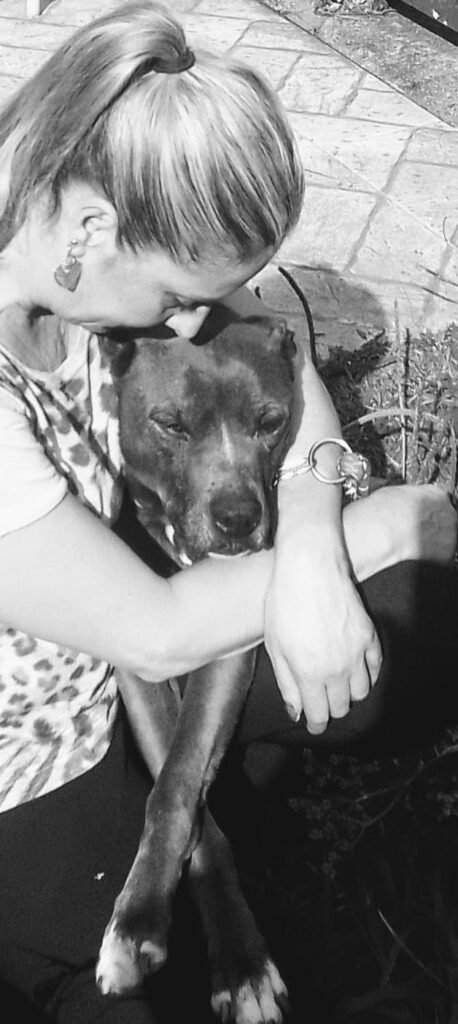

Lusiane Costa is a digital writer with degrees in Marketing and English Literature.
Creator of Latido Lógico and Logical Bark, she develops evidence-based content on canine aging, wellness, and senior-dog health.
The project was inspired by Goe — a senior dog whose longevity and resilience shaped a grounded, compassionate view on the challenges of aging in pets.
Each article reflects her commitment to transforming real experiences into accessible knowledge, helping owners understand, prevent, and care better for their animals at every stage of life.
Goe remains the heartbeat of this project.