
Extra weight carries lessons of care and the responsibility to safeguard our pets’ well-being.
The Importance of Keeping Balance
Just like humans, dogs also suffer from the effects of overweight and obesity. An overweight animal not only loses the willingness to play and move, but also faces serious risks of developing heart, joint, metabolic, and even respiratory diseases. Taking care of a dog’s weight—especially in senior years—is an act of responsibility and affection that translates into longevity and well-being.
Why Is Excess Weight So Harmful?
The accumulation of fat in a dog’s body overloads several systems. The heart works harder, joints experience greater wear, breathing becomes limited, and the risk of diabetes increases. In addition, excess weight reduces mobility and energy, creating a cycle that is difficult to break.
How to Tell If Your Dog Is Overweight
- It’s not only about the scale—clear signs help guardians recognize it:
- Difficulty feeling the ribs when gently touching the chest.
- Loss of a visible waist when viewed from above.
- Quick fatigue during short walks or light play.
- Noticeable increase in food intake without equivalent activity.
- Preference for lying down or sleeping rather than interacting.
Effective Strategies to Help Your Dog
- Balanced nutrition: choose high-quality, veterinarian-supervised weight-control formulas.
- Portion control: gradual reductions are safer than abrupt changes.
- Light, regular exercise: short walks, cognitive activities, and movement-stimulating games.
- Avoid excess treats: swap calorie-dense biscuits for lighter options like cooked vegetables (carrot, zucchini).
- Discover more insights → https://logicalbark.com/healthy-homemade-recipes-for-senior-dogs-nutrition-and-flavor-for-your-pets-golden-years/
- Weight monitoring: monthly weigh-ins help track progress.
- Veterinary follow-up: adjust diet and exercise based on your dog’s health status.
The Role of Functional Nutrition
More and more, veterinarians recommend adding supplements such as omega-3s, chondroprotectors, and natural fibers to support satiety, reduce inflammation, and aid joint health. Choices should always be guided by a professional, but they can be a turning point in the weight-loss process and in maintaining vitality.
- Discover this recommended choice → https://amzn.to/43yVdMv
- Liquid Omega-3 for pets: https://amzn.to/47CvOUA
The Guardian as an Agent of Change
Guardian discipline is the key factor. Keeping diet consistent, resisting pleading eyes, and offering enjoyable activities is a daily act of care. Small habit changes, when sustained, can radically transform a dog’s health and joy. Remember: each daily effort is an investment in more years together and in moments shared with those who give us so much love.
Caring for an overweight or aging dog is not simply about reducing numbers on a scale — it’s a continuous act of observation, patience, and emotional connection. Guardians play a decisive role in transforming the daily life of their dogs, one routine at a time. Every walk, every measured portion, and every moment of affection become part of a living dialogue that teaches both the human and the animal about resilience and mutual trust.
Deepen your understanding →https://logicalbark.com/exercises-for-senior-dogs-how-to-keep-your-friend-active-and-healthy-in-their-golden-years/
True guardianship begins with awareness. Recognizing that a dog’s weight gain often reflects emotional and environmental factors — not just diet — helps create a more compassionate approach to care. Changes in routine, reduced playtime, or even the loss of a companion can lead to overeating and apathy. When a guardian identifies these signs early, small adjustments in daily habits can restore motivation and vitality without resorting to drastic interventions.
One of the most powerful tools a guardian has is consistency. Regular feeding times, portion control, and structured walks provide a sense of security that dogs instinctively respond to. Consistency builds confidence, and confidence supports movement and exploration — essential elements for maintaining a healthy weight and emotional balance. Even a 15-minute stroll around the block can become a moment of renewal when it’s shared with intention and joy.
Equally important is emotional presence. Dogs are extraordinarily perceptive; they sense tone, energy, and even the unspoken emotions of their humans. When a guardian radiates calmness and encouragement instead of frustration or guilt, the animal mirrors that energy. Encouraging words, gentle praise, and soft contact release oxytocin in both species, strengthening the bond that motivates behavioral change far more effectively than discipline alone.
Guardians also become silent teachers for others. Family members, children, and friends learn through example what it means to care with intention. When visitors see a senior dog receiving balanced meals, slow affection, and adapted physical activities, they witness an ethic of care that goes beyond animal companionship — it becomes a form of moral education. Through this process, the guardian’s home evolves into a small ecosystem of empathy, where the wellbeing of one living being naturally influences that of others.
Technology can also assist in this journey. Smart feeders, activity trackers, and veterinary apps allow guardians to monitor progress and celebrate small victories. Tracking weight, water intake, and playtime transforms invisible progress into tangible motivation. Yet even with digital support, nothing replaces the guardian’s intuition — the quiet understanding of a look, a sigh, or a wagging tail that says, “I’m trying, too.”
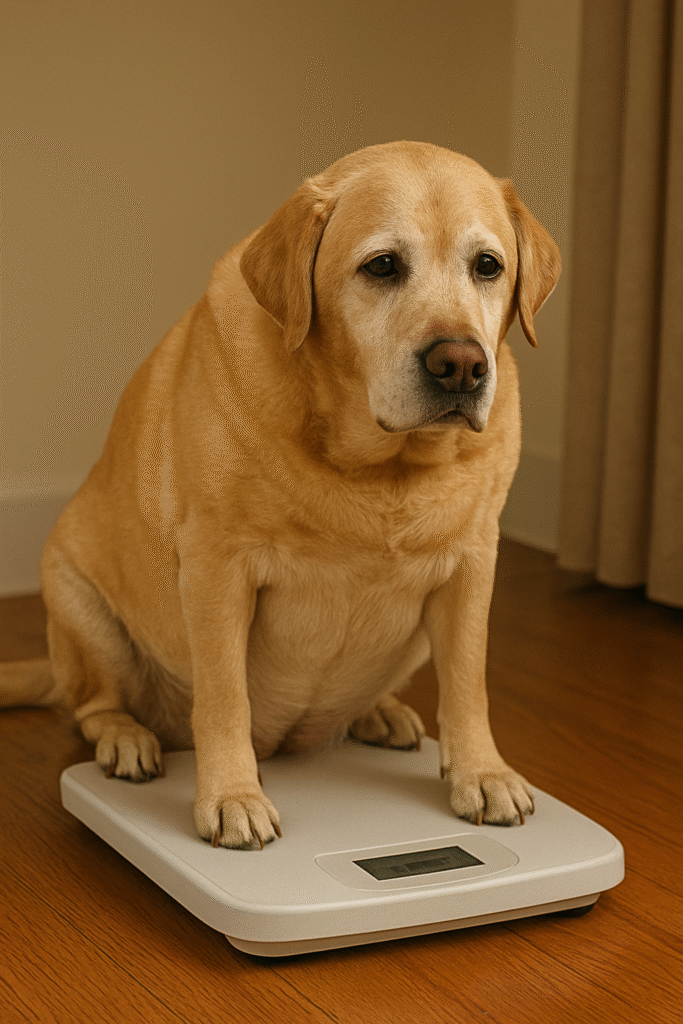
Guardian recording the weight of their senior, overweight dog.
Over time, this mindful care creates visible and invisible transformations. The dog moves more freely, breathes more easily, and reclaims curiosity. The guardian, in turn, develops patience, discipline, and emotional literacy. Together, they construct a rhythm of coexistence based on respect, routine, and reciprocal growth. The result is more than a healthier dog; it’s a more conscious human being.
✅ Conclusion
Helping an overweight dog goes far beyond aesthetics: it restores quality of life, prevents silent diseases, and ensures longevity. Each pound lost means less strain on the heart, joints, and breathing. With patience, consistency, and kindness, it’s possible to turn an overweight dog’s routine into a path of vitality and well-being.
Ultimately, caring for dogs with weight problems reaffirms the bond that unites guardian and pet—a relationship grounded in respect and dedication that withstands time and renews itself with every caring gesture. Caring for dogs with weight issues is more than a health task: it’s an altruistic act that spans the years. A guardian’s attentive eye, together with veterinary guidance, can transform a pet’s routine, bringing back energy, joy, and a zest for life.
At Logical Bark, we believe that every step toward balance strengthens the bond between humans and their lifelong companions. Quality of life is built day by day—and it always begins with care and love for our pets.

Senior dog resting with visible signs of excess weight
You may Also Like
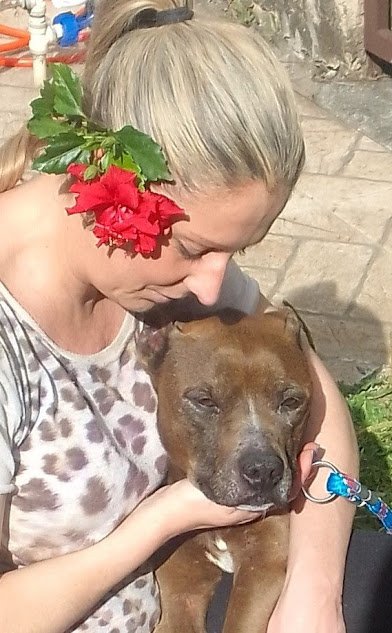

Lusiane Costa is a digital writer with degrees in Marketing and English Literature.
Creator of Latido Lógico and Logical Bark, she develops evidence-based content on canine aging, wellness, and senior-dog health.
The project was inspired by Goe — a senior dog whose longevity and resilience shaped a grounded, compassionate view on the challenges of aging in pets.
Each article reflects her commitment to transforming real experiences into accessible knowledge, helping owners understand, prevent, and care better for their animals at every stage of life.
Goe remains the heartbeat of this project.