What the experience with Loli and GOE has shown over time
February 18, 2026

Glucosamine for senior dogs: when joint support makes a difference in daily life
As dogs age, many begin to show signs of joint discomfort that go beyond simply “getting older.” Difficulty standing up, stiffness after periods of rest, reduced willingness to walk, and subtle changes in how they place their paws are often the first warning signs. Faced with this, a common question arises among dog guardians: does glucosamine for senior dogs actually help?
Glucosamine is a compound naturally present in the joints and plays a role in maintaining cartilage. Over time, its production tends to decrease, especially in senior dogs or in contexts of chronic inflammation. For this reason, it has become one of the most commonly used supplements when the goal is to preserve mobility and joint comfort.
Discover this recommended option → https://amzn.to/4aniODS
However, glucosamine does not act as an immediate pain reliever nor as a fast-acting anti-inflammatory. Its effects are gradual and depend on continuous use. In practice, this means it works best when integrated into broader care that includes veterinary follow-up, weight management, age-appropriate routines, and close observation of the dog.
The experience with Loli clearly illustrated this point. In her case, the joint issue was not isolated: there was a history of significant systemic inflammation, involving intestinal and immune factors. Glucosamine was not introduced as a standalone solution, but as part of a set of adjustments. Over time, improvements in joint comfort were observed, especially during periods when the overall inflammatory condition was more balanced. This reinforced an important insight: in dogs with chronic conditions, the joints often reflect the state of the body as a whole.
With GOE, the experience was different but equally revealing. In a context of aging associated with a complex clinical condition, the primary concern was preserving quality of life and functionality. Glucosamine played a supportive role, helping maintain mobility as much as possible and reducing stiffness related to physical overload and the progression of the condition itself. There was no expectation of “reversal,” but rather of sustained support—and in that sense, the supplement fulfilled its role.
These two experiences make it clear that glucosamine can indeed be useful for senior dogs, as long as it is used with realistic expectations. It does not rejuvenate joints nor replace treatment of underlying causes when there is intense pain or active inflammation. Its greatest benefit appears when the goal is to provide long-term joint support, slowing functional decline and contributing to daily comfort.
It is also important to remember that not every mobility issue in senior dogs originates exclusively from the joints. Metabolic changes, muscle pain, systemic inflammatory processes, and even chronic diseases can directly affect how a dog moves. In such cases, focusing solely on joint supplementation without considering the broader context often leads to limited results.
See another article that complements this topic →https://logicalbark.com/chondroitin-for-senior-dogs-what-it-is-what-its-for-and-when-it-makes-sense/
For this reason, before starting glucosamine, it is essential to observe the dog as a whole: clinical history, previous responses, activity level, and individual needs. In senior dogs, joint supplementation makes the most sense when it is part of a conscious care strategy, not an isolated attempt at a solution.
One aspect often overlooked in joint supplementation is response time. In senior dogs—especially those with a history of chronic inflammation or associated conditions—the response to glucosamine is usually slow and gradual. In many cases, the first noticeable signs are not dramatic changes in gait, but subtle functional improvements, such as greater ease in standing up, less stiffness upon waking, or increased willingness for short walks.
Another important factor is consistency of use. Glucosamine tends to yield better results when used continuously, at doses appropriate to the dog’s size and clinical condition. Frequent interruptions or very short usage periods often create the false impression that the supplement “does not work,” when in reality the body has not yet had sufficient time to respond.
It is also essential to consider that, in senior dogs, the joints are rarely an isolated system. Muscle changes, loss of lean mass, systemic inflammation, and even shifts in physical activity patterns directly influence the response to supplementation. For this reason, glucosamine tends to be more effective when integrated into a routine that respects the limits of aging, with adapted movement, adequate rest, and regular veterinary monitoring.
When viewed within this broader context, glucosamine ceases to be seen as a quick fix and takes on its true role: continuous support for joint function, helping senior dogs maintain autonomy and comfort for as long as possible.

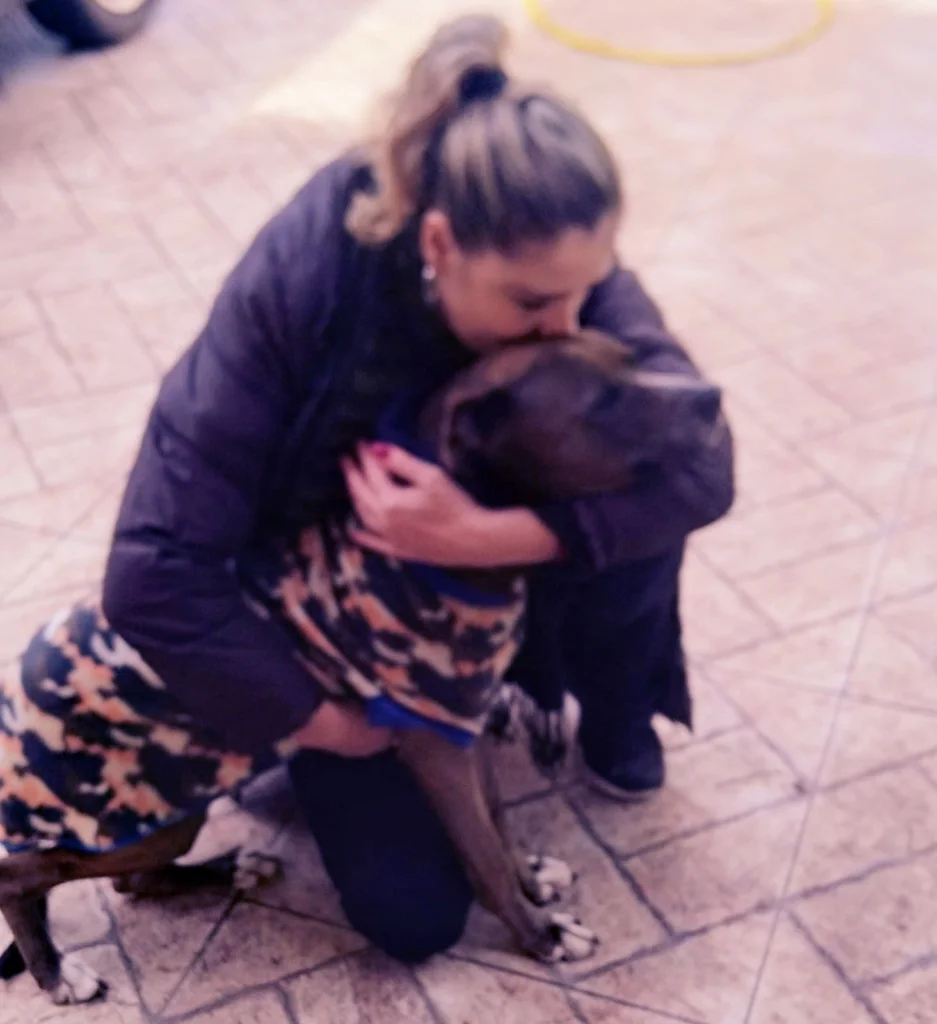
Moments of rest also help sustain mobility and well-being in senior dogs.<
You may also like

Lusiane Costa is a digital writer with degrees in Marketing and English Literature.
Creator of Latido Lógico and Logical Bark, she develops evidence-based content on canine aging, wellness, and senior-dog health.
The project was inspired by Goe — a senior dog whose longevity and resilience shaped a grounded, compassionate view on the challenges of aging in pets.
Each article reflects her commitment to transforming real experiences into accessible knowledge, helping owners understand, prevent, and care better for their animals at every stage of life.
Goe remains the heartbeat of this project.