March 5, 2026
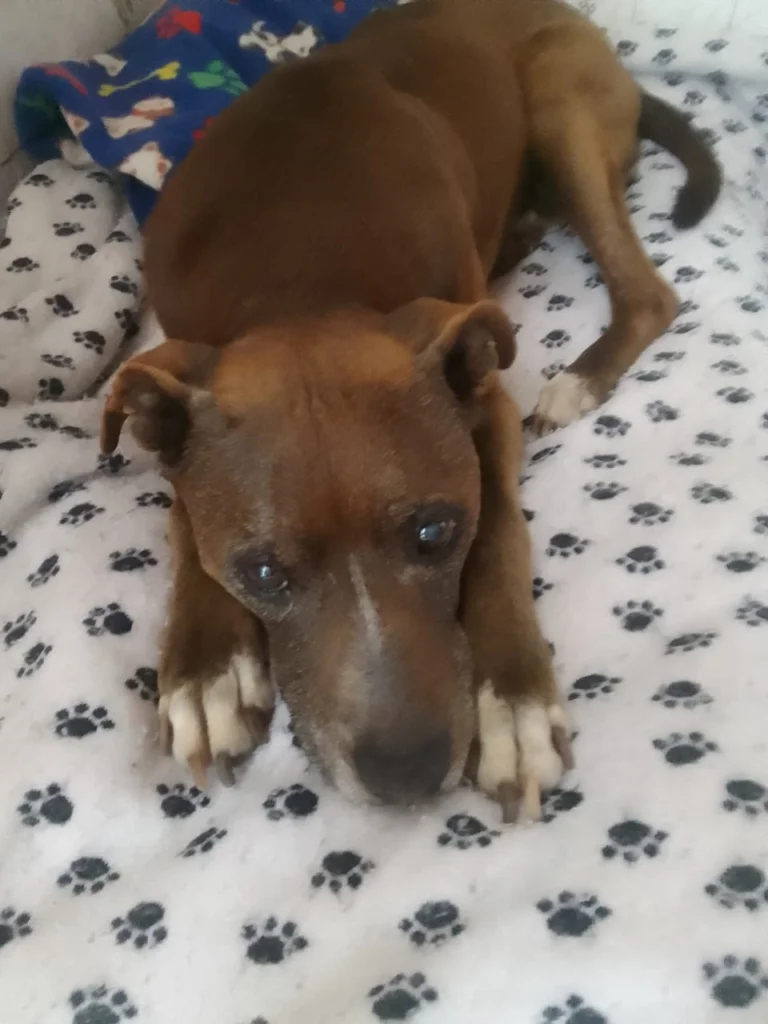
When older dogs feel colder, blankets and covers can help with comfort. In the image, GOE resting protected from the cold.
In many homes, there comes a moment when the guardian notices something subtle: the older dog begins to look for the warmest corner, avoids cold floors, and prefers softer beds. At this stage, a question often appears: do older dogs feel colder?
In general terms, yes. Aging changes the body at different levels — metabolism, muscle mass, circulation, tolerance to discomfort, and the ability to adapt to the environment. The practical result is that, for many animals, the perception of temperature changes with age. And this is not simply a matter of preference: it is physiology.
Understanding why older dogs feel colder helps with what truly matters: adapting the home and routine with simple, consistent, and realistic measures, without exaggeration or improvisation.
What changes in temperature control with age
The dog’s body has thermoregulation mechanisms: it produces heat, conserves heat, and dissipates heat depending on the environment. With aging, these mechanisms may become less efficient. This does not happen in exactly the same way for every dog, but some factors are common:
- Slower metabolism: over the years, energy expenditure tends to decrease and the physiological rhythm changes.
- Gradual loss of muscle mass: muscles participate in body heat production; when they decrease, the body may lose thermal efficiency.
- Less efficient peripheral circulation: extremities and skin may feel temperature variations more intensely.
- Greater impact of the environment: drafts, cold floors, and sudden weather changes can affect comfort more strongly.
For this reason, it is not uncommon that older dogs feel colder in situations that previously caused no discomfort — especially early in the morning, at night, or on humid days.
Some common signs when older dogs feel colder
Behavior often speaks before any theoretical explanation. Some signs are very common in older dogs when temperatures drop:
- seeking sunlight, a sheltered corner, or a warmer room
- preferring to lie on blankets, rugs, or fabrics
- avoiding cold floors and slippery surfaces
- curling the body when sleeping as a strategy to conserve heat
- taking longer to stand up in colder environments
These signs do not necessarily indicate a serious problem. However, they show that the dog may be more sensitive to the climate and that the environment may need adjustments.
Cold weather, mobility, and joints
In senior dogs, cold weather may be directly related to mobility. In many cases, what the guardian perceives as “laziness” is actually stiffness or discomfort intensified by low temperatures. This happens because muscles and joints may respond more poorly to cold, making the body less willing to stand, walk, or maintain posture for long periods.
When older dogs feel colder, it is common for guardians to notice that the animal:
- stands up more slowly
- moves more carefully
- prefers softer surfaces
- seeks rest in protected places
For this reason, thermal comfort and joint comfort go together: warming the environment appropriately often improves rest and reduces unnecessary strain.
Read also this related content → https://logicalbark.com/mobility-and-comfort-for-senior-dogs-goes-experience-%f0%9f%90%be/
How to help in practice when older dogs feel colder
The solution is not excess, but rather creating a simple and predictable comfort system. What works is establishing the essentials and adjusting them according to the climate.
1) Proper bed and floor insulation
A good bed for a senior dog is not only about softness: it is also about thermal insulation. The central point is preventing the body from absorbing cold from the floor. Beds with firmer foam, greater thickness, and bases that reduce heat transfer tend to work better.
If the bed is placed on a very cold floor, using a blanket underneath or positioning the bed on a rug can significantly improve comfort, especially at night.
2) A protected place in the house
If there are drafts, frequently opened doors, or a humid corner, this may not be the best place for the bed. Older dogs tend to benefit from a more stable location — without direct wind and with more predictable temperature.
3) Dog clothing: when it makes sense
Dog clothing can help, as long as it is comfortable, not tight, and does not limit movement. On colder days or in dogs with short coats, it may help maintain body warmth during short walks, rest periods, or transitions.
The most important aspect here is judgment: using clothing when the climate requires it, removing it when the house is warmer, and observing whether the dog accepts it comfortably.
4) Accessible blankets and covers
A simple solution is to keep blankets and covers available in the dog’s resting area. Many dogs choose on their own whether they want to stay more covered or not. This respects individual comfort without forcing anything.
Some guardians also choose padded beds and thermal blankets to increase comfort during colder periods.
Check some options well reviewed by other guardians → https://amzn.to/47eVtSJ
Experience observed with GOE
In routines observed with GOE throughout aging, it became more evident that the body increasingly sought warmth. During colder periods, the preference for padded beds and the use of light dog clothing at specific moments contributed to greater comfort during rest and movement around the house.
This type of adjustment does not require complexity; it requires continuity. Over time, these details become part of well-established daily care.
When closer attention is necessary
It is common that older dogs feel colder, but some signs deserve careful observation and professional evaluation, especially when they appear together:
- frequent trembling not clearly related to the climate
- intense apathy
- weight loss, weakness, or a significant drop in energy
- evident pain or worsening mobility
In such cases, veterinary guidance is essential to evaluate possible clinical conditions that may be affecting tolerance to cold and overall comfort.
Conclusion
What matters most is adapting care according to the situation and during colder seasons, maintaining a balance between environmental temperature and the dog’s perception of cold. Veterinary consultations, attentive observation, and understanding when the dog feels colder help guardians age alongside them while offering the protection they need. There is no better feeling than providing this care.
Disclaimer: This content is for informational purposes only and does not replace evaluation or guidance from a veterinarian.
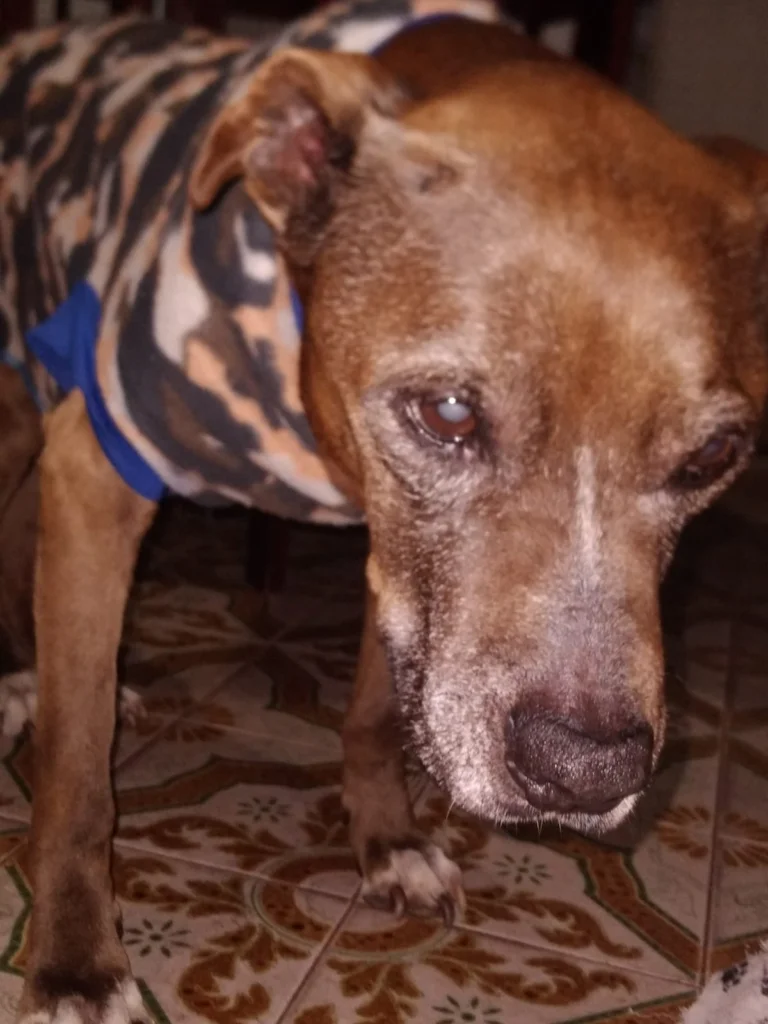
GOE with his favorite clothing
You may also like
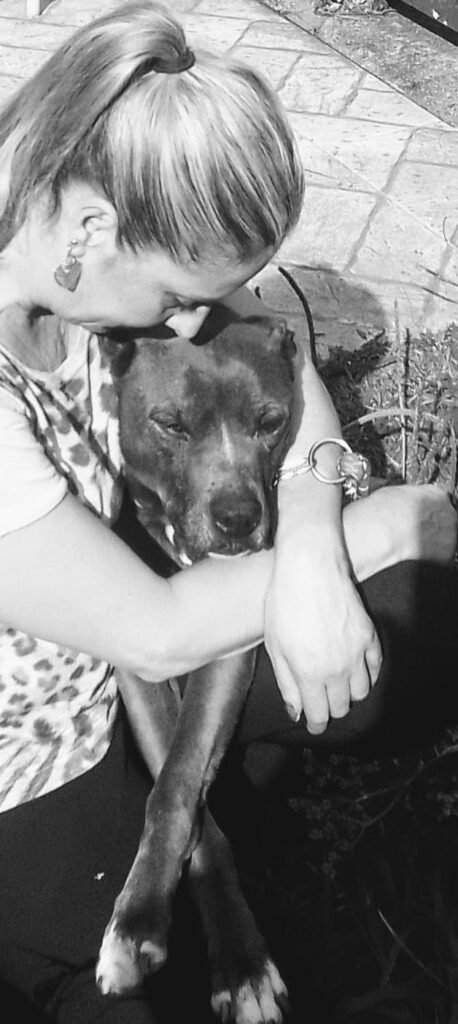

Lusiane Costa is a digital writer with degrees in Marketing and English Literature.
Creator of Latido Lógico and Logical Bark, she develops evidence-based content on canine aging, wellness, and senior-dog health.
The project was inspired by Goe — a senior dog whose longevity and resilience shaped a grounded, compassionate view on the challenges of aging in pets.
Each article reflects her commitment to transforming real experiences into accessible knowledge, helping owners understand, prevent, and care better for their animals at every stage of life.
Goe remains the heartbeat of this project.