
During colder months, many dog owners begin noticing changes in their dogs’ behavior. Some dogs look for blankets, avoid cold floors, curl up more tightly while sleeping, or even start trembling on colder days. This raises a very common question: do dogs need clothes during winter?
The answer depends on several factors. Not all dogs react to cold weather the same way. Breed, age, body size, body fat, coat type, and even humidity levels can influence how sensitive a dog may be to low temperatures.
Although many people associate dog clothes only with appearance, winter clothing can actually provide important thermal comfort for dogs that are more vulnerable to cold weather.
Do dogs get cold?
Yes. Dogs can absolutely feel cold, especially during colder seasons and in regions with lower temperatures. Temperatures below 59°F (15°C) may already cause discomfort for sensitive dogs. Below 50°F (10°C), small dogs, senior dogs, puppies, and short-haired breeds usually become much more sensitive to the cold.
Wind, humidity, and cold floors can also increase thermal discomfort. Even in places without extreme winters, some dogs may still struggle with colder environments.
Which dogs usually need more protection during winter?
The dogs that often need extra warmth include:
- short-haired dogs;
- hairless dogs;
- senior dogs;
- puppies;
- very thin dogs;
- recently groomed dogs;
- small breeds;
- dogs recovering from illness or surgery.
Breeds such as Chihuahuas, Pugs, Greyhounds, Dachshunds, Whippets, and Miniature Pinschers are often more sensitive to cold temperatures. Senior dogs may also have more difficulty regulating body temperature due to aging.
Puppies are especially vulnerable because their bodies are still developing and they lose body heat more easily. Dogs that have recently been shaved or groomed may also become more exposed to cold air and wind.
Dogs with thick coats usually tolerate cold weather better
Some breeds naturally have better protection against low temperatures. Siberian Huskies, Chow Chows, Bernese Mountain Dogs, Akitas, and Saint Bernards have dense double coats that work as natural insulation.
However, this does not mean they should stay exposed to freezing temperatures without proper shelter. Every dog still needs a dry, protected, and comfortable place to rest.
Signs your dog may be cold
Some common signs that a dog may be feeling cold include:
- shivering or trembling;
- cold paws;
- curling up tightly;
- looking for blankets;
- trying to stay close to people;
- lower energy levels;
- sleeping more than usual;
- seeking warmer places;
- discomfort walking on cold floors.
Some dogs may also avoid going outside during colder days or spend more time sleeping in warmer areas of the house.
Should every dog wear clothes?
No. Some dogs simply do not enjoy wearing clothes and may feel uncomfortable in certain fabrics or tighter outfits. In some situations, inappropriate clothing may even cause irritation, overheating, or movement restriction.
Dogs with very thick coats or breeds naturally adapted to colder climates may not need winter clothes indoors if the environment is already warm and protected.
The main goal of dog clothing should always be comfort and thermal protection, not only appearance.
Some dogs dislike wearing clothes
This is very common. Some dogs feel restricted by heavier fabrics or tighter outfits. Others may freeze in place, try to remove the clothing, or become irritated.
Because of this, adaptation should happen gradually. Lightweight and comfortable clothes are usually the best starting point.
If a dog shows intense discomfort, tries to bite the clothing, or completely changes behavior while wearing it, it may be better to remove the outfit and focus on other warming options instead.
Best materials for dog winter clothes
The material makes a huge difference in comfort. Some of the best fabrics for dog winter clothing include:
- fleece;
- soft thermal fabric;
- soft cotton;
- lightweight sweatshirt fabric;
- comfortable thermal materials.
These materials usually help maintain warmth without limiting movement or causing irritation. Very rough fabrics, heavy outfits, or clothing with too many accessories may bother some dogs.
To better understand the different winter clothing options and materials available, it may be helpful to look at some well-reviewed dog sweaters and jackets, especially for small dogs, senior dogs, and dogs more sensitive to cold weather.https://amzn.to/4dgjQ4I
How to choose comfortable winter clothes for dogs
When choosing winter clothes for dogs, it is important to pay attention to a few details:
- the clothing should not be tight;
- the dog should move comfortably;
- the paws should remain free;
- the neck should not feel restricted;
- the fabric should allow ventilation;
- the outfit should be easy to put on and remove;
- the size should match the dog properly.
It is also important to observe your dog’s reaction after putting the clothes on. Some dogs adapt quickly, while others prefer blankets and warm resting areas instead.
When winter clothes may not be recommended
Winter clothes may not be ideal for dogs with skin allergies, wounds, excessive itching, overheating, or severe discomfort while wearing fabric. Dogs with very dense coats may also become too warm if overdressed.
On milder days, it may be beneficial to remove clothing for part of the day to allow the skin and coat to breathe properly.
Warm environments also make a difference
Many dogs feel colder when sleeping directly on cold floors or in humid places. Besides winter clothing, other measures can improve comfort during colder seasons:
- elevated dog beds;
- blankets;
- warm bedding;
- wind-protected environments;
- dry resting areas;
- rugs and carpets;
- extra warmth during nighttime.
These precautions can make a significant difference, especially for senior dogs and dogs more sensitive to low temperatures.
To deepen your understanding of this topic, also check out this related post.:https://logicalbark.com/beds-for-senior-dogs-why-does-rest-make-such-a-difference-in-quality-of-life/
Conclusion
Just like humans, dogs can struggle with colder temperatures. Paying attention to your dog’s behavior, understanding breed characteristics, and offering proper thermal comfort can greatly improve well-being during winter.
Some dogs truly benefit from winter clothes and extra warmth, while others adapt better with cozy bedding and protected indoor environments. The most important thing is observing your dog carefully and recognizing when cold weather starts affecting comfort and qualit
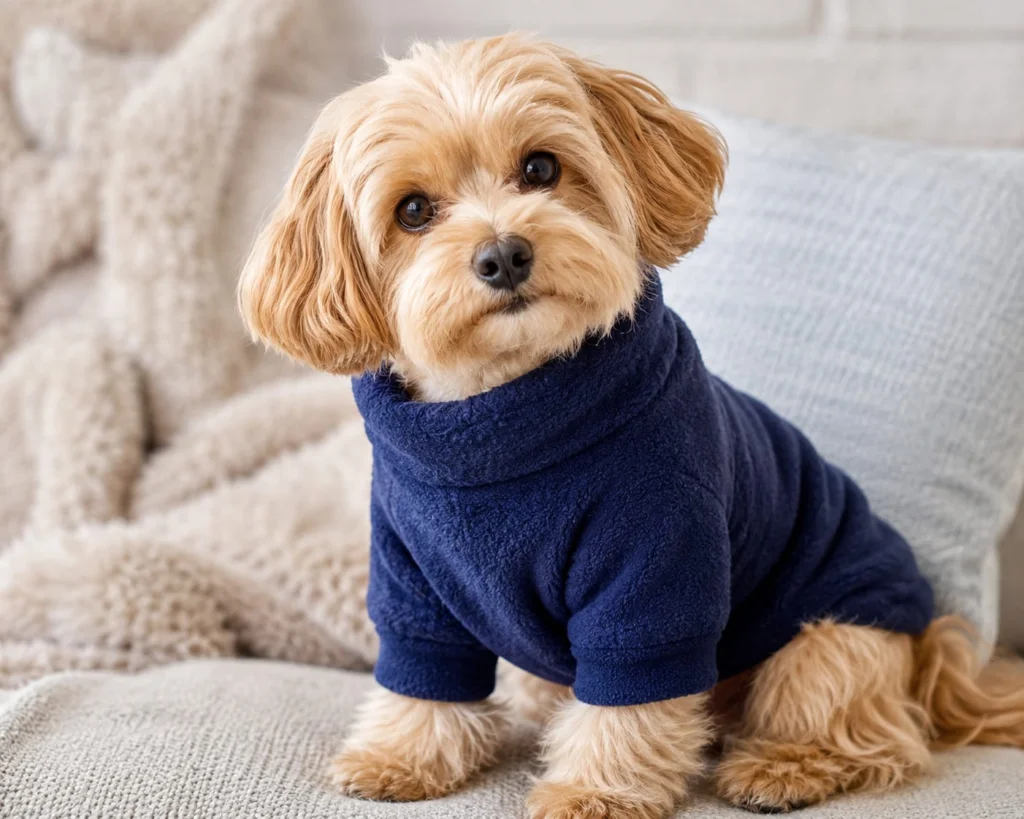
Cold weather can affect small dogs more intensely, especially puppies, senior dogs, and breeds with short coats.

Lusiane Costa is a digital writer with degrees in Marketing and English Literature.
Creator of Latido Lógico and Logical Bark, she develops evidence-based content on canine aging, wellness, and senior-dog health.
The project was inspired by Goe — a senior dog whose longevity and resilience shaped a grounded, compassionate view on the challenges of aging in pets.
Each article reflects her commitment to transforming real experiences into accessible knowledge, helping owners understand, prevent, and care better for their animals at every stage of life.
Goe remains the heartbeat of this project.