
Monitoring diabetes in senior dogs at home by the owner
As dogs age, natural changes occur in their bodies, and understanding these transformations is essential to provide care with greater safety, attention, and balance. With advancing age, metabolism slows down, the pancreas may struggle to produce sufficient insulin, and the body begins to respond differently to diet, stress, and even daily routines.
For this reason, diabetes has become one of the most common chronic diseases in senior dogs—especially those with a history of overweight, low physical activity, or genetic predisposition. The earlier an owner learns to recognize subtle signs, measure glucose levels correctly, and adjust daily habits, the greater the chances of ensuring well-being, longevity, and quality of life for a senior dog, even when living with the condition.
Diabetes in Senior Dogs: How to Measure, Prevent, and Manage Safely
Just as in humans, diabetes can also affect senior dogs, particularly those with genetic predisposition, hormonal imbalances, or excess weight. It is a chronic condition that requires attention, monitoring, and continuous care.
Understanding the signs, knowing how to measure blood glucose levels, and acting preventively can make a significant difference in a senior dog’s quality of life.
When identified early, diabetes can be managed through dietary adjustments, daily habit changes, appropriate supplementation, and consistent veterinary follow-up.
Why Is Diabetes More Common in Senior Dogs?
Natural aging leads to changes in metabolism, insulin resistance, and nutrient absorption. Over time, some dogs develop difficulty regulating blood glucose levels.
Risk factors include:
- Lifelong overweight or obesity;
- Endocrine disorders, such as hypothyroidism or Cushing’s syndrome;
- Family history;
- Sedentary lifestyle and unbalanced diet;
- Hormonal changes associated with aging.
These conditions can compromise pancreatic function, making insulin production or utilization less effective.
Key Warning Signs
Diabetes in dogs does not always present clear symptoms at the beginning. Therefore, owners should remain attentive to subtle behavioral changes.
Common signs include:
- Increased thirst and more frequent urination;
- Excessive appetite, even with weight loss;
- Fatigue and apathy, with reduced willingness to walk or play;
- Dull coat and more sensitive skin;
- Changes in vision or early cataract development;
- Greater susceptibility to skin, ear, or oral infections.
In more advanced stages, dogs may show disorientation, tremors, and difficulty maintaining a stable routine.
How to Measure Blood Glucose Levels
Measurement is one of the most important steps in caring for a dog with diabetes. A veterinarian may request:
- Fasting blood glucose testing;
- A glucose curve to track sugar levels throughout the day;
- Urinalysis to assess the presence of glucose and ketone bodies;
- Clinical and behavioral evaluation based on the owner’s observations.
Today, there are devices that allow blood glucose monitoring at home, similar to those used by humans. However, they should only be used under veterinary guidance, both regarding sample collection and interpretation of results.
Veterinary-specific kits designed for dogs and cats already exist, with animal-calibrated systems and components such as lancets, test strips, and coded chips. They are accurate but often expensive and not always easy to find in Brazil.
For this reason, many owners, under veterinary supervision, use adapted human glucometers—provided they are properly calibrated and used with professional guidance.
Product recommended in this article: https://amzn.to/4pJ3Mxj
Other useful items for a diabetic dog’s daily routine: https://amzn.to/3MHePst
Essential Daily Care
Managing diabetes in senior dogs involves an integrated set of actions, including:
- Adjusted diet: specialized food for diabetic dogs or a natural diet formulated by a veterinary nutritionist;
- Balanced routine: regular feeding times, gentle walks, and a calm environment;
- Insulin use (when necessary): administered exactly as prescribed by the veterinarian;
- Adequate hydration: fresh, clean water available at all times;
- Attention to eyes, skin, and joints: diabetes can affect multiple body systems.
Learn more: https://logicalbark.com/hydration-in-senior-dogs-goes-70-sips-%f0%9f%90%be/
Water intake plays a critical role in diabetes management.
The Experience with GOE
Although GOE never had diabetes, closely monitoring his health over the years demonstrated how important it is for owners to notice subtle changes before any obvious signs appear.
Fatigue, altered sleep patterns, appetite changes, and small behavioral shifts can be meaningful indicators.
Living alongside a senior dog reinforced the understanding that prevention is always safer than intervention—especially when dealing with chronic conditions.
Even when diabetes is not present, learning about symptoms, diagnostic tests, and necessary care helps owners act more confidently if suspicion ever arises.
Prevention Tips
Even if your dog shows no signs of diabetes, it is possible to adopt preventive habits throughout life:
- Maintain an appropriate weight and avoid continuous weight gain;
- Offer a balanced diet, limiting excessive simple carbohydrates;
- Encourage light physical activity compatible with age;
- Schedule regular veterinary check-ups, especially during senior years;
- Observe daily behavior and record persistent changes.
Conclusion
Diabetes in senior dogs requires attention, routine, and an understanding of the animal’s specific needs.
When owners learn to recognize signs, measure glucose levels with professional guidance, and adapt daily habits, it is possible to provide greater comfort, safety, and well-being—without losing the ease of everyday coexistence.
Although GOE never developed diabetes, closely following his health over the years reinforced that monitoring early signs is a fundamental part of prevention.
Observing behavior, diet, hydration, and small daily changes is an act of responsibility that can help prevent future complications.
At Latido Lógico, we believe that every evaluation, every adjustment, and every carefully considered decision contributes to a healthier, safer, and more dignified routine for senior dogs.
Understanding, observing, and caring—that is the path.

Rest, routine, and care — representation of diabetes management in senior dogs with a balanced life.
Recommended for you
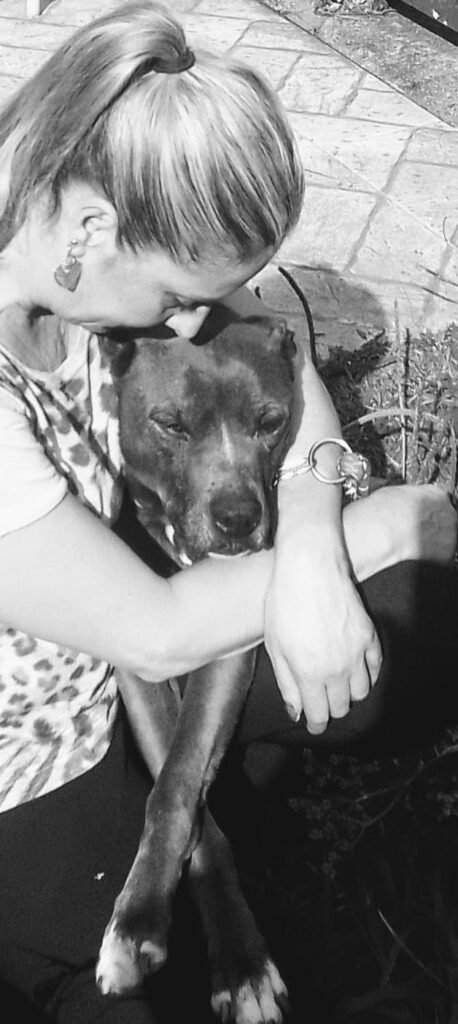

Lusiane Costa is a digital writer with degrees in Marketing and English Literature.
Creator of Latido Lógico and Logical Bark, she develops evidence-based content on canine aging, wellness, and senior-dog health.
The project was inspired by Goe — a senior dog whose longevity and resilience shaped a grounded, compassionate view on the challenges of aging in pets.
Each article reflects her commitment to transforming real experiences into accessible knowledge, helping owners understand, prevent, and care better for their animals at every stage of life.
Goe remains the heartbeat of this project.