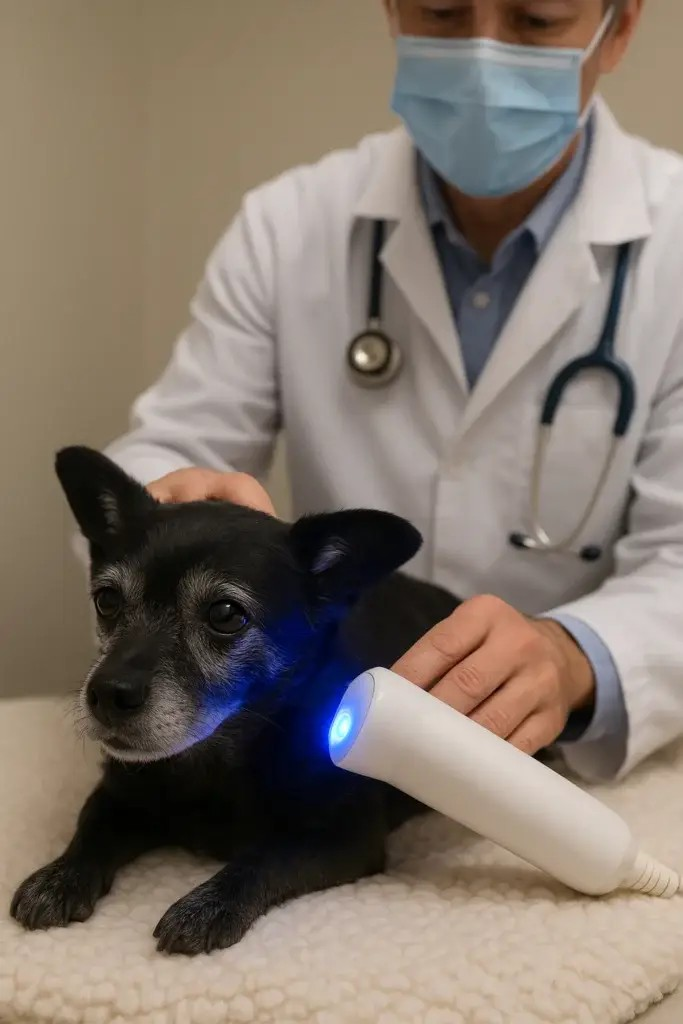
Chromotherapy in senior dogs: therapeutic light for muscle relaxation
Chromotherapy in senior dogs has gained attention as a complementary approach to animal well-being, especially in contexts involving chronic pain, muscle stiffness, and advanced stages of sarcopenia. Although it does not replace conventional veterinary treatments, this technique can offer gentle relief and gradual improvements, contributing to more comprehensive care. In dogs that spend many hours lying down and experience loss of strength, therapeutic light serves as an additional resource for relaxation, stimulation, and comfort.
On days when the body no longer responds with the same agility, complementary therapies can make a difference. They do not solve everything — but they can help reduce tension, modulate unpleasant sensations, and facilitate small movements that are part of a senior dog’s daily routine.
Below, I explain what chromotherapy is, how it works in dogs, and how it was applied in the care of Goe during his advanced sarcopenia stage.
What is chromotherapy in senior dogs?
Chromotherapy is a technique that uses light frequencies to stimulate subtle biological responses in the body. Each color corresponds to a specific wavelength, capable of producing distinct physiological effects — such as muscle relaxation, circulatory stimulation, or a sense of comfort.
In senior dogs, chromotherapy is commonly applied to:
- relieve muscular discomfort;
- reduce accumulated stiffness or tension;
- improve local circulation;
- promote deeper relaxation;
- complement other forms of daily care.
This is not a standalone treatment. It is a complementary tool that should be conducted by trained professionals and aligned with the veterinary team responsible for the animal.
How does chromotherapy work in practice?
The application is simple: a specific LED light is directed at areas that require stimulation, such as the spine, hips, or compromised muscle regions. Sessions are short, painless, and performed while the dog remains comfortably lying down.
The goal is not to “solve” a complex condition, but to provide physical and sensory support. As a result, many dogs show:
- slight improvement in mobility after the session;
- release of muscle tension;
- calmer breathing;
- bodily responses associated with relief, such as stretching or relaxation.
Chromotherapy and sarcopenia: why can it help?
Sarcopenia — the progressive loss of muscle mass and strength — is common in very senior dogs or those who have experienced long periods of immobility. When advanced, it limits simple movements, compromises posture, and makes the body more vulnerable to pain and fatigue.
In these cases, chromotherapy may help because it:
- supports microcirculation;
- reduces minor accumulated tension in overloaded areas;
- helps the body respond slightly better to position changes;
- offers immediate comfort after application.
The technique does not reverse sarcopenia, but it complements daily care and contributes to small functional improvements.
Learn more in this related article → https://logicalbark.com/has-canine-sarcopenia-affected-your-dog-understanding-how-muscle-loss-changes-daily-life-and-care/
How chromotherapy was applied in Goe’s care
Due to advanced sarcopenia and the prolonged time Goe spent lying down, chromotherapy was introduced as a complementary resource in his care routine. Blue light was applied along the spine with gentle movements, while he remained comfortably positioned.
Shortly after the session, there was a slight improvement in muscle relaxation — a common response in senior dogs receiving this type of stimulus. The goal was to provide well-being within existing limitations and offer brief moments of comfort.
This account does not replace veterinary guidance; it merely describes a real application of a complementary technique integrated into overall care.
Does chromotherapy replace other treatments?
No. It complements them.
Chromotherapy acts as supportive care, not as an isolated solution. It should always be used in conjunction with:
- veterinary guidance;
- appropriate environmental management;
- daily care routines;
- continuous observation of the senior dog’s condition.
In many cases, chromotherapy integrates into a broader plan that may include physical therapy, medication, supplementation, and routine adjustments to protect joints and reduce discomfort.
Explore this topic further → https://logicalbark.com/mobility-and-comfort-for-senior-dogs-goes-experience-%f0%9f%90%be/
When should you consider chromotherapy for your senior dog?
You may discuss this option with a specialized veterinarian if you notice:
- persistent stiffness;
- discomfort when standing up;
- signs of tension when touched;
- significant muscle loss;
- long periods of immobility;
- the need for supportive relaxation therapies.
Senior dogs with chronic conditions, mobility limitations, and moderate pain may also benefit from a protocol that includes chromotherapy.
Nutritional support for joint comfort
Omega-3 is widely used by veterinarians to reduce inflammation and improve joint comfort in senior dogs.
Learn about a supplement that supports joint protection ➜ https://amzn.to/4jtpW4o
Conclusion
Chromotherapy is a complementary resource that can offer comfort, relieve tension, and improve the well-being of senior dogs — especially those with advanced sarcopenia or mobility limitations. It is not a miracle therapy, but rather an additional tool within a thoughtful, structured approach to senior care.
For some dogs, like Goe, even small responses after a session can mean a lot: a body that relaxes, breathing that softens, a brief moment of relief that truly makes a difference.
Integrating complementary therapies responsibly and with professional guidance is a way to provide senior dogs with more complete, respectful, and carefully planned care for this stage of life.
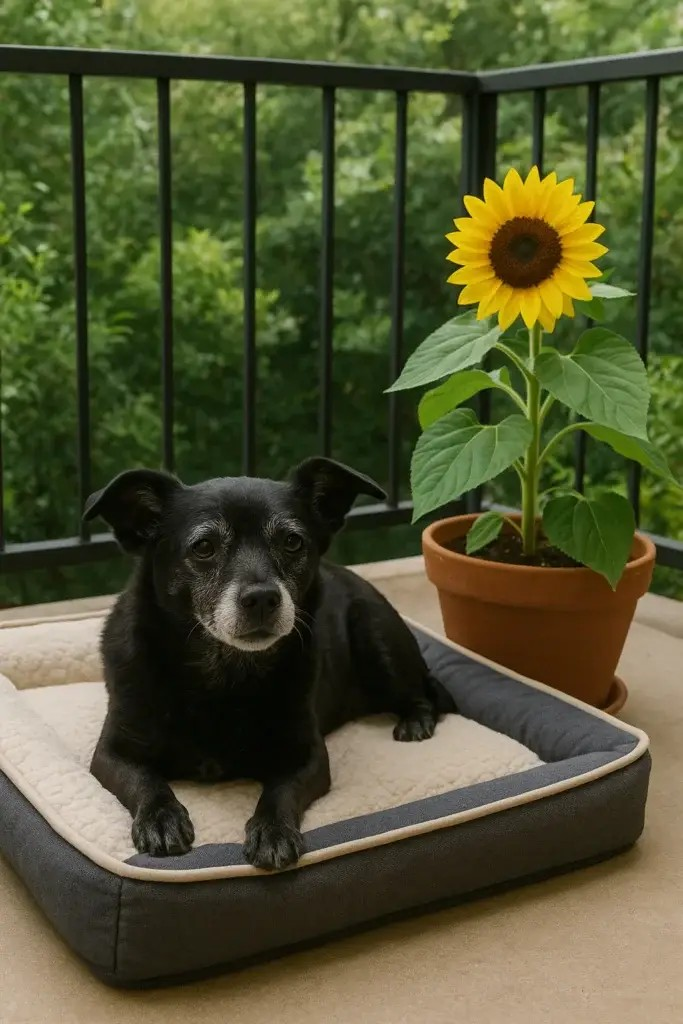
Serene rest after treatment for senior dogs
You may also like

Lusiane Costa is a digital writer with degrees in Marketing and English Literature.
Creator of Latido Lógico and Logical Bark, she develops evidence-based content on canine aging, wellness, and senior-dog health.
The project was inspired by Goe — a senior dog whose longevity and resilience shaped a grounded, compassionate view on the challenges of aging in pets.
Each article reflects her commitment to transforming real experiences into accessible knowledge, helping owners understand, prevent, and care better for their animals at every stage of life.
Goe remains the heartbeat of this project.