February 19, 2026

Beds for Senior Dogs: Proper Support for Rest, Mobility, and Joint Comfort
As dogs age, physical and functional changes become part of daily life. The gradual loss of muscle mass, joint wear, reduced flexibility, and increased sensitivity to pain profoundly alter how the body responds to movement and rest. In this context, an often underestimated aspect gains central relevance: the bed for senior dogs.
This is not just about comfort. The place where a dog rests directly influences joint health, sleep quality, muscle recovery, and even daily behavior. Therefore, the question is legitimate and necessary: why does rest make such a difference in the lives of senior dogs?
Canine Aging and the Impact of Inadequate Rest
With advancing age, a dog’s body begins to deal with more persistent inflammatory processes, reduced tissue regeneration capacity, and greater joint stiffness. Sleeping on hard, uneven, or poorly adapted surfaces can worsen this condition, intensifying pain, discomfort, and mobility difficulties.
It is common to observe senior dogs that take longer to get up, avoid changing positions during sleep, or show resistance to lying down. Often, these signs are not associated solely with age itself, but with the accumulation of joint and muscle microtraumas caused by inadequate rest over time.
Beds for Senior Dogs Are Not Accessories: They Are Functional Support
A well-chosen bed for senior dogs acts as an element of physical support. It distributes body weight more evenly, reduces pressure points on sensitive joints, and promotes proper spinal alignment during rest. This support is especially important for dogs with a history of osteoarthritis, hip dysplasia, lumbar stiffness, or chronic inflammatory conditions.
In addition, proper rest contributes to the reduction of systemic inflammation. During sleep, the body carries out cellular repair processes, immune modulation, and muscle recovery. When rest is interrupted or uncomfortable, these processes become less efficient.
See recommended beds for senior dogs, focusing on joint support, spinal alignment, and pressure point reduction: https://amzn.to/473amHF
See recommendations for elevated beds for senior dogs, when ventilation and structural support are part of functional rest: https://amzn.to/46Dk0AT
Height, Firmness, and Accessibility: Essential Criteria When Choosing a Bed
One of the most common mistakes when selecting a bed for senior dogs is prioritizing only size or aesthetics. At this stage of life, other criteria become fundamental:
- Low height: beds that are too high make access difficult and require excessive joint effort when climbing up or down.
- Balanced firmness: overly soft surfaces cause the body to sink, making movement difficult; rigid surfaces increase pressure points.
- Stability: the bed should not slide or deform easily.
- Ease of cleaning: senior dogs may experience urinary or digestive changes, making hygiene an important factor.
When combined, these elements reduce daily physical strain and contribute to greater autonomy for senior dogs.
The Role of the Bed in Joint and Muscle Health
The joints of senior dogs already deal with accumulated wear. Sleeping on inadequate surfaces can increase stiffness upon waking, prolong the time needed to “warm up” the body, and intensify pain throughout the day. An appropriate bed helps keep muscles relaxed and joints less overloaded.
See another useful article →https://logicalbark.com/natural-supplements-to-strengthen-senior-dogs-joints/
In practice, attentive guardians often notice that dogs who start sleeping on appropriate beds show greater willingness for short walks, less resistance to movement, and fewer episodes of discomfort after long periods of rest.
Rest, Deep Sleep, and Behavior
The impact of a bed for senior dogs is not limited to the body. Fragmented sleep, common when rest is uncomfortable, affects mood, stimulus tolerance, and even interactions with people and other animals. Senior dogs who sleep poorly tend to become more irritable, apathetic, or restless.
By offering a stable and comfortable resting place, the guardian supports deeper and more restorative sleep cycles, which is reflected in better behavioral balance and overall well-being.
The Latido Lógico Experience: Beds That Adapt Throughout Life
At Latido Lógico, practical experience has shown that, after a certain age, dogs clearly benefit from adaptable beds. This is not about changing the bed only when discomfort becomes evident, but about anticipating needs that arise with aging.
Over time, we observed that adapting the resting area directly impacts the dog’s routine. Lower beds with proper support, positioned strategically around the house, facilitate movement, reduce joint strain, and provide greater security.
It also became evident that the bed influences other aspects of health. Joint, inflammatory, and even digestive processes respond better when the body can rest properly. Quality rest acts as a silent yet decisive element in comprehensive senior dog care.
Rest as Part of Conscious Care
When thinking about canine aging, it is common to focus on supplements, medications, or specific nutrition. All of these factors are important, but the resting environment is often neglected. However, a bed for senior dogs is an essential part of this equation.
It does not, by itself, solve joint problems or diseases associated with age. But it provides daily, continuous, and cumulative support, helping the body cope better with the challenges of aging.
Final Considerations
Answering the question “why does rest make such a difference?” means recognizing that aging requires not only occasional interventions, but adjustments in routine and environment. A bed for senior dogs stops being an accessory and takes on the role of a care tool.
When chosen consciously—respecting joint limitations, appropriate height, and the need for support—it contributes to comfort, autonomy, and quality of life. At Latido Lógico, experience has shown that caring for rest is caring for the whole body—and that, often, small changes in the environment make a big difference over time.
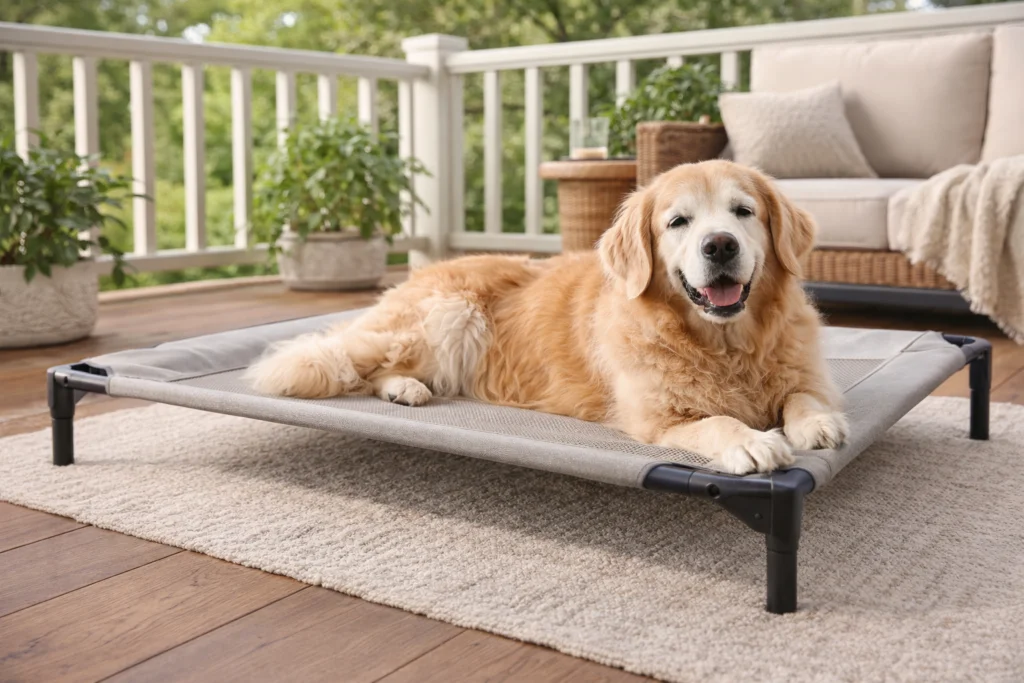
Beds for Senior Dogs: When Ventilation and Support Are Also Part of Functional Rest
You may also like
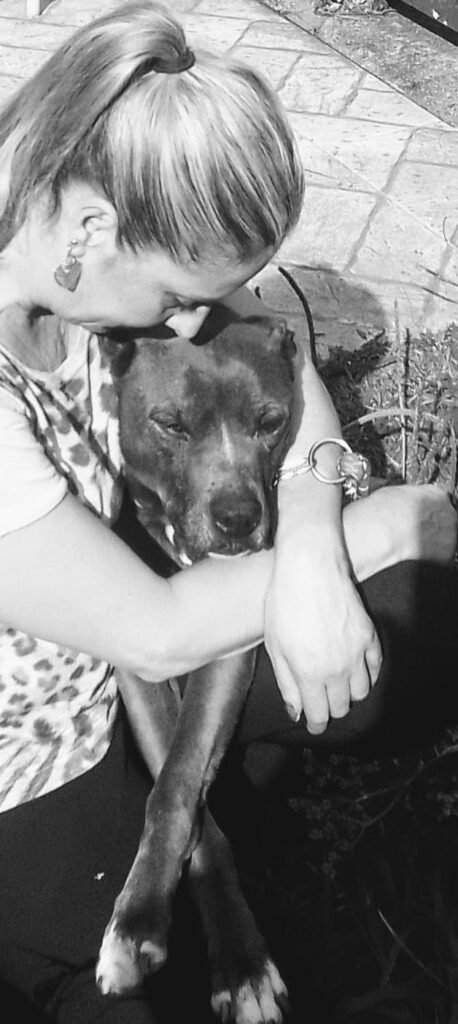

Lusiane Costa is a digital writer with degrees in Marketing and English Literature.
Creator of Latido Lógico and Logical Bark, she develops evidence-based content on canine aging, wellness, and senior-dog health.
The project was inspired by Goe — a senior dog whose longevity and resilience shaped a grounded, compassionate view on the challenges of aging in pets.
Each article reflects her commitment to transforming real experiences into accessible knowledge, helping owners understand, prevent, and care better for their animals at every stage of life.
Goe remains the heartbeat of this project.