March 20, 2026
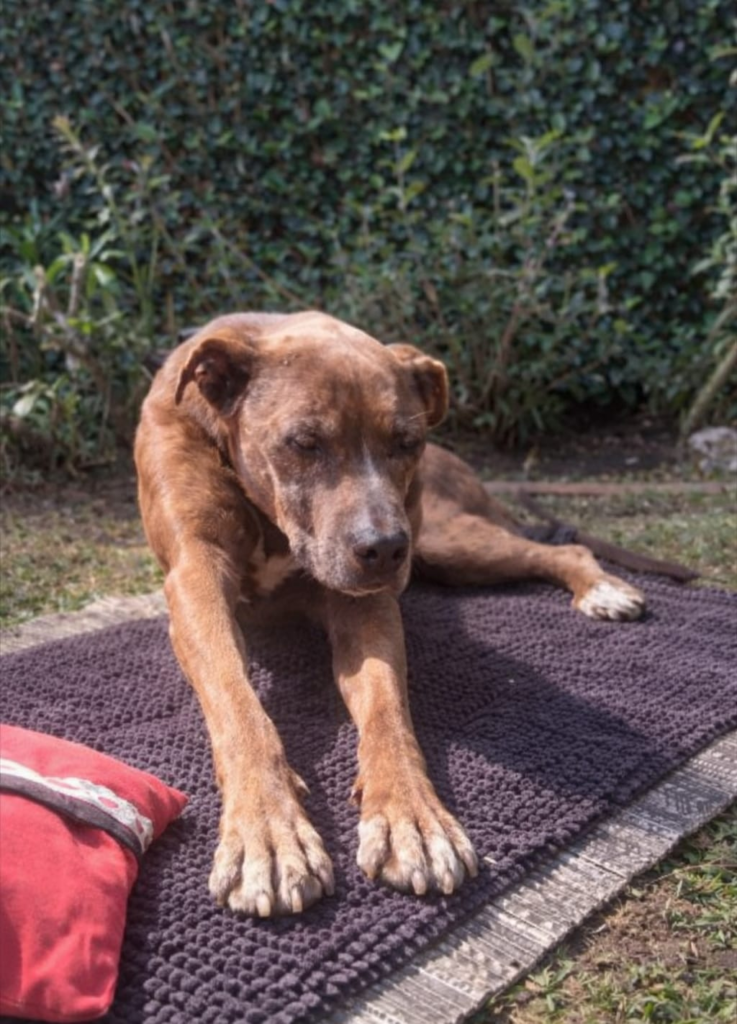
Stretching the front legs when getting up is one of the signs of aging in dogs that can appear subtly in the daily routine.
Aging in dogs does not always appear in an obvious way. Unlike what many owners imagine, the first signs rarely show up as clear illnesses or sudden changes. In most cases, the aging process begins with small changes in behavior, in the way the dog moves, and in its daily routine.
These changes can go unnoticed for a long time. A dog may begin sleeping in different places around the house, getting up more slowly after resting, or walking at a slower pace. These are subtle changes, but they indicate that the body is going through natural transformations associated with age.
Observing these details is important because it helps the owner better understand the aging process and adapt the dog’s routine in order to offer more comfort and quality of life over the years.
1. Getting up more slowly after resting
One of the signs of aging in dogs that many owners begin to notice over time is a change in the way the dog gets up after periods of rest.
When they are young, dogs usually get up quickly. As the years go by, however, this movement may become more gradual. Many dogs begin by moving their front legs first, making a small stretch before fully supporting the rest of the body.
In routines observed with GOE, a medium-to-large pit bull, this movement was quite evident. Before getting up completely, he would usually stretch his front legs first, as if he were doing a gentle stretch, and only then lift the rest of his body.
This behavior does not necessarily mean pain. In many cases, it is simply a natural adaptation of the body. With aging, joints and muscles may become stiffer after periods of rest, and this small stretch helps the dog prepare for movement.
2. Changes in the places where the dog prefers to sleep
Another relatively common behavior in senior dogs is a change in the places where the dog prefers to rest.
Younger dogs usually choose one or two favorite places in the house and keep that preference for a long time. Older dogs, however, may begin alternating between different areas throughout the day.
Some start looking for softer surfaces, such as rugs or sofas. Others prefer cooler areas of the floor, especially on warmer days. This alternation is often related to physical comfort and to the body’s attempt to find positions that relieve mild muscular or joint tension.
For this reason, when an owner notices that the dog has started changing sleeping spots more frequently, this may simply be a natural way for the body to seek greater comfort.
3. Walking more slowly
A change in walking pace may also be one of the signs of aging in dogs.
Many senior dogs remain active and interested in walks, but they begin to move more calmly. The owner may notice shorter steps, pauses during the walk, or a reduction in the usual pace.
This change happens because the body begins to conserve energy and protect the joints. Movements that were once done quickly begin to be performed with more caution.
In some cases, the dog may also show greater care when going up or down small uneven surfaces, such as steps or irregular flooring.
4. Sleeping more throughout the day
Another one of the signs of aging in dogs is the increase in resting time throughout the day.
As dogs grow older, their metabolism changes and the body begins to need longer recovery periods. This causes many senior dogs to spend more time sleeping or resting.
This behavior should not automatically be interpreted as a lack of interest in life. In most cases, it is simply a natural adaptation of the body.
Even while sleeping more, many dogs continue to show interest in interaction, walks, and moments of companionship with the family.
5. Small changes in appetite
Subtle changes in eating behavior may also appear with aging.
Some dogs begin eating more slowly or show a preference for certain foods. Others may alternate between days of greater or lesser interest in food.
These changes usually happen gradually and are part of the body’s natural adaptation process over the years.
For this reason, observing eating behavior over time can help the owner better understand the needs of a senior dog.
See this related article → https://logicalbark.com/what-fruits-can-dogs-eat-a-safe-guide-to-including-fruit-in-your-dogs-diet/
Conclusion
The signs of aging in dogs do not always appear clearly or immediately. Most of the time, they show up in small details of everyday behavior.
Changes in the way a dog gets up, in preferred resting places, in walking pace, or in sleeping patterns may indicate that the dog is entering a more mature stage of life.
Observing these changes carefully allows the owner to adapt the dog’s routine, provide more comfortable environments, and respect the natural rhythm that comes with aging.
Some owners like to offer orthopedic beds for senior dogs, which help reduce pressure on the joints and make rest more comfortable. See some highly rated options that may help improve your senior dog’s comfort: https://amzn.to/3PPNmGh
With care, observation, and affection, it is possible to provide a long and balanced life for a dog, valuing each stage of its journey.
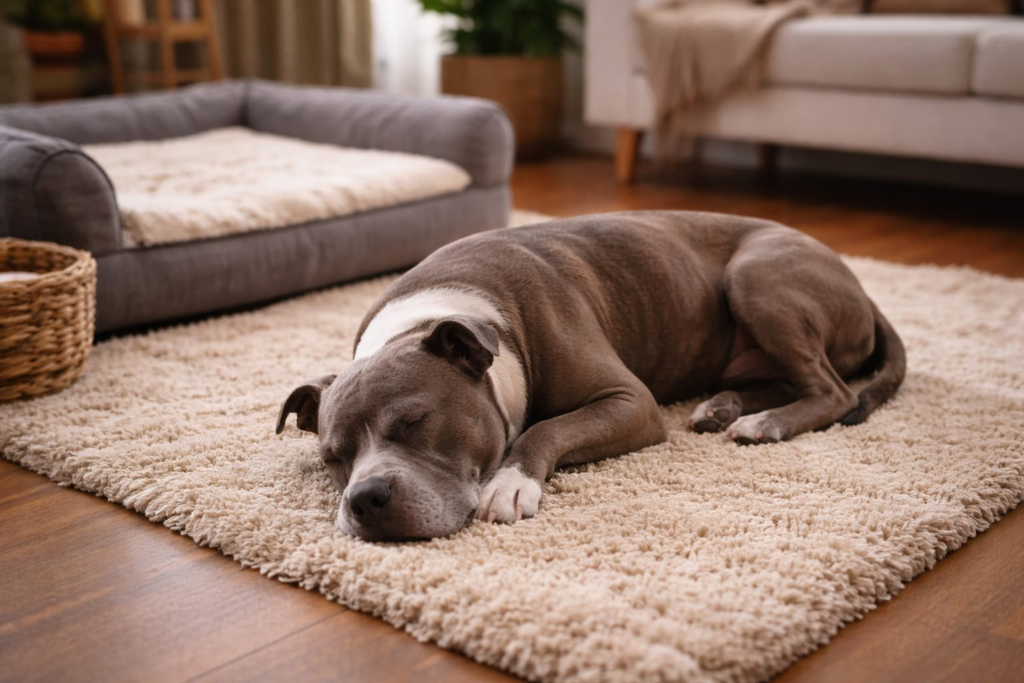
Changes in the place where the dog prefers to rest may be one of the signs of aging in dogs that many owners begin to notice over time.
You may also like

Lusiane Costa is a digital writer with degrees in Marketing and English Literature.
Creator of Latido Lógico and Logical Bark, she develops evidence-based content on canine aging, wellness, and senior-dog health.
The project was inspired by Goe — a senior dog whose longevity and resilience shaped a grounded, compassionate view on the challenges of aging in pets.
Each article reflects her commitment to transforming real experiences into accessible knowledge, helping owners understand, prevent, and care better for their animals at every stage of life.
Goe remains the heartbeat of this project.